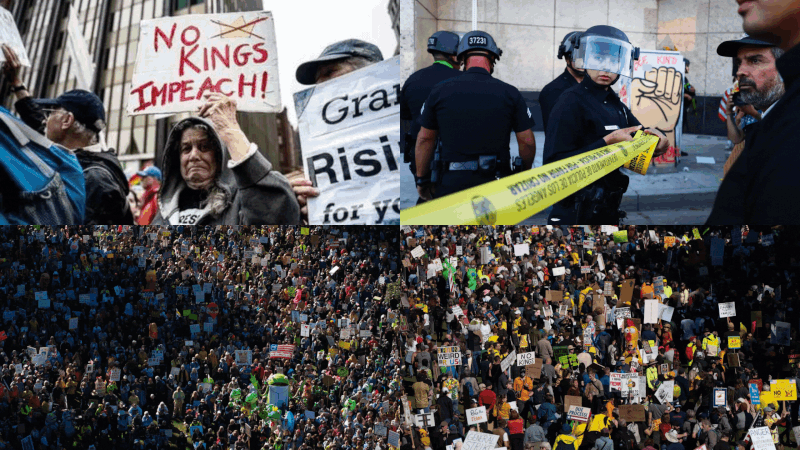
In an unprecedented wave of coordinated dissent, the “No Kings” Protests unfolded across all 50 U.S. states on Saturday, October 18, as hundreds of thousands of Americans rallied against what they see as an authoritarian drift under former President Donald Trump’s current administration.
Organizers reported more than 2,600 separate rallies, ranging from bustling metropolises like New York City and Chicago to smaller towns across the American heartland. Demonstrators from all walks of life marched with handmade signs and creative props, chanting slogans like “Democracy Not Monarchy”, “The Constitution Is Not Optional,” and the movement’s namesake, “We Have No Kings.”
A Stand Against “Un-American Power”
The protests were triggered by growing concerns over Trump’s sweeping use of executive powers, including the deployment of federal forces in U.S. cities, strict immigration enforcement policies, and a prolonged government shutdown that has disrupted federal services and angered the public.
The slogan “No Kings” is a pointed rebuke of what critics describe as Trump’s “sovereign-like” behavior portraying himself as a ruler rather than an accountable leader in a constitutional republic.
“We’re out here because power in a democracy comes from the people not from one man,” said Julia Moore, a teacher from Des Moines who attended one of the rallies.
From Protest Signs to Giant Puppets
The tone of the protests varied from solemn to creative. Many participants brought symbolic items:
- A group in San Francisco marched with a giant inflatable crown reading “This Doesn’t Belong to You.”
- In Austin, activists staged a mock “coronation” of a statue symbolizing democracy then removed its crown.
Families, veterans, college students, and retirees were all among the crowds, in what many observers described as one of the largest acts of non-violent civil resistance in recent memory.
Political Fallout & Trump’s Response
Trump allies condemned the movement, labeling it divisive and accusing its leaders of radical ties. One campaign advisor called the marches “hate America rallies.” Trump, in an interview following the protests, responded:
“I’m not a king. That’s nonsense,” he said. “This is just the deep state and the usual suspects trying to stop us from fixing the country.”
The administration has so far declined to address specific policy grievances raised by the protesters.
Peaceful Turnout Amid High Alert
Despite the scale of the movement, no major incidents of violence or mass arrests have been reported. However, local authorities in several states had placed law enforcement on alert, and National Guard units were on standby in case of escalation a precaution that, fortunately, proved unnecessary.
What Comes Next?
Organizers say this is just the beginning. The protests are part of a longer-term campaign to mobilize voters, increase civic engagement, and resist democratic backsliding.
“We showed up today to remind everyone: democracy doesn’t defend itself,” said Jamal Rodriguez, an organizer from Detroit. “We’ll be back.”