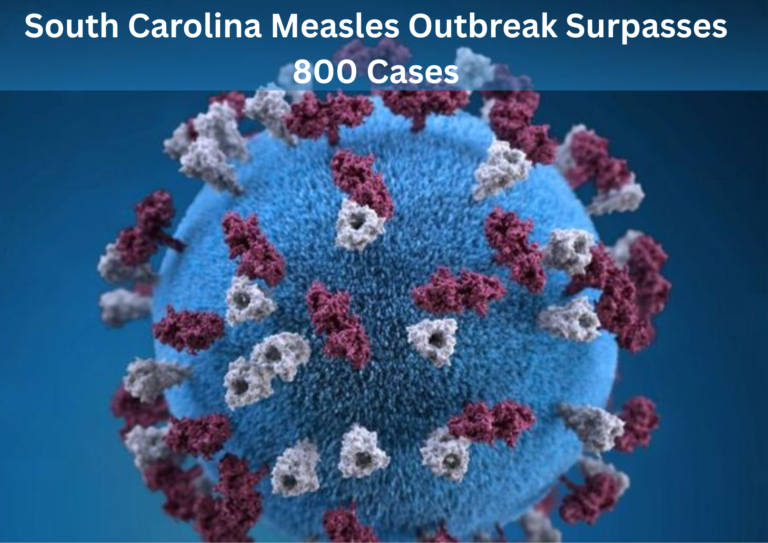
The United States is facing the prospect of losing its measles elimination status for the first time in nearly 25 years, as a wave of linked outbreaks spreads across multiple states. Public health officials warn that if continuous transmission continues into the second quarter of 2025, the nation may no longer be classified as having eliminated the virus – a milestone first achieved in 2000.
Linked Outbreaks Signal Sustained Transmission
Experts from the Centers for Disease Control and Prevention (CDC) have confirmed that several ongoing outbreaks are no longer isolated events. For the first time in recent years, epidemiological investigations show clear connections between cases reported in different states, pointing to widespread domestic transmission rather than imported infections.
Arizona, Utah, and Washington are experiencing the most significant surges. Arizona’s outbreak, spanning several counties, has become one of the largest and most complex in modern U.S. history, with multiple chains of transmission that health teams are still working to untangle. Utah’s outbreak appears tied to this broader multi-state event, while cases in Washington have been traced back to similar transmission routes, according to state health officials.
Declining Vaccination Rates Drive the Resurgence
Public health departments attribute the rising threat to declining vaccination coverage. Several regions now have clusters of unvaccinated or undervaccinated individuals, creating ideal conditions for the virus to spread rapidly. Measles, one of the most contagious viruses known, can infect up to 90% of unvaccinated people who come into close contact with an infected individual.
Adding to the risk, the virus can linger in the air or on surfaces for up to two hours after an infected person has left the area – a feature that makes rapid containment extremely challenging.
What Losing Elimination Status Means
If current trends continue, the U.S. could soon mark a significant setback: the return of year-round, continuous transmission. Losing elimination status does not mean measles was ever fully eradicated, but rather that the nation had previously prevented ongoing domestic spread. According to experts, its reversal would represent a substantial failure in maintaining herd immunity.
Health Officials Urge Vaccination
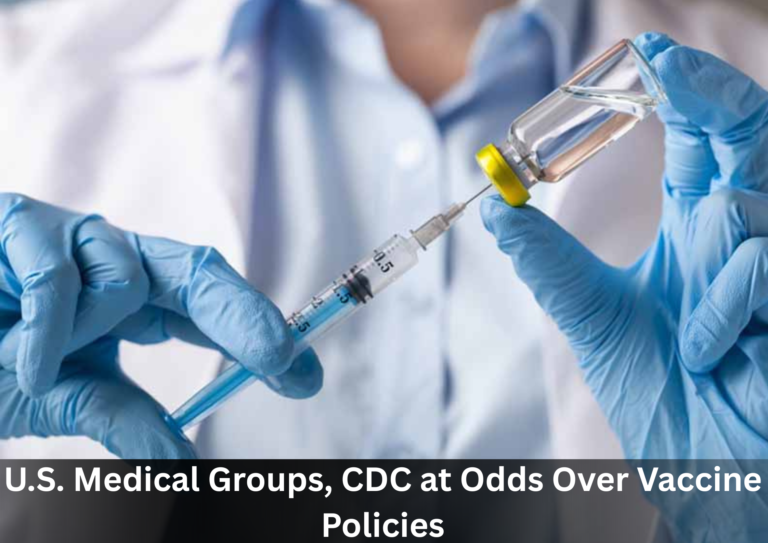
As concerns rise, health authorities are urging parents and caregivers to verify vaccination records and ensure children receive both recommended doses of the MMR (measles, mumps, rubella) vaccine – the first at under 12 months and the second between ages 4 and 6. The vaccine is widely regarded as safe, effective, and the strongest protection against severe illness.
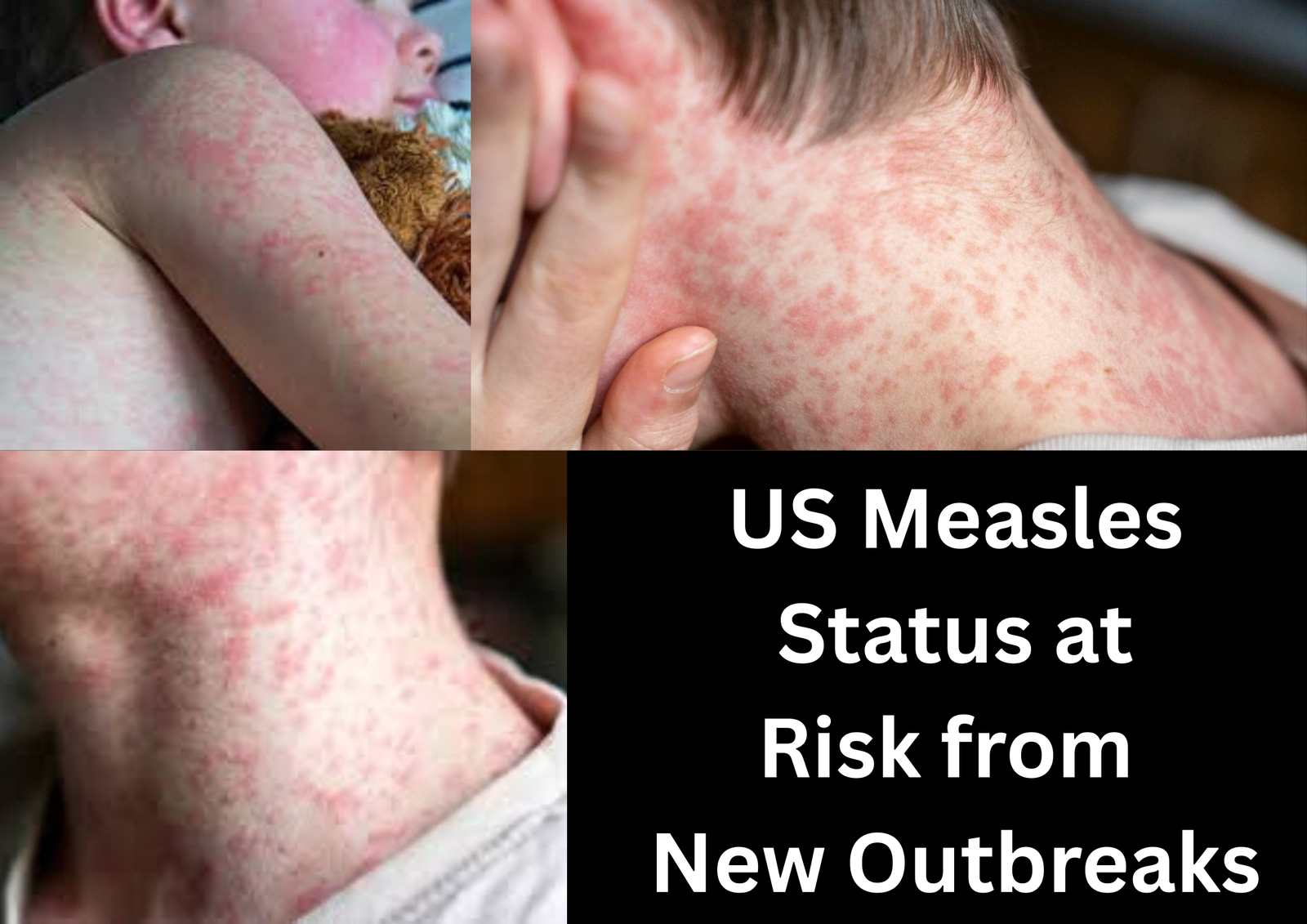
Unvaccinated individuals, especially infants and people with certain medical conditions, remain at the highest risk of severe complications. Measles symptoms typically begin with high fever, cough, runny nose, and red, watery eyes, followed by a spreading red rash. In severe cases, the disease can lead to life-threatening pneumonia or encephalitis.
A Critical Moment for Public Health
Health experts emphasize that the coming months will be decisive. Strengthening vaccination coverage and responding quickly to emerging cases may determine whether the U.S. retains its elimination status or confronts a renewed era of endemic measles transmission.
As state and federal authorities intensify outbreak control efforts, the message from the medical community remains clear: vaccination is the most powerful tool to halt the virus’s resurgence.