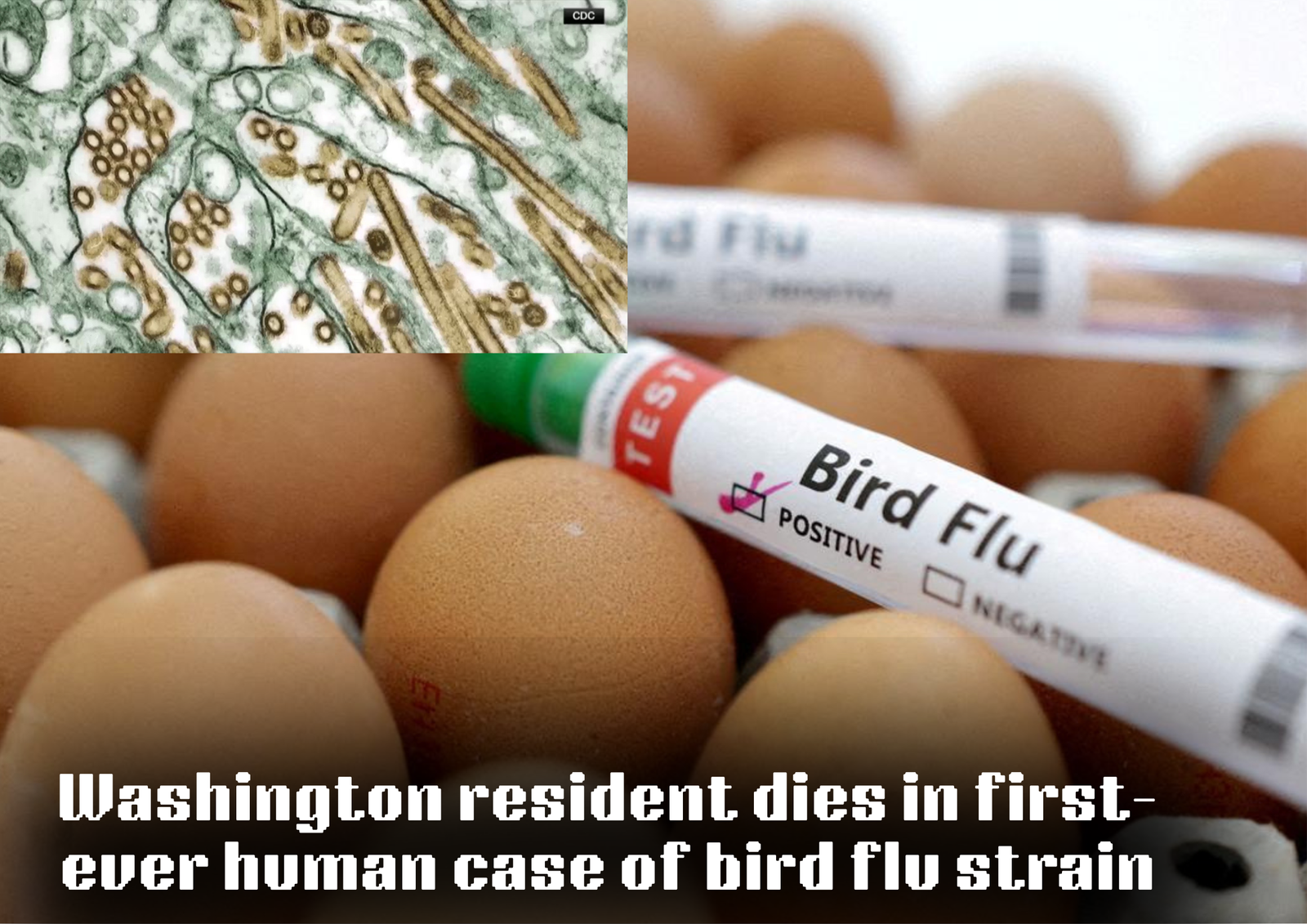
Health officials in Washington state have reported the first human death in the United States caused by a rare form of avian influenza, identifying the virus as the H5N1 strain. Authorities emphasized that while the case is serious, the overall risk to the public remains low.
The Washington State Department of Health announced that the patient, an adult with pre-existing medical conditions, died after contracting the virus earlier this month. Investigators believe the infection occurred following direct contact with wild birds. To protect the privacy of the family, officials have not released the individual’s identity or specific location.
The Centers for Disease Control and Prevention (CDC) confirmed laboratory results showing that the virus involved in this case matches the strain that has been circulating among wild birds and poultry across multiple regions of the United States in recent years. After immediate contact tracing and monitoring, no additional infections have been detected.
Public health officials stressed that there is no evidence of human-to-human transmission, and the virus is still considered difficult to contract without direct exposure to infected birds or contaminated environments.
Although human cases of avian influenza are rare, health agencies globally continue to track occasional spillover events. This case marks the first documented death from this specific strain within the country, adding urgency to ongoing wildlife surveillance and public health monitoring.
Residents are advised to avoid touching sick or dead birds, steer clear of areas contaminated with bird droppings, and report unusual bird behavior or deaths to local wildlife authorities. Standard hygiene practices, such as washing hands after outdoor activities, remain an effective precaution.
Officials say they will continue to analyze the circumstances surrounding the case while maintaining close coordination with federal health partners. At present, both state and national agencies assert that the situation does not pose a significant threat to the broader population.