

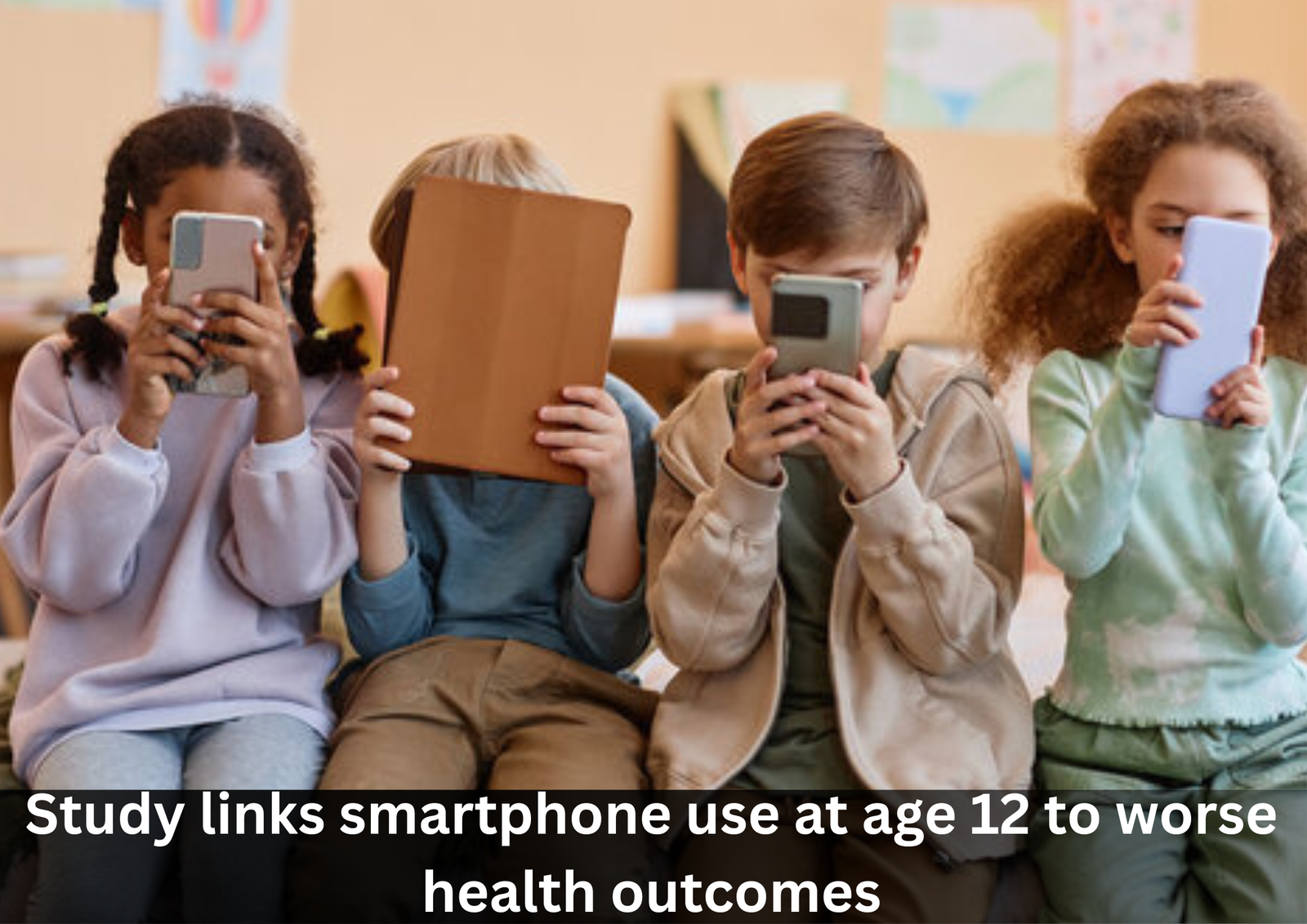
A sweeping new study tracking children across nearly a decade has raised fresh concerns about early smartphone access, suggesting that giving kids their own devices before age 12 may significantly increase the likelihood of long-term health challenges.
The research, carried out by a multidisciplinary team at the University of California, San Francisco, followed 10000 participants from late childhood into their mid-teens. According to the findings, children who owned smartphones at younger ages consistently reported more mental and physical health difficulties compared with peers who received phones later.
Researchers documented a strong age-linked trend: the earlier a child had personal access to a smartphone, the higher their risk of developing issues such as persistent anxiety, elevated depressive symptoms, irregular sleep patterns, and increased sedentary behavior. These outcomes remained significant even after adjusting for family income, household education levels, and previous mental health indicators.
Experts say the results highlight a vulnerable period in childhood development when technology use can heavily influence emotional well-being, social behavior, and lifestyle habits. Extended screen time, late-night usage, and uninterrupted access to social media were identified as leading contributors to the negative effects documented.
Health professionals involved in the study are now advising parents to delay smartphone ownership where possible. They recommend focusing on structured device use, limiting screen time in the evenings, encouraging outdoor activity and peer interaction, and opting for basic communication devices rather than full-feature smartphones for younger children.
The researchers stress that their intention is not to blame parents but to provide clear, evidence-based guidance as digital devices become increasingly intertwined with family life. Much like past public health shifts involving seat belts or youth tobacco exposure, the authors believe society may need to rethink cultural norms around early smartphone adoption.
One lead investigator summarized the findings simply: “If families can wait until at least age 12 to introduce a personal smartphone, the long-term benefits could be significant – and waiting longer may be even more protective.”