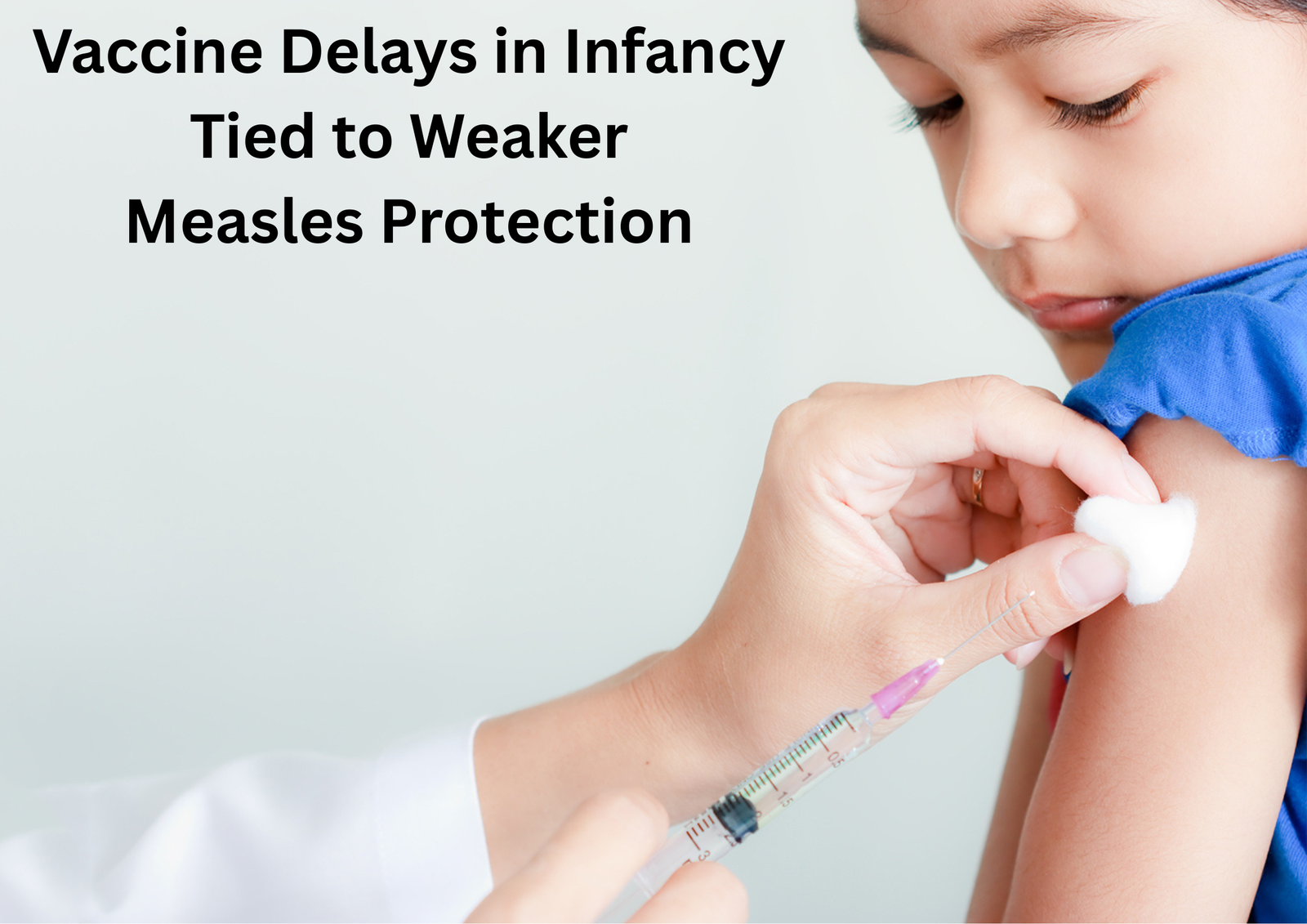
New large-scale research is drawing attention to a critical pattern in childhood immunization: delays in early-life vaccines may strongly influence whether children receive measles protection later on.
An extensive analysis of pediatric health records has found that infants who miss or postpone routine vaccinations during their first months are significantly more likely to skip the measles, mumps, and rubella (MMR) vaccine by the time they turn two. Public health specialists say the findings raise serious concerns, particularly as measles cases continue to rise globally.
Early Vaccination Habits Matter
The study examined medical data from more than 320,000 children who had consistent access to healthcare. Researchers discovered that children who did not receive recommended immunizations at their two-month check-up were far more likely to remain unvaccinated against measles later in early childhood.
According to the findings, the earliest vaccination appointments appear to set the tone for future healthcare decisions. When parents delay initial shots, the likelihood of completing later vaccines drops sharply.
Health experts explain that early immunizations protect against multiple serious illnesses, including whooping cough, polio, and pneumococcal disease. Skipping these early protections may signal broader hesitancy toward routine childhood healthcare.
A Downward Trend Since the Pandemic
The research also highlights a noticeable shift in vaccination behavior following the COVID-19 pandemic. While a majority of children still receive the MMR vaccine on schedule, the proportion has steadily declined over recent years.
More concerning to researchers is the growing number of children who do not receive the MMR vaccine at all by age two. Rather than delayed vaccinations, the data suggests a rise in complete non-participation, which increases vulnerability to highly contagious diseases.
Measles Resurgence Raises Alarm
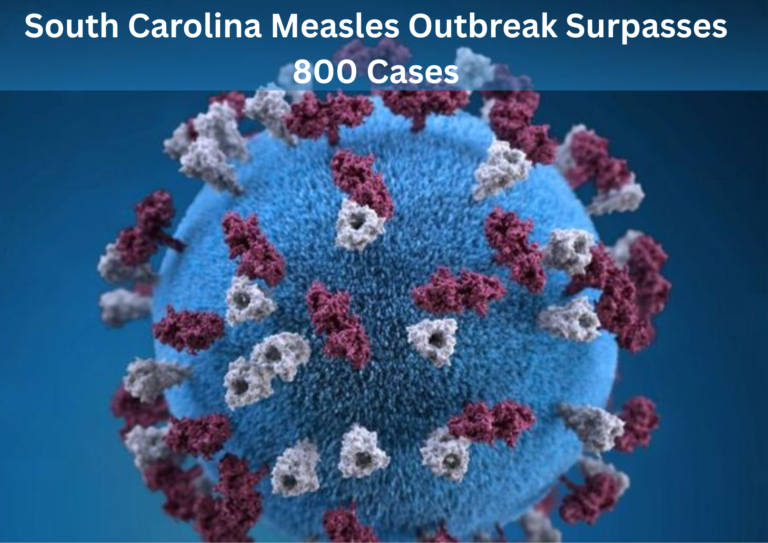
These findings come at a time when measles has re-emerged as a major public health issue. In 2025 alone, the United States reported thousands of cases-numbers not seen in decades. Epidemiologists warn that falling vaccination coverage can quickly lead to outbreaks, as measles spreads easily among unprotected populations.
Medical professionals often refer to measles as an early warning sign. When measles cases rise, it typically signals broader gaps in immunization coverage across communities.
Demographic Patterns Observed
The study also noted modest differences across demographic groups. Children living in rural regions, as well as certain population segments, showed slightly higher chances of missing the MMR vaccine, even when healthcare access was available.
Researchers caution that these findings likely underestimate the real situation, as the study focused on children who already had regular medical care. Vaccination gaps may be more pronounced in underserved areas.
Importance of Early Conversations
Pediatricians emphasize that strong, early communication with parents plays a key role in vaccine acceptance. Healthcare providers say discussions about immunization should begin well before the first scheduled shots, allowing parents time to ask questions and build trust.
Studies consistently show that a clear recommendation from a trusted medical professional remains one of the most effective ways to improve vaccination rates.
Policy Changes and Public Confidence
Recent discussions around changes to childhood vaccination schedules have also added complexity to the public health landscape. Experts warn that adjustments to long-standing recommendations may unintentionally increase confusion or skepticism among parents.
Researchers stress that even small disruptions in vaccination timing can influence long-term health decisions, potentially leaving more children unprotected.
A Call for Preventive Action
Public health officials agree that early vaccine delays should be treated as an important warning sign. Identifying missed immunizations early gives healthcare providers an opportunity to engage families, address concerns, and prevent future gaps in protection.
With measles once again posing a real threat, experts underline that maintaining high vaccination coverage is essential-not only for individual children, but for community-wide protection.
As one infectious disease specialist noted, preventing measles is not just about personal choice; it is about safeguarding those who cannot be vaccinated and ensuring preventable diseases remain under control.
For deeper insight into this heartbreaking story, read “Young Son of Faith-Based Influencer Dies After Rare, Severe Flu Complications” and understand the lessons it shares about health, faith, and awareness.