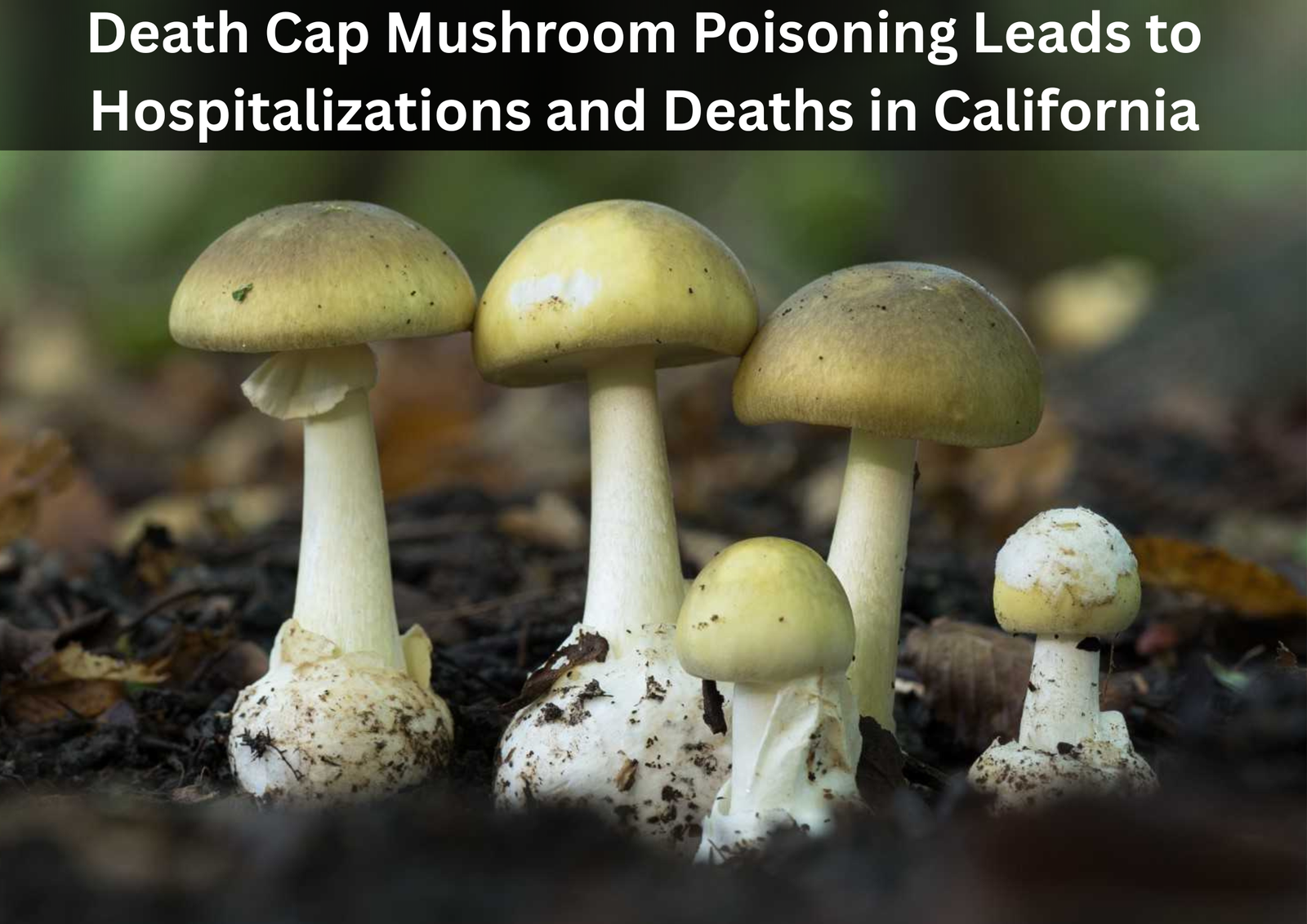
California health officials are sounding the alarm after a series of mushroom poisonings linked to the notorious “death cap” mushroom resulted in multiple deaths and serious illnesses across the state. Authorities are calling it the most lethal mushroom-related outbreak ever documented in California.
According to the California Department of Public Health, more than a dozen suspected or confirmed poisoning cases have been identified since late 2025. Patients range widely in age, from young adults to seniors, and the outcomes have been severe. At least three people have died and several others have undergone emergency medical treatment, including liver transplants.
The reported poisonings span several counties, including Santa Cruz, Monterey, and Santa Clara. What has alarmed experts further is the discovery of death caps not only in wooded areas but also in urban neighborhoods, particularly near oak trees where the toxic fungi commonly grow.
The death cap mushroom – formally known as Amanita phalloides – is responsible for the majority of fatal mushroom poisonings worldwide. Although not native to the state, it has established itself widely in California’s ecosystem. The species often appears in the cooler months following substantial rainfall, making autumn and winter high-risk periods for accidental ingestion.
Part of the danger stems from how deceptively harmless the mushrooms appear. With their pale green or brownish caps, white gills, and bulb-like bases, they can easily be mistaken for edible varieties gathered by foragers. Cooking, drying, or boiling does nothing to neutralize the mushroom’s potent toxins.
The onset of symptoms can take hours, leading many victims to underestimate the severity of their exposure. Individuals typically experience vomiting, diarrhea, and abdominal pain within the first day of ingestion. After an apparent short-lived recovery, patients may then suffer liver or kidney failure without rapid intervention.
Public health agencies are stressing that no household preparation methods or field tests exist to distinguish safe mushrooms from dangerous ones. Officials have reiterated a simple message: do not eat wild mushrooms unless verified by trained experts.
Residents who believe they have consumed potentially toxic mushrooms are urged to seek immediate medical care and, if possible, provide a sample of the mushroom involved. Suspected poisonings can be reported to the California Poison Control System via its 24-hour hotline: 1-800-222-1222.
The state’s health department continues to work with toxicologists, poison control specialists, and federal health agencies as investigations continue and efforts are made to prevent further fatalities.
ICE Deputy Director Madison Sheahan Steps Down to Pursue Congressional Run in Ohio – read this full blog for important details and insights, don’t miss it!