Health authorities across the United States are urging the public to take extra precautions as an unusually aggressive influenza strain gains momentum early in the winter season. Medical experts say the virus, a newly dominant variation of influenza A (H3N2), is spreading faster than expected and could result in a challenging flu season nationwide.
Hospitals in several states have already reported a sharp rise in flu-related visits, with emergency departments seeing increased cases of high fever, fatigue, body aches, and respiratory complications. Public health officials note that this season’s flu activity began weeks earlier than average, raising concerns about sustained pressure on healthcare systems as colder months continue.
According to infectious disease specialists, the current strain has undergone genetic changes that make it easier to spread, even among people who may have some existing immunity from prior infections. While this does not mean vaccines are ineffective, experts acknowledge that protection may vary depending on individual health factors and timing.
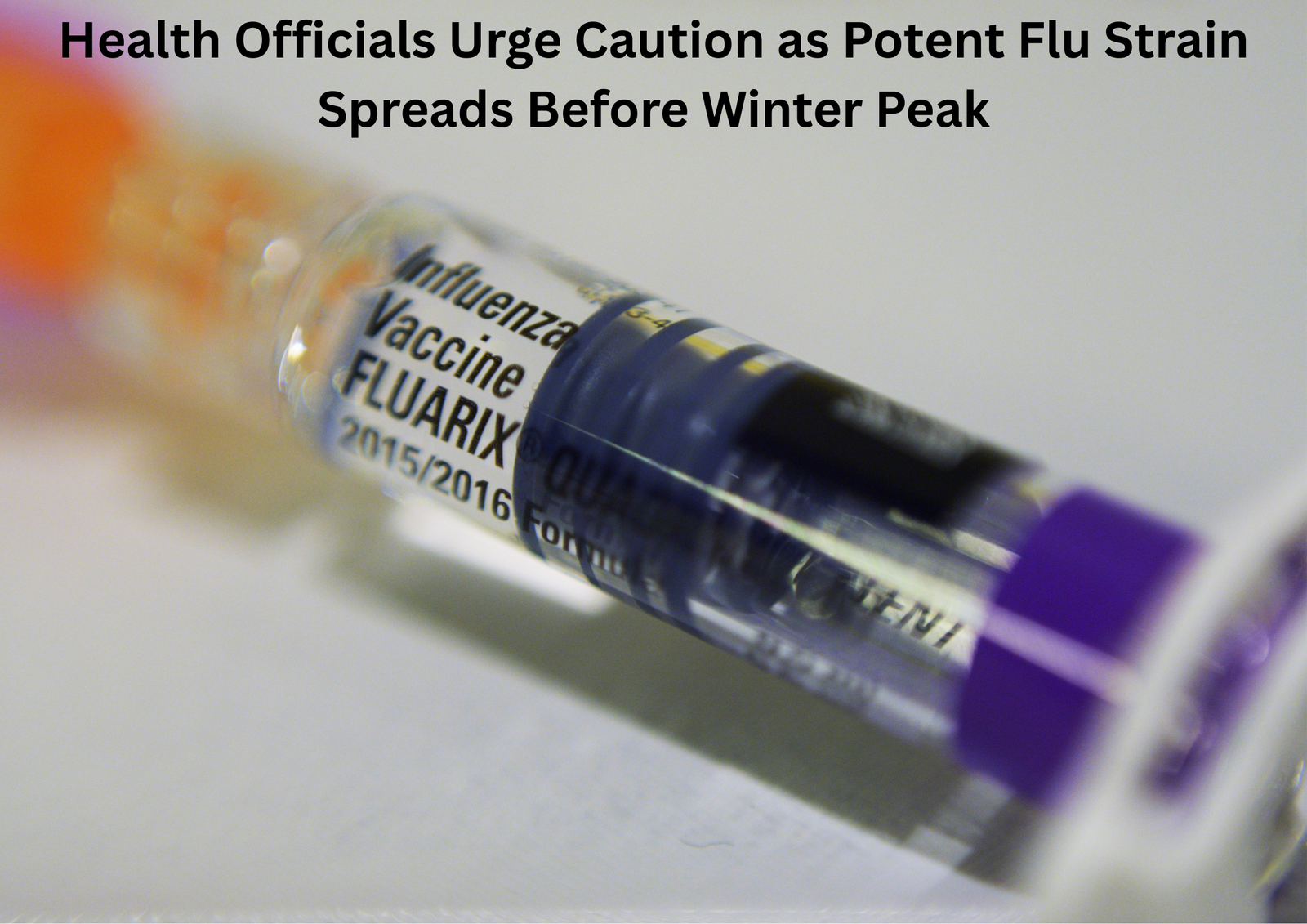
Doctors are emphasizing that flu vaccination remains the most effective defense against severe illness. Even when vaccines do not fully prevent infection, they significantly reduce the risk of hospitalization and life-threatening complications. Pediatricians, in particular, stress the importance of vaccinating children, as younger age groups have shown higher vulnerability this season.
Clinicians are also encouraging early testing for anyone experiencing flu-like symptoms. Antiviral treatments are widely available and can shorten illness duration when started promptly. High-risk individuals-including seniors, pregnant women, and those with chronic conditions-are advised to seek medical care without delay.
In addition to vaccination, health experts recommend basic preventive measures such as frequent handwashing, avoiding crowded indoor spaces when possible, and staying home when sick. Mask use in high-risk environments, such as hospitals and public transportation, may also help slow transmission.
The flu surge is occurring alongside other seasonal respiratory illnesses, adding complexity to diagnosis and treatment. Health officials say continued monitoring and public cooperation will be critical in limiting the overall impact.
As winter travel and gatherings increase, medical professionals urge the public not to underestimate the flu. With timely vaccination, early treatment, and responsible behavior, experts believe many severe outcomes can still be prevented.