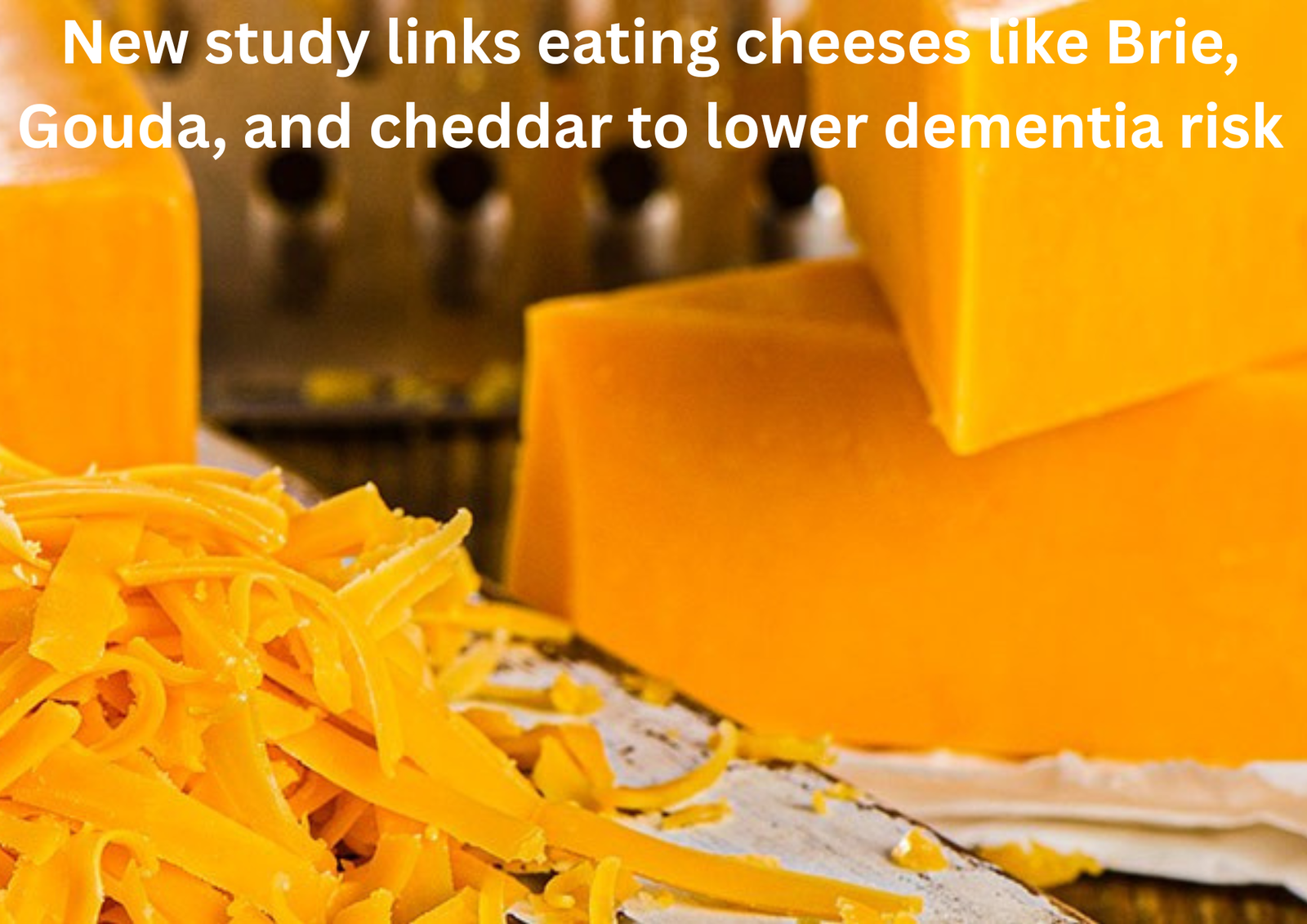
A large-scale European study is reigniting debate over dietary fat and brain health after researchers observed a potential connection between full-fat dairy consumption and a reduced risk of dementia later in life.
The research followed more than 28,000 adults in Sweden for over two decades, tracking dietary habits and neurological health outcomes. Over the 25-year observation period, just over 3,200 participants were diagnosed with some form of dementia.
According to the findings, individuals who regularly consumed higher amounts of full-fat cheese showed a modestly lower likelihood of developing dementia compared to those who ate very little. A similar trend was seen among participants who included full-fat cream in their daily diets. These associations remained even after researchers accounted for age, gender, education level, and general lifestyle factors.
Not all dairy products demonstrated the same pattern. Milk, yogurt, kefir, and reduced-fat cheese showed no measurable relationship with dementia risk. Butter intake produced mixed outcomes, with some indications suggesting higher consumption could be linked to increased Alzheimer’s risk.
Researchers cautioned against drawing definitive conclusions. Dietary information was collected only at the start of the study, meaning changes in eating habits over time were not fully captured. When a smaller group was re-evaluated years later, the strength of the association weakened, suggesting the results should be interpreted carefully.
Independent nutrition and neurology experts also emphasized that observational studies cannot establish cause and effect. Some suggested that people choosing low-fat dairy may already have underlying health conditions, which could influence outcomes unrelated to dairy fat itself.
Another factor limiting global comparison is regional food production. Swedish dairy products often come from grass-fed cows, which may differ nutritionally from dairy products in other countries.
While the findings challenge long-standing assumptions about saturated fat and cognitive health, scientists agree the results should not prompt sudden dietary changes. Instead, they highlight the need for broader international studies to better understand how specific foods interact with long-term brain health.
As dementia diagnoses continue to rise worldwide, researchers stress that balanced diets, regular physical activity, and overall cardiovascular health remain the most reliable protective strategies.