A routine medical injection given to newborns for more than six decades is now facing growing resistance from parents across the United States-alarming doctors who say the trend is placing infants at real and unnecessary risk of life-threatening brain bleeds.
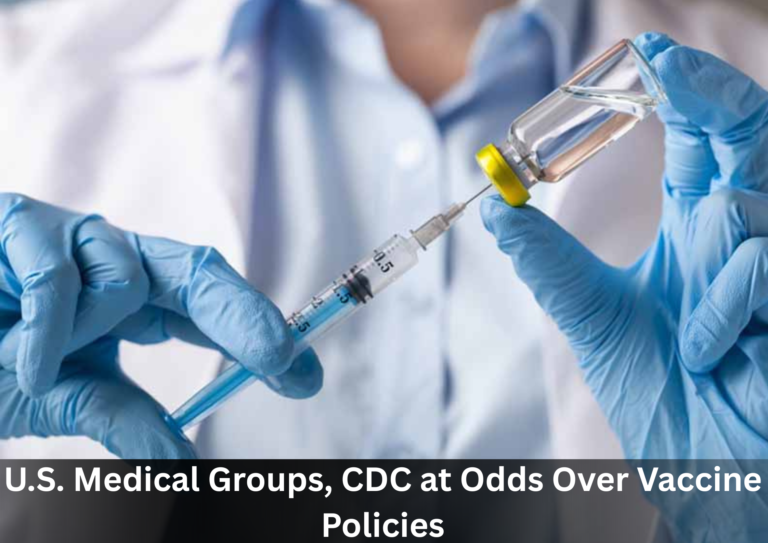
The shot, which delivers a dose of vitamin K shortly after birth, protects babies from a rare but deadly condition known as vitamin K deficiency bleeding (VKDB). Medical professionals say declining acceptance of this simple preventive measure is already leading to devastating outcomes.
Why Newborns Need Vitamin K
Unlike adults, newborn babies are born with extremely low levels of vitamin K, a nutrient essential for normal blood clotting. The vitamin does not pass efficiently from mother to child during pregnancy, and breast milk contains only trace amounts.
Without supplementation, an infant’s blood may not clot properly, increasing the risk of spontaneous internal bleeding. In severe cases, this bleeding can occur in the brain or intestines-often without warning.
Doctors explain that a single injection at birth provides immediate and long-lasting protection during the most vulnerable months of life.
Refusals Are Increasing Nationwide
Recent hospital data and national birth reports show that more parents are declining the vitamin K shot than in previous years. While overall refusal rates remain relatively low, the steady upward trend concerns pediatric experts.
Refusal is especially common in home births and birthing centers, but hospital settings are also seeing a gradual rise. Physicians warn that even a small increase can result in preventable deaths when applied across millions of births each year.
The Deadly Reality of VKDB
VKDB can appear at different stages of infancy. Early cases occur within the first day of life, while late-onset cases may develop weeks or even months later. Late-onset VKDB is considered the most dangerous form, often striking without symptoms and progressing rapidly.
Medical researchers estimate that babies who do not receive the shot face a dramatically higher risk of severe bleeding. Some infants who survive suffer permanent neurological damage, seizures, or lifelong developmental disabilities.
Pediatricians stress that these outcomes are almost entirely preventable.
Misinformation Driving Hesitation
Healthcare workers point to online misinformation as a major reason parents refuse the injection. Social media platforms frequently promote unproven claims linking vitamin K shots to cancer, genetic damage, or toxic additives-claims that decades of medical research have repeatedly disproven.
Other parents choose to reject the shot in favor of oral vitamin K, often believing it to be more “natural.” However, experts emphasize that oral vitamin K is not an approved substitute in the United States and does not provide consistent protection, especially if follow-up doses are missed.
Medical Community Pushes Back
The American Academy of Pediatrics has recommended the vitamin K shot for all newborns since 1961. Pediatricians nationwide continue to endorse it as one of the safest and most effective preventive measures in modern medicine.
Doctors are now urging expectant parents to discuss vitamin K during prenatal visits-well before delivery-so accurate information can replace online myths. Hospitals are also expanding educational programs to clearly explain the risks of refusal.
Preventable Tragedies on the Rise
Doctors report heartbreaking cases in which healthy infants suffered catastrophic brain hemorrhages after missing the vitamin K shot. In many situations, parents were unaware of the true danger until it was too late.
“These injuries don’t have to happen,” one pediatric specialist noted. “This is one of the few conditions in medicine that is almost entirely preventable with a single injection.”
A Public Health Setback
Health experts warn that continued vaccine-related skepticism could reverse decades of progress in newborn safety. The vitamin K shot has quietly protected millions of babies for generations-but rising refusals now threaten to undo that success.
Medical professionals agree on one message: refusing the shot does not make childbirth safer or more natural-it simply exposes infants to a life-threatening risk that modern medicine already knows how to prevent.