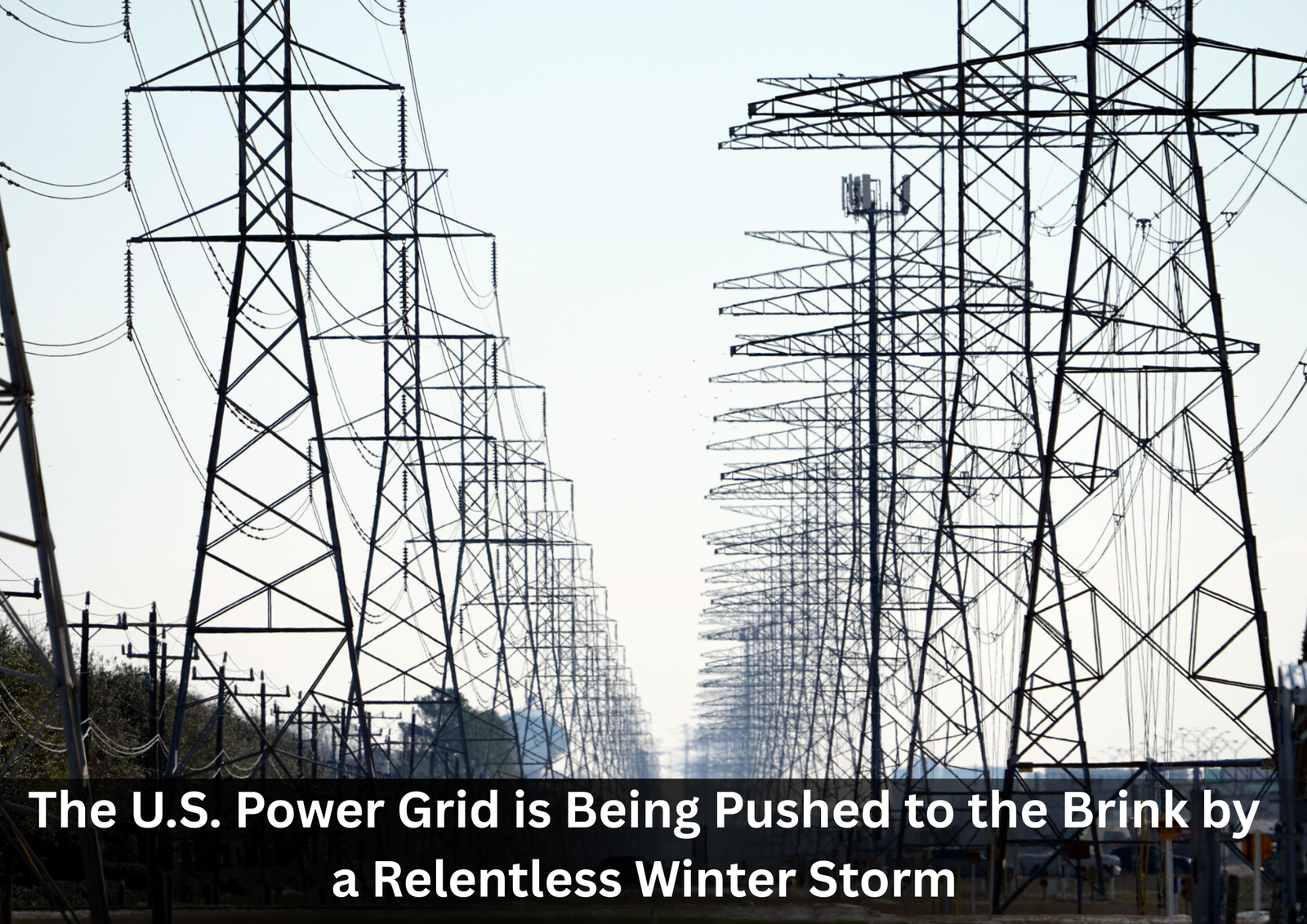
A powerful winter storm sweeping across much of the eastern United States is placing extraordinary pressure on the nation’s electricity system, triggering widespread power outages, emergency conservation alerts, and sharp spikes in wholesale energy prices.
The sprawling storm system, spanning more than 2,000 miles, has driven temperatures well below seasonal averages, sharply increasing electricity demand as millions rely on heating. At the same time, power generation has been disrupted by fuel shortages, equipment outages, and transmission constraints, creating a precarious balance for grid operators.
According to regional grid managers, nearly one million customers were without electricity as of Sunday evening. Several states across the South and Mid-Atlantic reported extensive outages as ice, snow, and freezing rain damaged infrastructure and slowed repair efforts.
The strain has been particularly acute for PJM Interconnection, the largest power grid operator in the country, which supplies electricity to about 67 million people across 13 states and Washington, D.C. Officials confirmed that a significant portion of generation capacity was unexpectedly unavailable over the weekend, prompting PJM to issue pre-emergency directives asking large electricity consumers to reduce usage in order to prevent broader disruptions.
One of the key challenges exposed by the storm is the growing dependence of the U.S. power system on natural gas. While gas-fired plants provide a large share of electricity under normal conditions, extreme cold simultaneously boosts demand for home heating and power generation, stretching pipeline capacity to its limits. Limited fuel storage and transportation constraints have forced some regions to rapidly switch to alternative energy sources.
In New England, restricted access to natural gas led grid operators to rely heavily on oil-fired power plants, a fuel source typically used only during emergencies. Energy analysts warn that these reserves are finite and difficult to replenish during severe winter weather, increasing the risk of further instability if cold conditions persist.
Electricity markets reacted swiftly to the tightening supply. Wholesale prices across multiple eastern markets surged to levels rarely seen outside major crisis events. In parts of the Mid-Atlantic and Southeast, prices climbed into the thousands of dollars per megawatt-hour, driven by soaring demand and limited available generation. Areas with dense clusters of data centers experienced especially high price volatility due to their constant, high-load electricity needs.
Elsewhere, grid operators in Texas also braced for record-setting winter demand. Forecasts indicated that electricity consumption could approach historic highs as cold air pushed deep into the state, raising concerns about market stress despite recent grid improvements.
The storm has also highlighted weaknesses in the nation’s transmission network. Although strong winds generated ample wind power in parts of the Midwest, bottlenecks in high-voltage lines prevented that electricity from being delivered to harder-hit eastern regions. Meanwhile, heavy cloud cover and snow accumulation reduced solar output in major metropolitan areas, further limiting supply options during peak demand hours.
Energy experts say the situation underscores broader, long-term challenges facing the U.S. electric system. Retiring power plants, rising electricity consumption from digital infrastructure, and limited coordination between gas and power networks have reduced operational flexibility. While the current storm has not yet reached the severity of past winter disasters, analysts caution that prolonged cold could still push parts of the grid into dangerous territory.
With freezing temperatures expected to linger for several more days, utilities and grid operators remain on high alert, urging consumers to conserve energy where possible as crews work to restore power and stabilize the system.
Don’t miss this deep dive on “Gold Hits Historic High Above $5,000 an Ounce as Global Turmoil Drives Safe-Haven Rush”-read the full blog to understand what’s fueling this unprecedented surge.