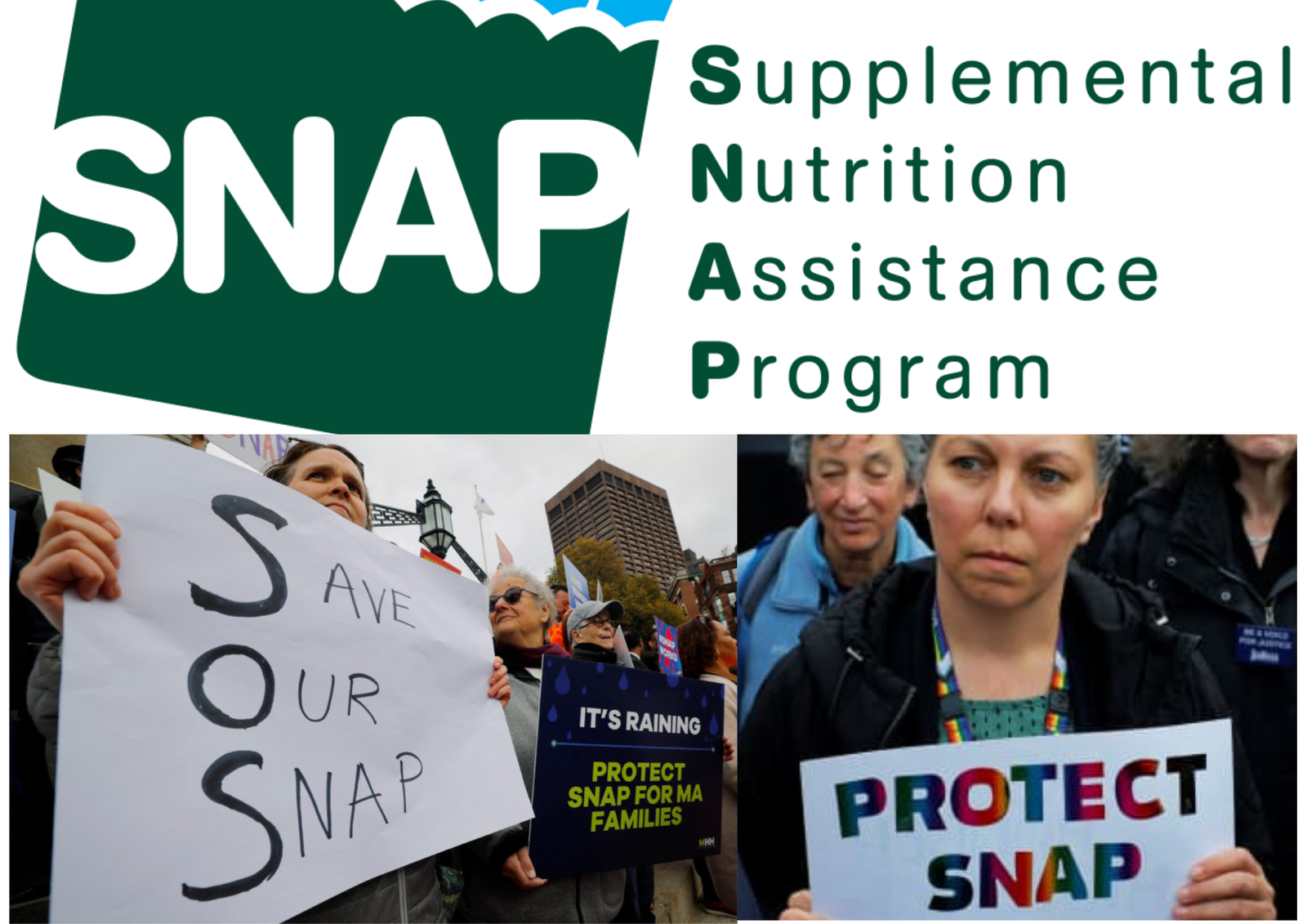
The Trump administration’s decision to partially fund the Supplemental Nutrition Assistance Program (SNAP) for November has sparked a political firestorm and a series of legal challenges. The move, which slashes food benefits for millions of Americans, has been widely condemned by lawmakers, advocacy groups, and state officials.
Under the new directive, only a portion of SNAP’s required budget will be disbursed this month. Administration officials argue that the government is mandated to fund only “essential benefits” amid a lapse in federal appropriations-a sharp departure from previous full-funding practices during budget impasses. The White House maintains that the measure is a necessary response to fiscal constraints caused by ongoing disputes in Congress.
The impact is already being felt nationwide. In Washington state, local officials confirmed that thousands of households will receive smaller benefits in November. For families already struggling to make ends meet, even a modest cut could mean the difference between keeping food on the table or going hungry. “We’re having to make tough choices-rent or groceries,” said Seattle resident Maria Gonzales, who relies on SNAP to feed her two children.
In response, several states-including Washington, New York, and California-have filed lawsuits against the federal government. Their legal argument centers on the administration’s statutory duty to fully fund the program. Washington Attorney General Bob Ferguson called the move “a reckless decision that punishes vulnerable Americans to make a political point.”
The backlash has extended beyond the courtroom. Democratic leaders in Congress have accused the Trump administration of manufacturing a crisis to gain leverage in broader budget negotiations. “Millions of low-income Americans are being used as pawns,” said Senate Majority Leader Chuck Schumer. Food banks across the country are bracing for an influx of new clients, with many already seeing spikes in demand since the announcement.
Anti-hunger organizations have also voiced alarm, warning that partial funding could have devastating ripple effects. “This is not just a numbers issue-it’s about real people losing access to food security,” said Claire Donovan of Feeding America. “Every dollar cut from SNAP adds pressure to community pantries that are already stretched thin.”
Supporters of the administration’s decision, however, argue that it reflects fiscal prudence during a period of federal gridlock. “The government cannot keep spending beyond its means,” said former Budget Director Russell Vought. “Prioritizing essential services ensures that the most critical programs continue to function.”
The partial funding comes amid a broader standoff over government spending, which has resulted in the closure of several nonessential federal operations. While Congress continues to debate a long-term funding package, the immediate concern for millions of SNAP beneficiaries remains how to stretch their reduced benefits through the end of the month.
As lawsuits move forward and public anger intensifies, the fate of the program-and the families it supports-hangs in the balance. For many, the cuts serve as a stark reminder of how political gridlock in Washington can translate into real-world hardship across the country.