What Is Seasonal Affective Disorder?
As the days grow shorter and sunlight becomes scarce, many people notice a dip in mood and energy. For some, this change goes beyond the typical “winter blues.” This condition is known as Seasonal Affective Disorder (SAD) – a recognized form of depression that follows a recurring seasonal pattern.
SAD most commonly affects individuals during the autumn and winter months, when daylight hours are at their lowest. Experts believe that reduced sunlight exposure can disrupt the body’s circadian rhythm – the internal clock that regulates sleep, mood, and hormone levels. The lack of sunlight can also lower levels of serotonin, a neurotransmitter that influences happiness, while increasing melatonin, a hormone that promotes sleepiness. These biological shifts together can trigger the hallmark symptoms of SAD.
Recognizing the Symptoms
The symptoms of Seasonal Affective Disorder are often similar to those of major depression, but they tend to occur cyclically each year. Common signs include:
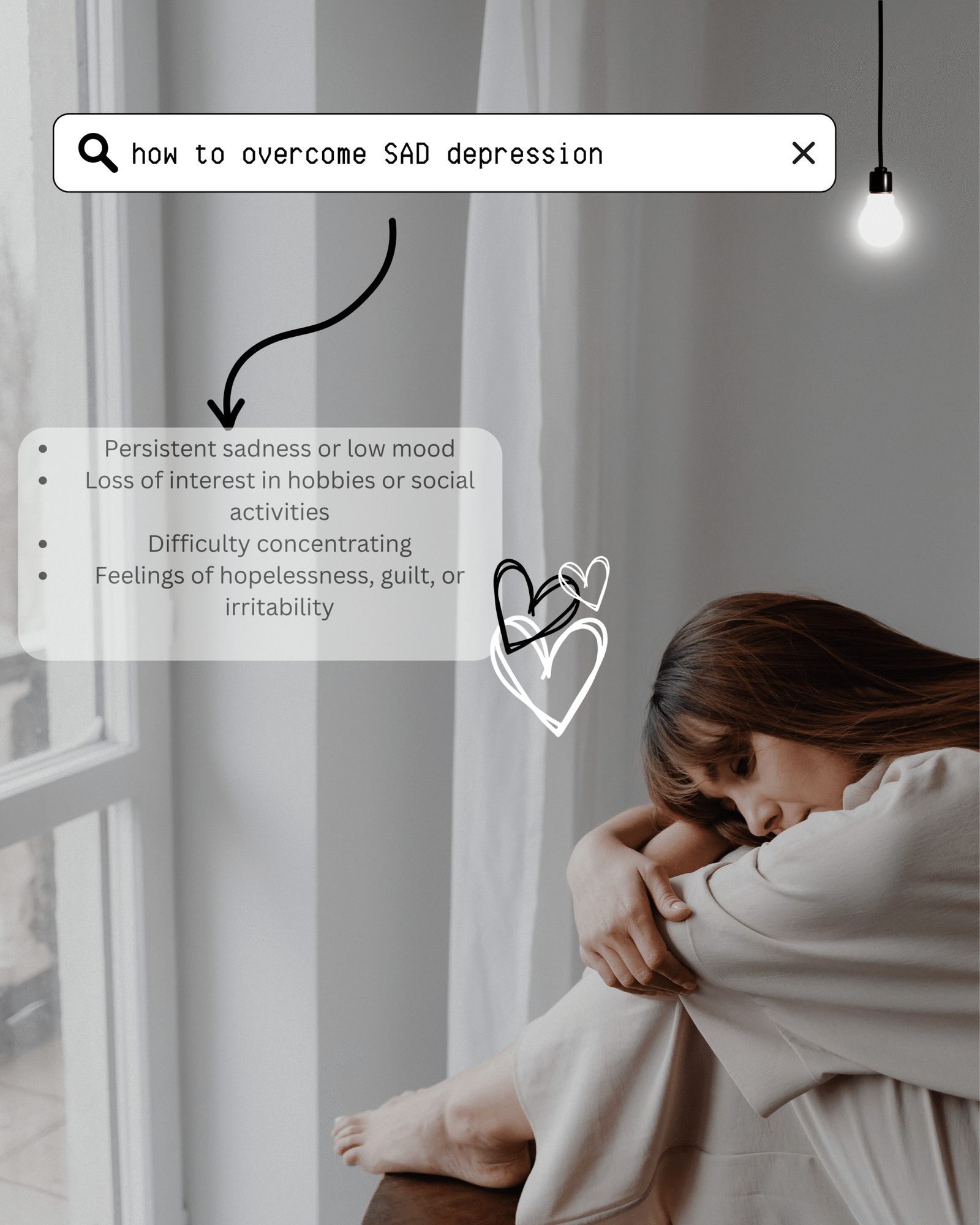
- Persistent sadness or low mood
- Loss of interest in hobbies or social activities
- Fatigue and excessive sleepiness during the day
- Increased appetite, especially cravings for carbohydrates
- Difficulty concentrating
- Feelings of hopelessness, guilt, or irritability
Many people with SAD also find it harder to wake up in the morning and may experience noticeable weight gain during the winter months.
Effective Treatments and Management Strategies
Fortunately, SAD is a well-studied condition, and several treatment options have proven effective in managing its symptoms:
- Light Therapy: Often the first line of treatment, light therapy involves sitting near a light box that mimics natural daylight. Daily use can help regulate melatonin and serotonin levels, improving mood and alertness.
- Natural Sunlight: Spending time outdoors, even on cloudy days, can help boost mood-regulating hormones and support the body’s internal clock.
- Exercise and Diet: Regular physical activity and balanced nutrition are powerful tools for maintaining emotional stability.
- Cognitive Behavioural Therapy (CBT): Talking therapies such as CBT can help individuals reframe negative thought patterns and develop effective coping mechanisms.
- Medication: In moderate to severe cases, doctors may prescribe antidepressants to stabilize mood and energy levels.
Often, a combination of therapies delivers the best results, particularly when treatment begins early in the season.
The Importance of Seeking Professional Help
If you suspect you may be experiencing symptoms of Seasonal Affective Disorder, it’s essential not to dismiss them as simple winter fatigue. Consulting a healthcare professional or general practitioner can lead to a proper diagnosis and a personalized treatment plan.
SAD is a treatable condition, and with the right approach, individuals can regain control of their emotional well-being and enjoy the colder months with renewed energy and optimism.
Bottom Line:
Understanding the biological and environmental factors behind SAD empowers individuals to take proactive steps toward mental wellness. With early intervention, healthy lifestyle choices, and professional support, it’s entirely possible to keep the winter gloom from overshadowing your mental health.