

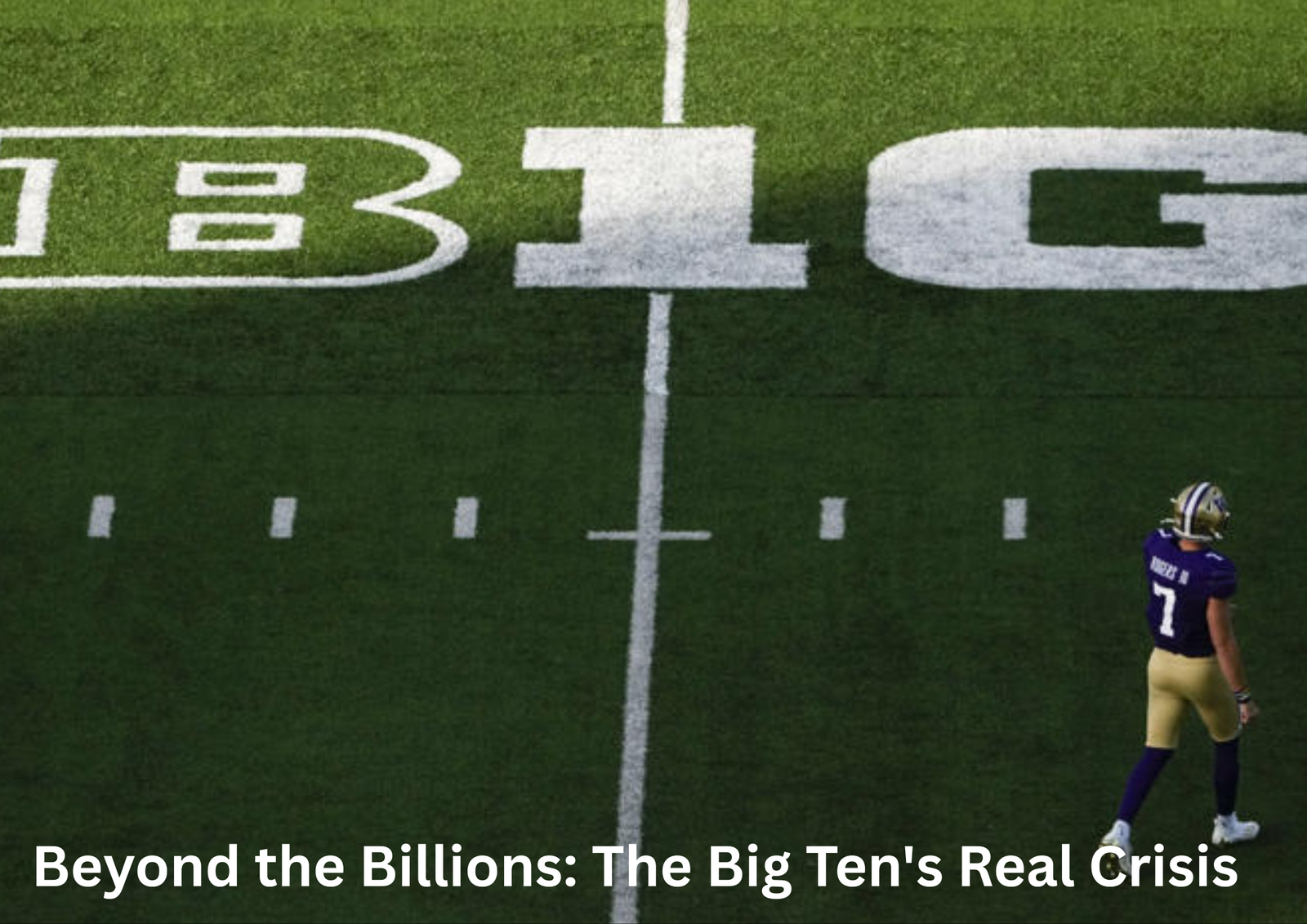
The University of Michigan’s Board of Regents has taken a firm public stance against a proposal for the Big Ten Conference to seek private equity funding, marking one of the strongest objections from any member institution. In a statement released on November 20, 2025, the regents emphasized that they have consistently voted against the initiative and remain unconvinced that such a move aligns with the long-term interests of the conference.
Their opposition adds weight to growing concerns raised by several administrators throughout the Big Ten, many of whom question whether introducing private equity into college athletics could compromise the values and stability of the league.
Over the past several years, the Big Ten has experienced unprecedented financial growth, largely fueled by massive media rights deals. Despite this success, revenue distribution across the conference remains uneven. Long-established programs with expansive stadiums and national fan bases-such as Michigan, Ohio State, and Penn State-often see themselves carrying a disproportionate share of financial responsibility for smaller or newer members. This imbalance has intensified internal pressure to find new revenue streams, prompting conference leaders to explore outside investment.
Central to the current debate is a proposal involving CVC Capital Partners, a major global private equity group. Discussions have revolved around the Big Ten selling 10% stake in a newly created media company that would control the conference’s broadcast rights for 10 years. Early estimates value the potential investment $ 2.4 billion, an amount that would be distributed across all member universities.
Michigan’s regents and other critics argue that the risks outweigh the benefits. Many fear the conference could lose meaningful control over future media negotiations and long-term revenue streams by allowing a profit-driven firm to influence strategic decisions. They also worry that financial priorities could overshadow student-athlete welfare, academic missions, and the broader traditions that define college sports.
Opponents further question whether the conference needs a private partner at all. With the Big Ten already operating as one of the wealthiest leagues in college athletics, critics say a one-time payout does not justify sharing future profits from a thriving enterprise.
Conference leaders continue to study the proposal and have not yet set a date for a final vote. While discussions remain ongoing, Michigan’s public resistance underscores a widening divide among Big Ten members. The debate now extends beyond finances, touching on larger questions about governance, long-term vision, and the evolving identity of college athletics.