

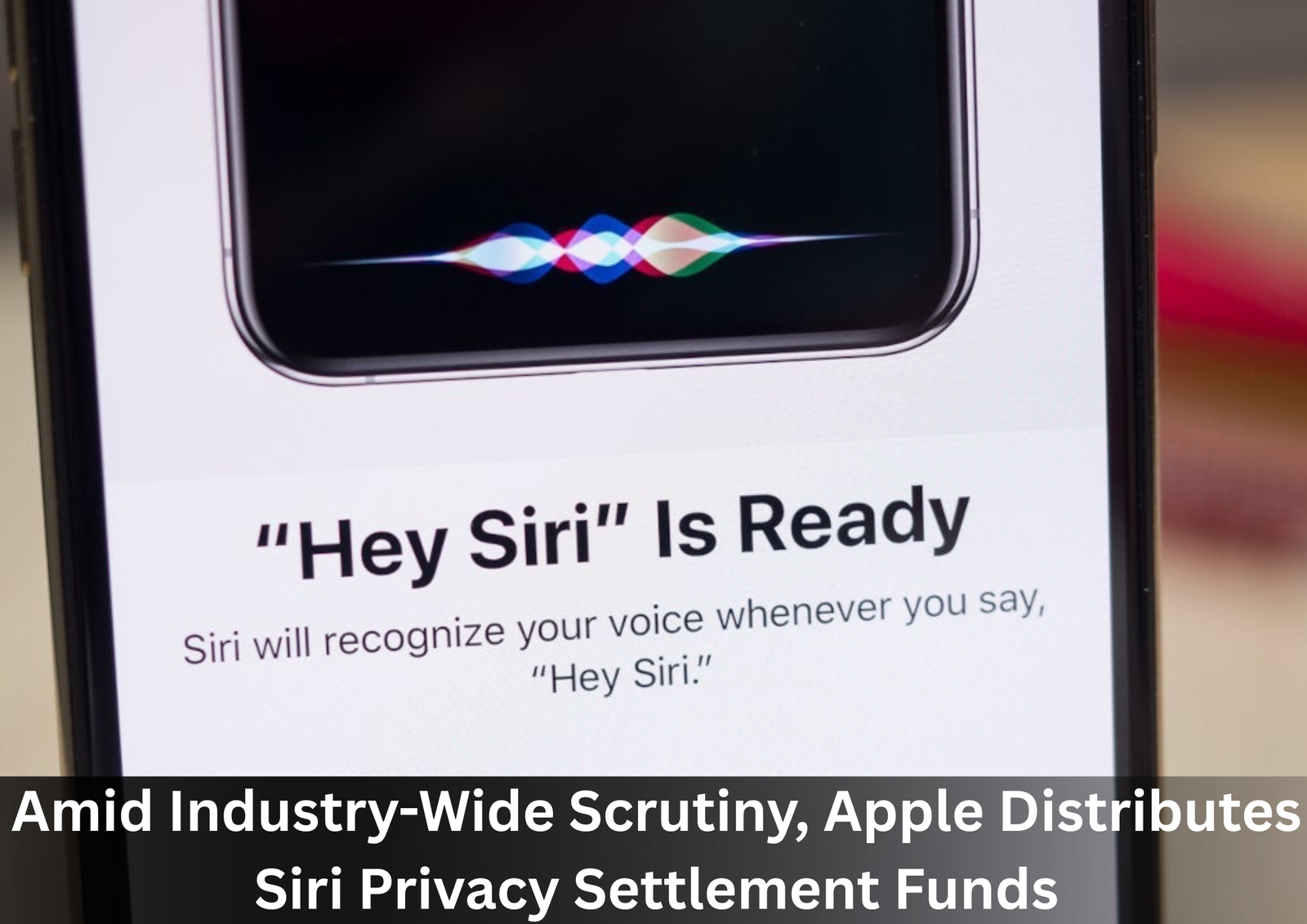
Apple has begun distributing funds from a long-running privacy settlement related to its voice assistant, Siri, marking a significant development in one of the most closely watched technology privacy cases of the past decade. The payments are part of a $95 million class-action settlement that resolves allegations concerning the unintended recording of user conversations.
The lawsuit, originally filed in 2019, accused Apple of allowing Siri to capture private audio without users’ clear consent. According to the claims, recordings were sometimes triggered unintentionally by background sounds or accidental wake words, even when devices were locked. Some of these audio clips were later reviewed by human contractors as part of internal quality assurance processes, a practice that raised concerns under California’s privacy laws.
Apple has consistently denied violating user privacy or acting unlawfully. However, the company agreed to the settlement to avoid prolonged legal proceedings and the uncertainty of continued litigation. As is common in such cases, the agreement does not represent an admission of wrongdoing.
In addition to the financial compensation, the settlement required Apple to revise how Siri handles audio data. Users now must explicitly opt in if they want their Siri recordings to be used for review or improvement purposes. Apple has also implemented additional technical safeguards aimed at reducing accidental activations and limiting unnecessary data collection.
Payments are being issued to eligible U.S. residents who owned qualifying Apple devices during specific periods between 2011 and 2019. Covered products include iPhones, iPads, Mac computers, Apple Watches, and HomePod speakers that had Siri enabled. Individual payout amounts vary depending on the number of eligible devices claimed and the total number of approved claims submitted.
While many recipients are reporting modest payments, the settlement is being viewed as symbolically important, highlighting the growing scrutiny placed on voice-activated technologies and how they interact with personal privacy. As smart assistants become more deeply integrated into everyday life, regulators and consumers alike are paying closer attention to how companies collect, store, and process voice data.
Apple’s settlement is also part of a broader trend affecting the tech industry. Around the same time, Google reached a separate agreement to resolve similar allegations involving its own voice assistant. Combined, the two companies are paying more than $160 million to settle lawsuits centered on concerns about the handling of private conversations.
These cases reflect a shifting legal and regulatory environment in which technology companies are expected to be more transparent about data practices and provide users with clearer control over their personal information. Privacy advocates argue that the settlements send a strong message to the industry, while companies maintain that improvements in technology and policy are already addressing past concerns.
As payments continue to roll out, the Siri settlement serves as a reminder of the balance tech firms must strike between innovation and user trust-an issue likely to remain at the center of digital policy debates in the years ahead.
Stay informed on the latest pharma industry moves-read our full analysis on “Merck Steps Away from Potential Takeover of Revolution Medicines” to understand what this decision could mean next.