
Introduction
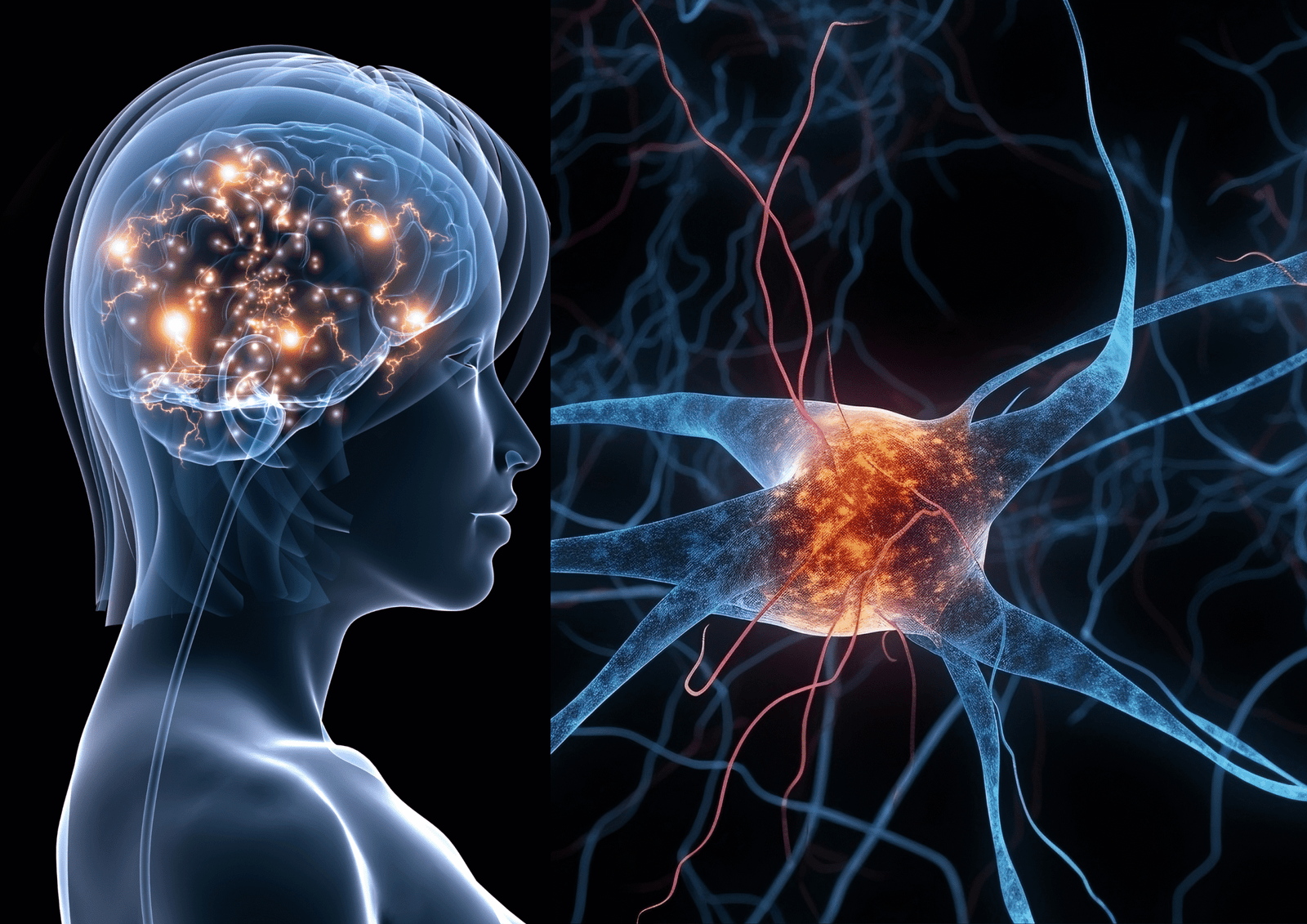
A new wave of neuroscience discoveries has shown that memories in animal brains can now be selectively activated or suppressed. This advancement could revolutionize how scientists understand memory-related disorders and open the door to breakthrough therapies for addiction and post-traumatic stress disorder (PTSD).
Memory Manipulation in Rodents
In controlled laboratory experiments, neuroscientists have learned to trigger the recall of specific memories in rodents at will. Using a precise combination of light and neural stimulation, they induced physical reactions in the animals that mirrored emotional recall. One researcher described the response as “a visible shudder traveling through the body like the memory itself was moving.”
This breakthrough demonstrates that memories are not static archives but active circuits that can be influenced externally. The findings suggest that brain activity tied to past experiences can be turned on or off, a capability once thought to exist only in theory.
The CHOICE Framework and Addiction
Alongside memory manipulation studies, researchers have proposed a new model for understanding addiction recovery known as the CHOICE Framework (Characterizing Heuristic Operations in Addiction Recovery).
The framework challenges traditional ideas of addiction as a purely chemical or medical condition. Instead, it views recovery as an active mental process where individuals continually make cognitive choices to manage their condition. This approach highlights the brain’s resilience and its ability to rewire itself, suggesting that recovery is not only possible but also dynamic and self-directed.
Implications for Human Treatment
By merging these two areas of study memory control and cognitive recovery scientists envision therapies that could reshape how addiction and trauma are treated.
If certain memories linked to drug cravings or traumatic events can be weakened or replaced, patients might gain greater control over emotional triggers. Therapies could focus on reducing the intensity of harmful associations while reinforcing healthier behavioral pathways. This method would harness the brain’s natural plasticity, offering a more personalized and empowering form of treatment.
Conclusion
These developments mark a turning point in neuroscience. The ability to externally control memories in animals, paired with a cognitive model of recovery, signals a new era in brain research.
Rather than viewing the brain as a fixed organ, scientists now see it as a flexible, adaptive system one that can learn, heal, and even be guided toward wellness. As memory manipulation and cognitive choice models continue to evolve, they may soon offer transformative solutions to some of humanity’s most persistent psychological challenges.