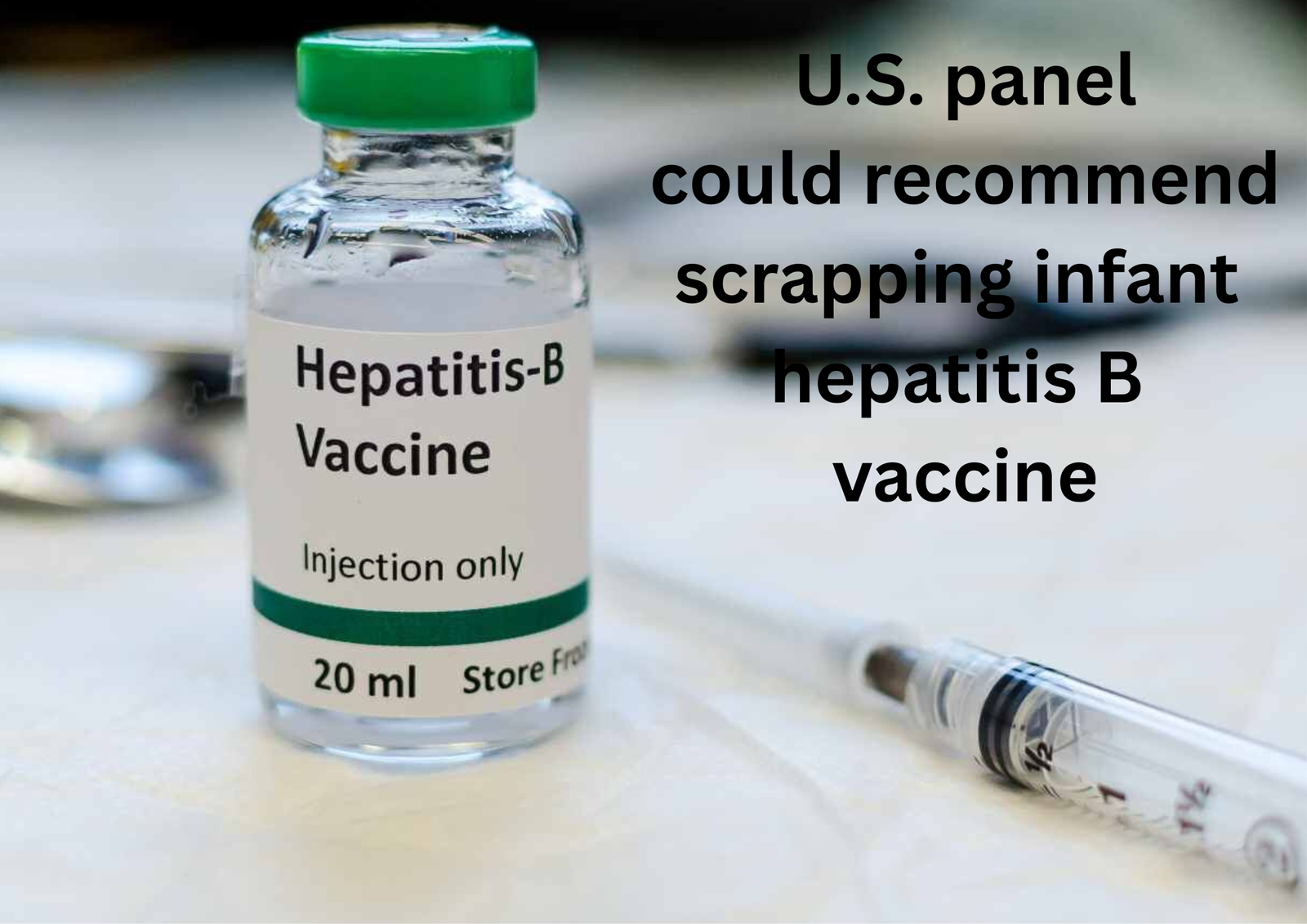
A federal vaccine advisory panel has reaffirmed its long-standing position that every newborn in the United States should receive a hepatitis B vaccine dose within 24 hours of birth, concluding a high-profile review sparked by a public challenge.
The Advisory Committee on Immunization Practices (ACIP), which guides national vaccination policy for the Centers for Disease Control and Prevention (CDC), voted unanimously-aside from one abstention-to keep the universal birth-dose recommendation in place. The decision upholds a policy first established in 1991.
The review was triggered by a petition from the U Project, a group with ties to supporters of Robert F. Kennedy Jr., which argued that the vaccine should only be given to babies born to mothers who test positive for hepatitis B. Representatives for the group claimed that the risks of universal vaccination outweigh the benefits for infants not considered high-risk.
CDC scientists and medical experts strongly disputed those claims. Presenting decades of surveillance and safety data, officials emphasized that the birth dose remains the most reliable method of preventing early-life hepatitis B infections, which can lead to chronic liver disease, cirrhosis, and liver cancer. They noted that even with widespread prenatal testing, some hepatitis B cases go undetected, making early vaccination an essential safeguard.
Health professionals who spoke at the meeting, including pediatricians and liver specialists, stressed that hepatitis B can be transmitted to children through everyday contact with infected blood or bodily fluids. In many pediatric cases, they said, the exact source of infection is never identified.
Public comments during the session revealed deep divides. Several parents who supported the challenge shared personal stories of children they believe were harmed by vaccines. Physicians and researchers countered that extensive studies have consistently shown the vaccine to be safe and that withdrawing the universal recommendation could put thousands of infants at unnecessary risk.
With the review now complete, ACIP’s recommendation will be sent to the CDC director for final approval, a step that historically aligns with the committee’s vote. Once signed, the guidance will continue to shape vaccination practices in hospitals and clinics nationwide.
The reaffirmation marks a significant moment in the ongoing debate over childhood immunization policy, as health agencies work to counter misinformation while maintaining public trust in vaccines that have been foundational to disease prevention for decades.