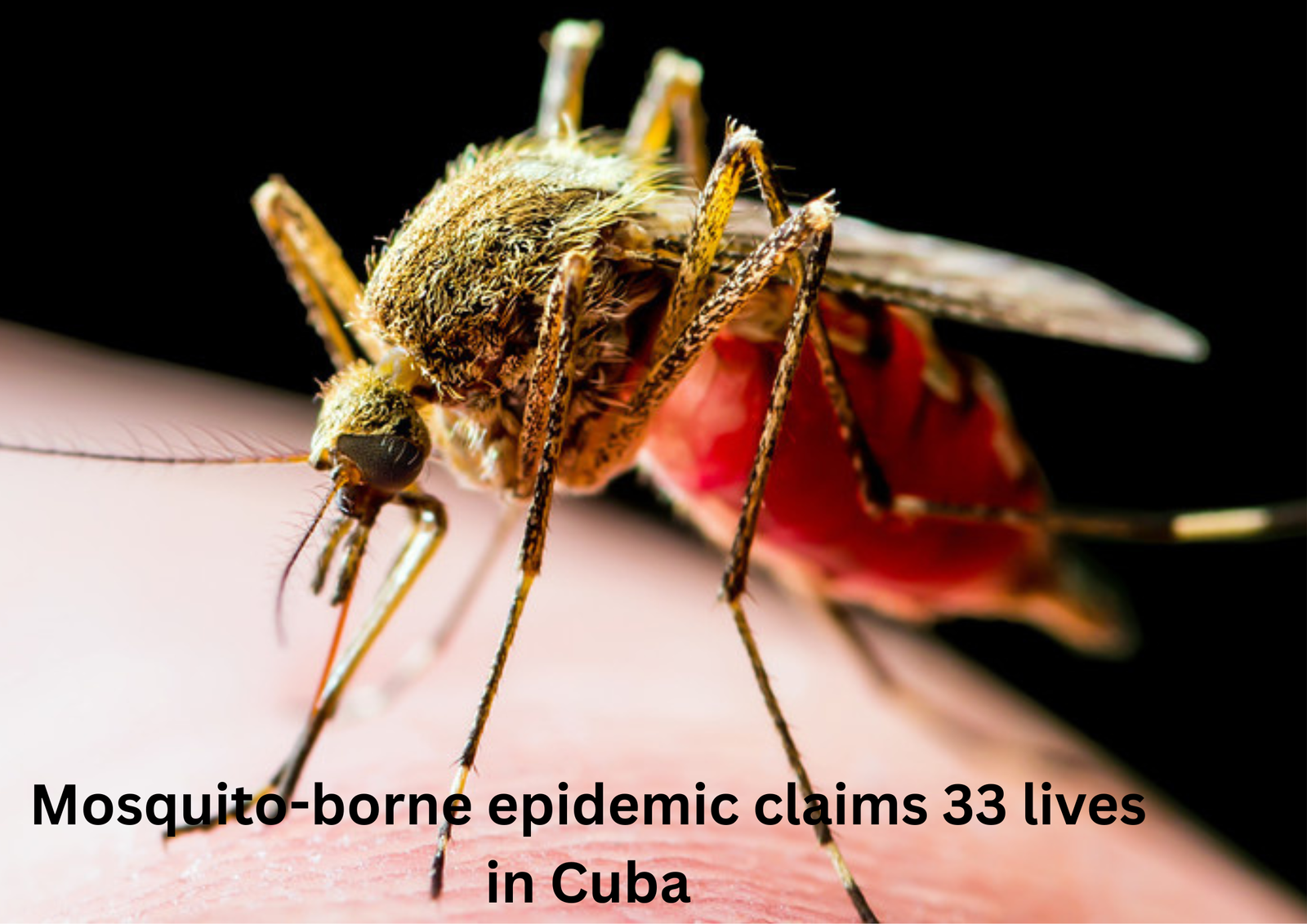
Cuba has declared a nationwide public health emergency after a sharp rise in chikungunya and dengue infections pushed hospitals across the island to their limits. Health officials say the outbreak, driven by the Aedes aegypti mosquito, has resulted in dozens of deaths and an alarming spike in severe cases over the past month.
According to the Ministry of Public Health, at least 33 people have died from complications linked to the two viruses since early November. Clinics in Havana, Santiago de Cuba, and Villa Clara are reporting crowded waiting rooms as doctors work extended hours to manage the influx of patients suffering from high fever, joint pain, rashes, and other symptoms typical of both illnesses.
The situation has become so central to daily life that the term “chikungunya” has been declared Cuba’s Word of the Year, reflecting the outbreak’s cultural and emotional impact on the population. Local media report that conversations in workplaces, markets, and schools revolve around prevention measures and updates on the spread of the virus.
Public health experts blame a combination of climate conditions and household water storage practices for creating ideal breeding grounds for mosquitoes. An unusually long rainy season, rising temperatures, and inconsistent water supply systems have contributed to stagnant water accumulation in residential areas.
In response, the Cuban government has expanded fumigation campaigns, sending brigades into urban neighborhoods to spray insecticides and educate residents on reducing mosquito habitats. Officials are urging citizens to cover water containers, clean drainage areas, and use protective measures such as repellent and window screens.
The outbreak comes at a time when Cuba continues to face economic pressures, including shortages of basic goods. Pharmacies across major cities report limited supplies of insect repellent and certain medications commonly used to treat fever and inflammation, raising concerns that vulnerable communities may struggle to protect themselves.
International health organizations are monitoring developments but have not issued travel restrictions. Visitors are being advised to take extra precautions, including wearing long sleeves, using mosquito repellents, and staying in accommodations with proper screening or air conditioning.
Despite the challenges, health authorities say they remain focused on reducing transmission and preventing further complications. Additional medical staff have been assigned to major hospitals, and temporary fever clinics have been set up in several provinces to help ease the load on emergency departments.
Cuban officials warn that controlling the outbreak will require sustained public cooperation, especially as the peak mosquito season continues. For now, the country faces a difficult battle against one of the most disruptive health emergencies it has seen in years.