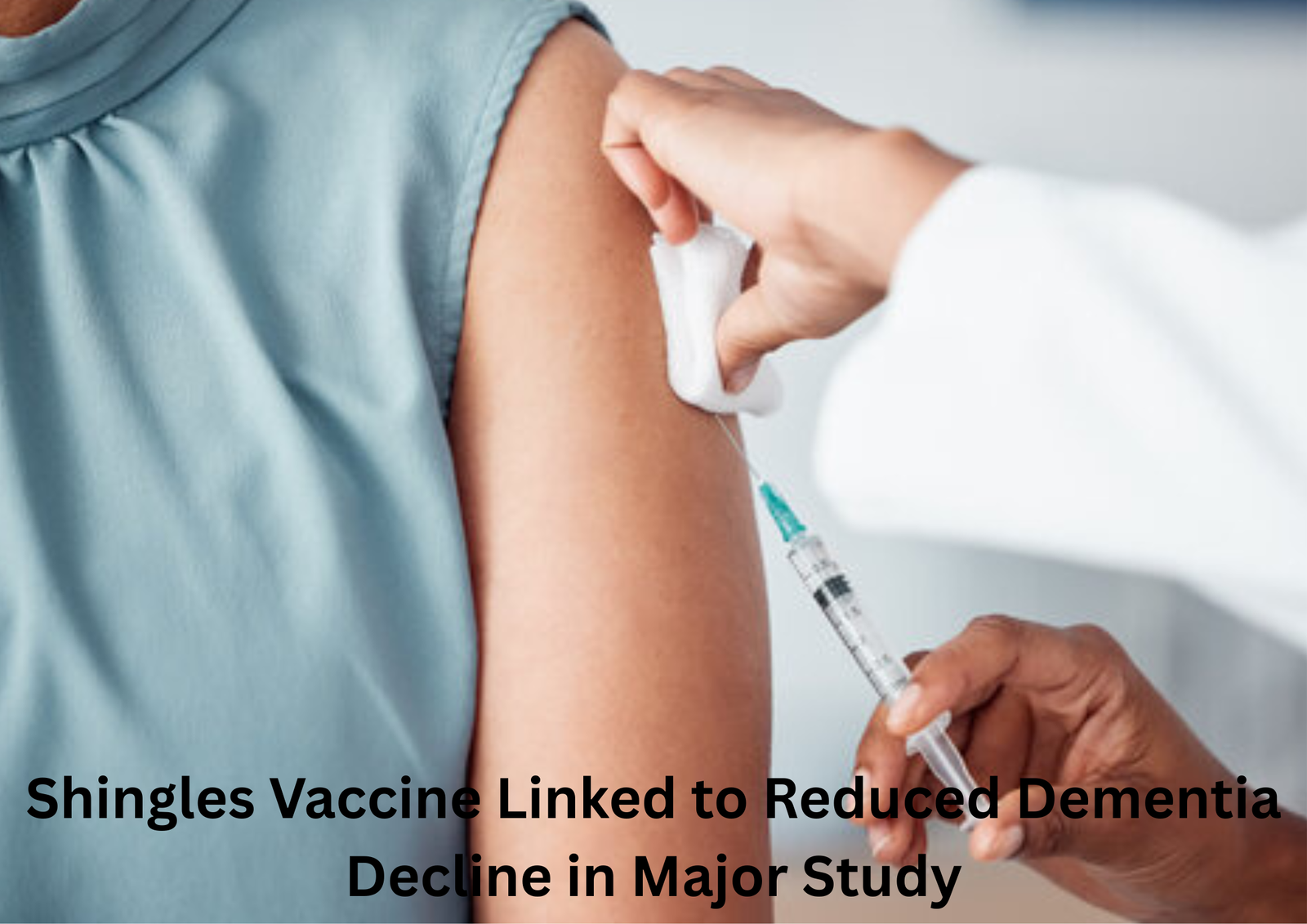
A large research project out of the United Kingdom has uncovered a notable link between the shingles vaccine and slower cognitive decline in older adults already diagnosed with dementia. The findings, published this week in The Lancet Healthy Longevity, are drawing global attention for suggesting that a commonly used vaccine may deliver unexpected neurological benefits.
The study, conducted by a team at Oxford University, examined anonymized health data from more than 280,000 people in Wales who were aged 71 to 88 and living with dementia. Researchers tracked patient records for up to seven years, comparing the progression of symptoms between those who received the recombinant shingles vaccine after their diagnosis and those who did not.
According to the analysis, vaccinated individuals experienced a 20 percent slower shift into severe dementia. While the study did not prove a direct cause-and-effect relationship, experts say the scale of the research makes the association difficult to overlook.
Scientists suggest a potential biological explanation: the virus behind chickenpox and shingles can remain dormant in the brain for decades. When it reactivates, it may trigger inflammation and damage to blood vessels-processes believed to accelerate cognitive decline. Preventing viral flare-ups, the authors propose, might reduce this added burden on the brain.
Dr. Pascal Geldsetzer, one of the study’s senior researchers, emphasized that these early findings must be tested through controlled clinical trials. Such studies would determine whether administering the shingles vaccine to people with dementia could truly slow the disease’s progression.
The research primarily examined people who received Shingrix, the widely recommended recombinant vaccine. Notably, the older live vaccine Zostavax did not show the same trend. The potential benefit appeared across various dementia types, including Alzheimer’s disease and vascular dementia.
Health experts who were not involved in the study reacted with measured optimism. A 20 percent slowdown in progression, they noted, would be a significant development-especially for a vaccine already known to be safe and widely accessible. Still, they stress that vaccination guidelines should not change until stronger, trial-based evidence emerges.
For now, the shingles vaccine continues to be recommended for older adults to protect against shingles itself, a painful condition that can lead to lasting nerve complications. But this new research adds to a growing body of work exploring how infections, inflammation, and immune responses might influence the course of neurodegenerative diseases.
As the global population ages, scientists say discoveries like this highlight the importance of looking beyond traditional drug treatments in the search for ways to slow dementia’s progression.