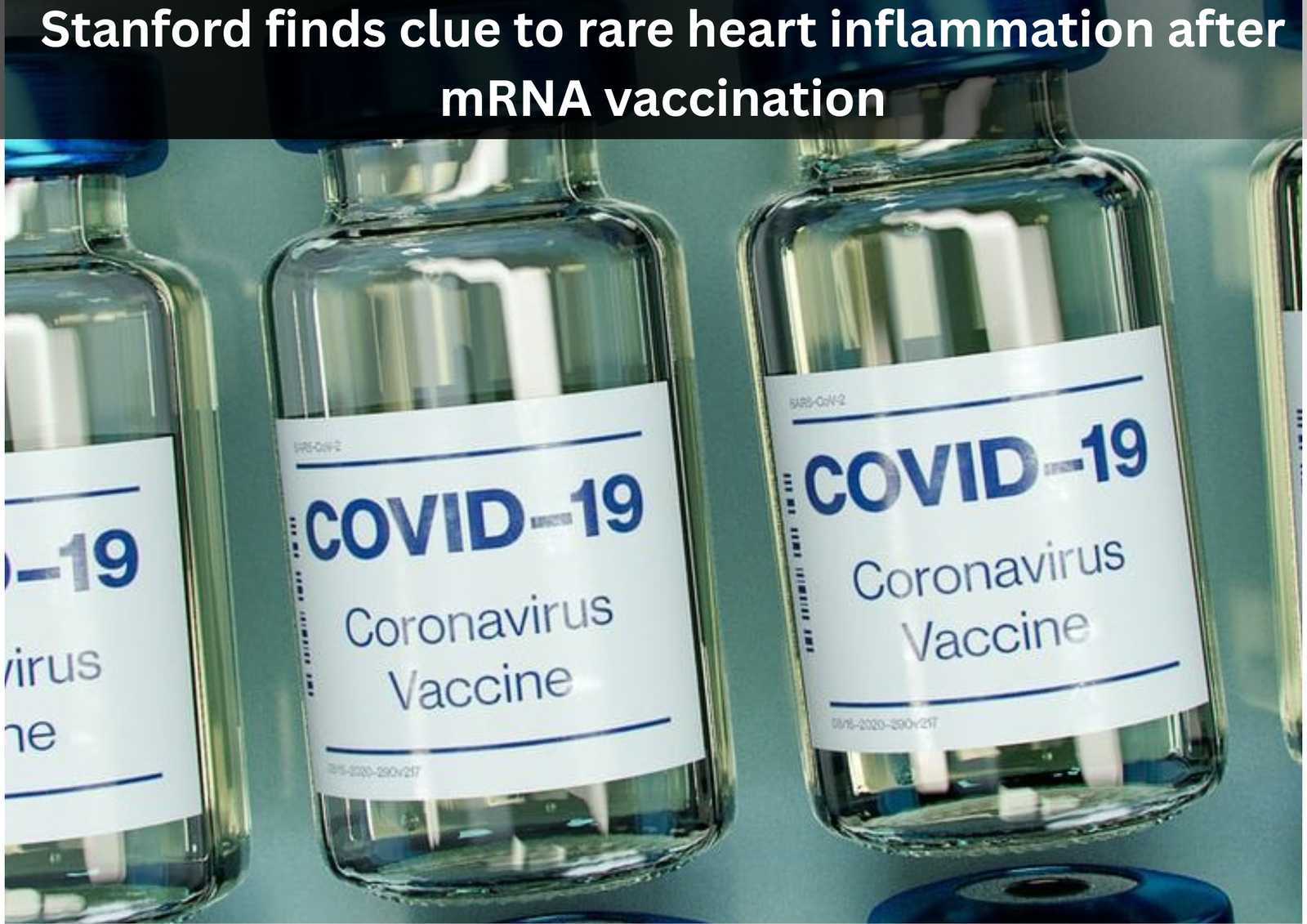
A new study led by researchers at Stanford University has uncovered a potential explanation for the rare myocarditis cases observed after mRNA COVID-19 vaccination. The findings, published this week in a leading medical journal, shed light on the specific immune signals that appear to drive the temporary inflammation seen in a very small number of vaccine recipients.
Two Key Cytokines Stand Out
The research team analyzed data from earlier vaccine studies and discovered that two immune molecules-CXCL10 and interferon-gamma-were consistently elevated in individuals who developed myocarditis shortly after vaccination. These cytokines surged within the first two days after immunization, which matches the typical timing of symptoms such as chest discomfort, shortness of breath, or heart palpitations.
According to the study, CXCL10 guides immune cells toward inflamed tissue, while interferon-gamma helps activate the body’s antiviral defenses. When the two molecules were introduced to lab-grown human heart cells, researchers observed subtle disruptions in the cells’ normal rhythmic contractions.
Potential Treatments Show Early Promise
To investigate whether blocking these cytokines could prevent inflammation, scientists tested targeted antibodies in both mouse models and engineered human cardiac tissue. In both cases, signs of stress on the heart were reduced, including lower levels of cardiac troponin-an indicator of heart injury.
The team also explored the use of genistein, a compound found in soybeans that mimics certain effects of estrogen. Because myocarditis occurs more often in young males, researchers theorized that estrogen-related pathways might play a protective role. Genistein showed modest success in reducing inflammation in early experiments, though the concentration used was much higher than standard supplements.
Myocarditis Remains Extremely Rare
Public health experts underscore that this side effect is exceedingly uncommon. Current data indicate that myocarditis occurs in only a few dozen cases per million doses among young men, and even fewer among other age groups. By comparison, COVID-19 infection itself has been associated with a far higher rate of myocarditis, often with more severe symptoms.
Most vaccine-related cases are mild, resolve quickly, and respond well to rest and medical observation.
Experts Call the Findings an Important Breakthrough
Cardiologists not involved in the study praised the research as a valuable step toward understanding a phenomenon first identified in 2021. While more work is needed to determine exactly why mRNA vaccines elicit these specific immune signals in rare circumstances, the study provides a promising framework for future investigations and potential therapies.
Some specialists also noted that adjusting the spacing between vaccine doses could further reduce risk, as preliminary data suggest that longer intervals may lower inflammatory responses.
Next Steps and Ongoing Safety Monitoring
Researchers emphasized that their findings come from laboratory-based models and will require clinical trials before any treatment approaches can be considered for real-world use. They also stressed that the study should not be interpreted as evidence against vaccination. Instead, the goal is to refine scientific understanding to make next-generation vaccines even safer.
Despite ongoing political debate around mRNA technology, medical experts continue to affirm that vaccines remain one of the strongest tools for preventing severe illness and saving lives.