
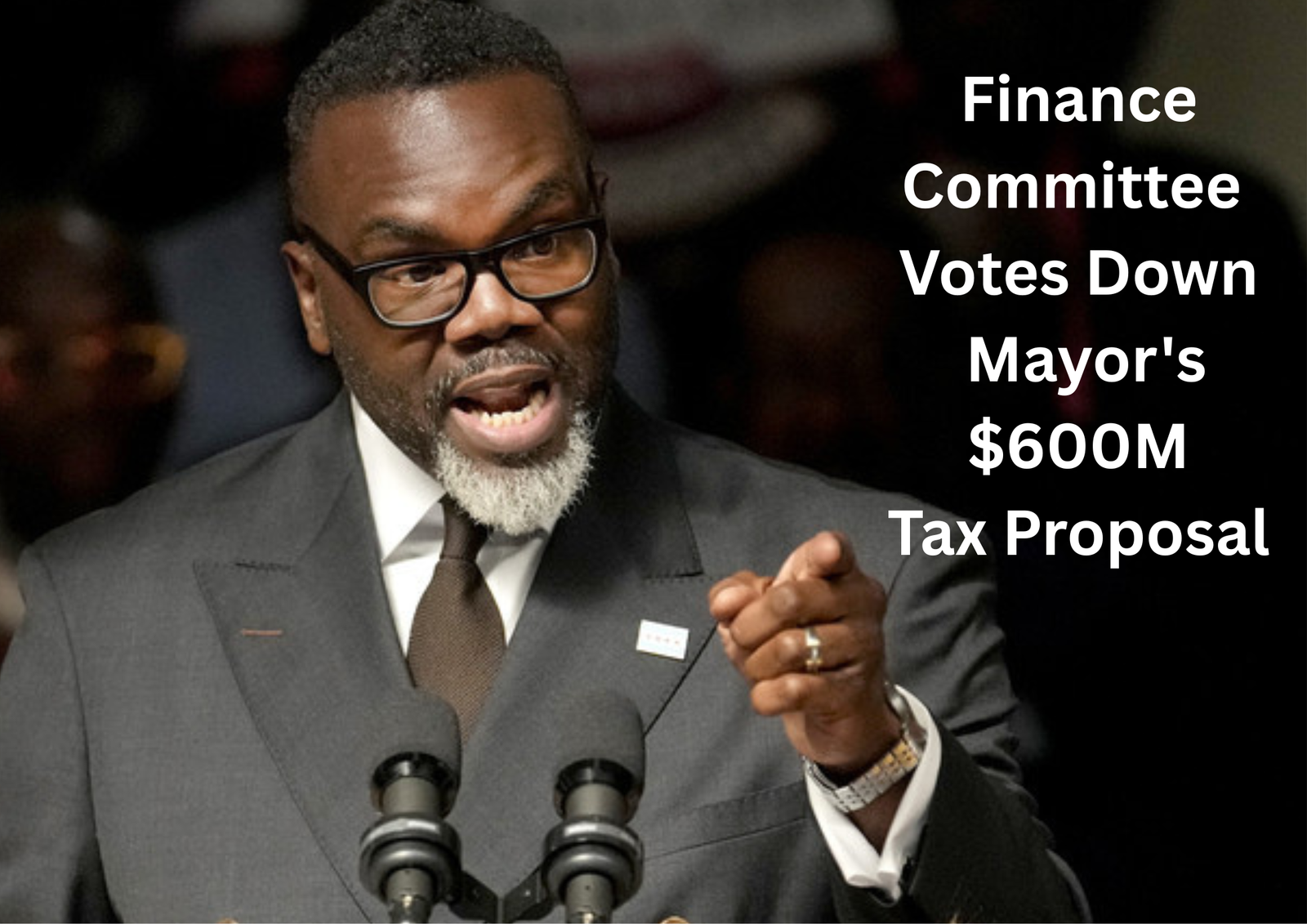
Chicago’s long-running budget negotiations hit a major roadblock this week after the City Council’s Finance Committee voted down Mayor Brandon Johnson’s proposed $600 million revenue package, halting progress on the city’s 2026 spending plan. The committee’s 25–10 vote on November 17 marked a rare and significant rebuke of a sitting mayor, effectively delaying the full council’s scheduled budget decision until at least next month.
The rejected proposal sought to raise new revenue through several tax measures, including reinstating a corporate head tax, increasing the real estate transfer tax on high-value properties, and boosting the hotel tax. Mayor Johnson had argued that the additional funds were essential to maintain public services and support citywide initiatives addressing homelessness, mental health care availability, and community safety.
Instead, the vote exposed deep divisions within the council. Several progressive aldermen joined moderates and business-aligned members in opposing the plan, raising concerns about the overall tax burden on residents and employers. The corporate head tax, in particular – which would have charged large companies $21 per employee each month – drew criticism from those warning it could discourage business growth.
With the Finance Committee’s rejection, the planned November City Council vote on the city’s proposed $16.6 billion budget has been postponed. The delay gives the Johnson administration additional time to negotiate revisions and attempt to build a workable coalition before presenting an updated plan in December.
The setback marks the first time in decades that a Chicago mayor’s budget package has failed to clear the initial committee stage. As the city heads into another round of negotiations, the administration faces growing pressure to craft a revenue strategy that can bridge ideological differences and secure enough support to move the 2026 budget forward.