
A new wave of diplomatic friction has erupted between China and Japan after a high-profile meeting in Tokyo involving a senior Japanese lawmaker and Taiwan’s top representative. The exchange has triggered a chain reaction of political reprisals, military movements, and renewed debate over security dynamics in East Asia.
Tension Sparks After Unofficial Taiwan Meeting
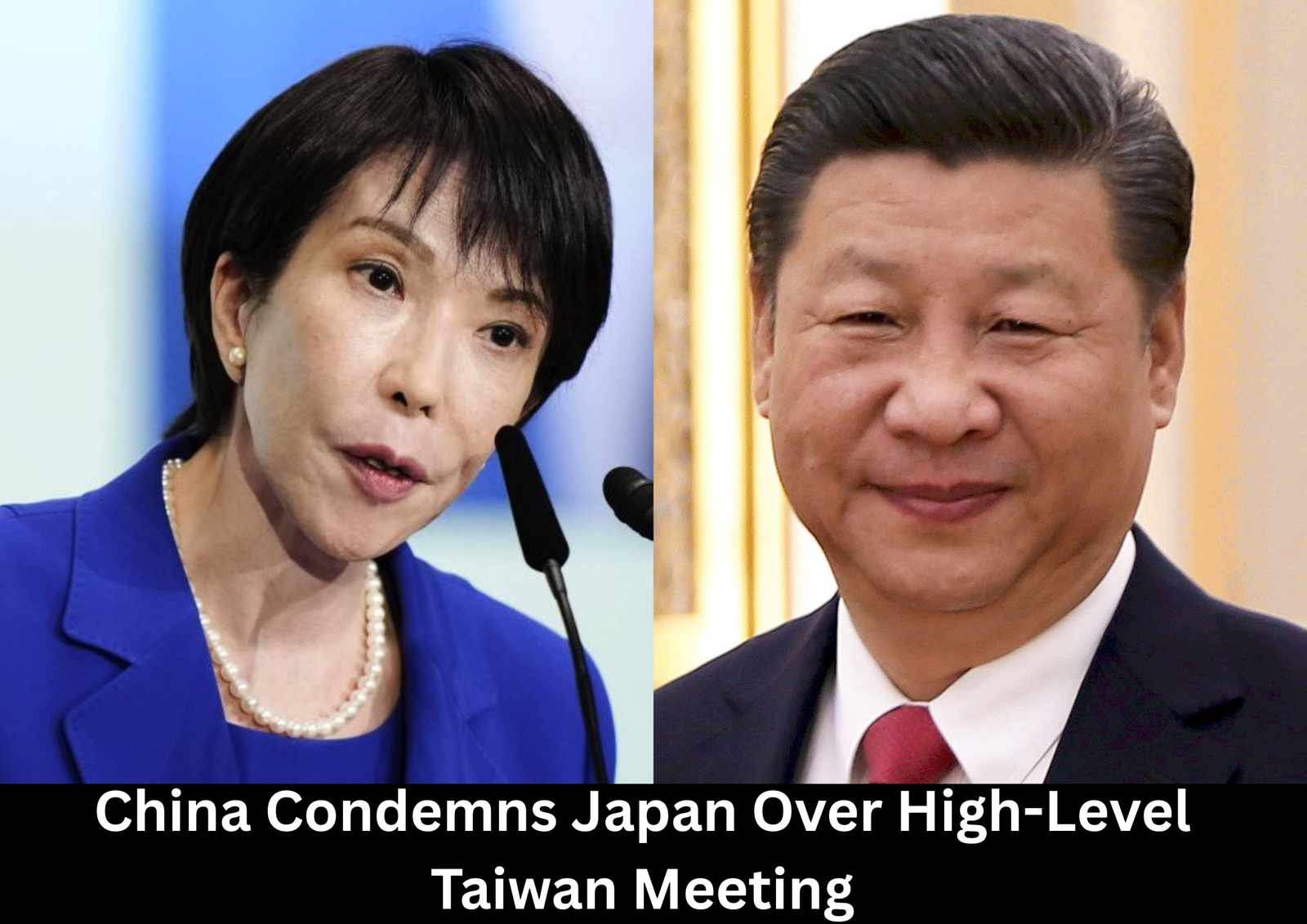
Tensions between the two neighboring nations escalated rapidly after Japan’s Sanae Takaichi stated in parliament that a Chinese assault on Taiwan would constitute a national emergency for Japan, potentially justifying a military reaction from Tokyo.
China Lodges Protest and Imposes Sanctions
China’s Ministry of Foreign Affairs summoned Japan’s ambassador in Beijing soon after, delivering a formal complaint. Beijing then announced personal sanctions against Takaichi, barring her from entering mainland China as well as Hong Kong and Macao. Chinese officials described the measure as necessary to protect national sovereignty.
Japan Responds with Countermeasures
Tokyo rejected the sanctions as inappropriate and retaliated with undisclosed entry bans against several Chinese nationals. While Japanese authorities have not revealed the individuals affected, officials emphasized that the country “will not tolerate coercive diplomatic pressure.”
Military Maneuvers Increase Regional Anxiety
As diplomatic tensions escalated, China launched large-scale military drills in the Western Pacific. The Shandong aircraft carrier strike group moved through the Miyako Strait near Okinawa, prompting Japan’s Ministry of Defense to monitor the fleet with F-15 fighter jets and maritime patrol units. Analysts warn that the close military activity raises the possibility of miscalculation between both sides.
Political Ripples Inside Japan
The confrontation has boosted Takaichi’s political standing, reinforcing her reputation as a tough voice on national security. Conservative factions within the ruling Liberal Democratic Party see the incident as proof of Japan’s need for stronger defense capabilities. The standoff has also renewed domestic discussions about the risks of Japan’s economic dependence on China.
Beijing Reaffirms Position on Taiwan
Chinese state media and government officials repeated that Taiwan remains an integral part of China, accusing Tokyo of “provocation and interference.” Beijing cautioned that any show of support for Taiwanese autonomy would be seen as a direct threat to regional stability and the foundation of China-Japan relations.
A Wider Strategic Context
The diplomatic clash unfolds as Japan continues expanding security cooperation with the United States and regional partners such as the Philippines. Experts describe the situation as a dangerous strategic standoff, with both nations unwilling to appear weak in the face of mounting geopolitical rivalry. Observers warn that a single misunderstanding in the East China Sea or Taiwan Strait could escalate into a broader confrontation.