

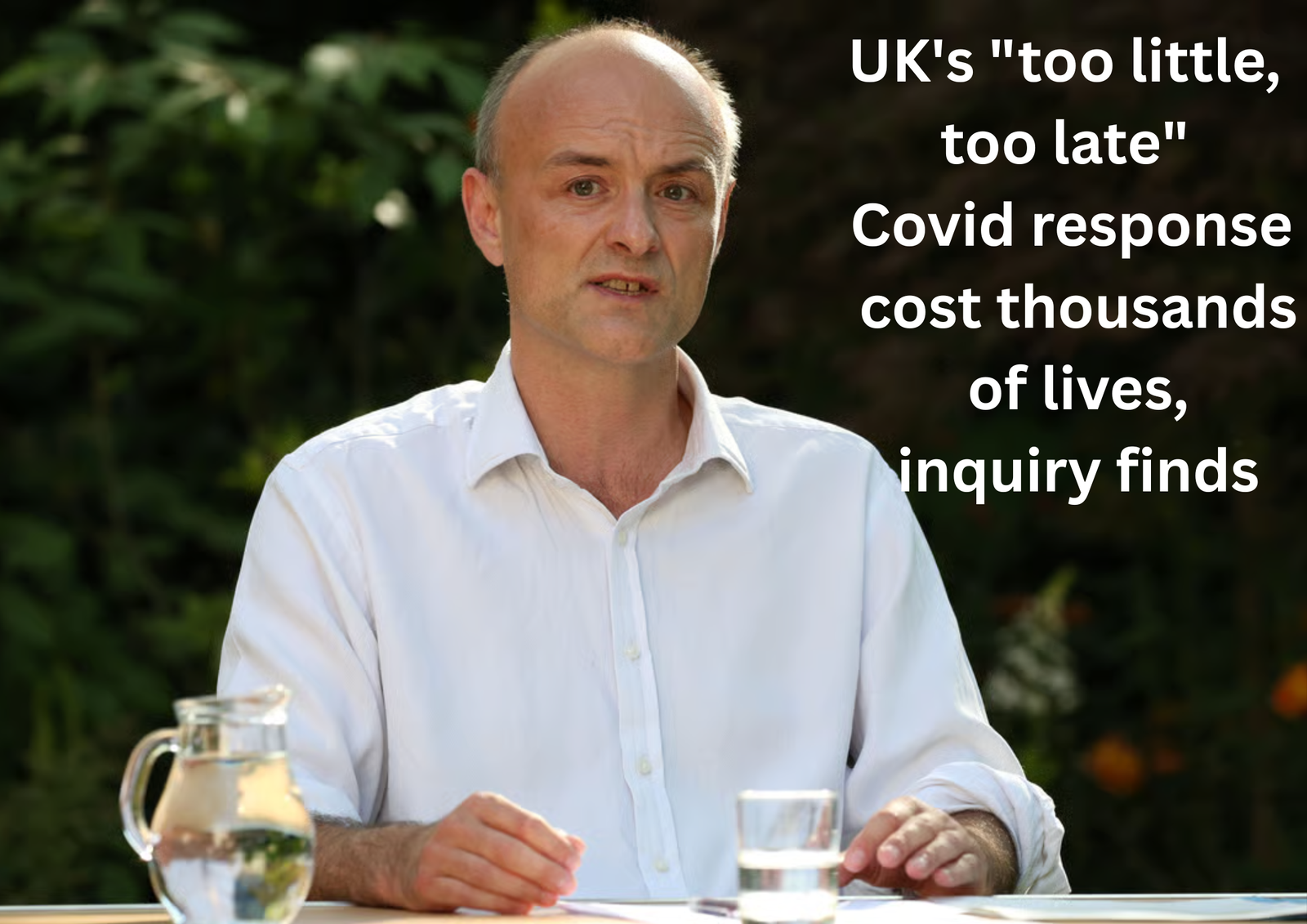
A landmark investigation into the United Kingdom’s handling of the COVID-19 pandemic has delivered a stark verdict: widespread government failures and disorganized leadership contributed to the loss of thousands of lives that might otherwise have been saved.
The report, released on 20 November 2025 after years of testimony and document review, paints a picture of an administration unprepared for a crisis of this magnitude. The inquiry found that Britain entered the pandemic with an emergency framework designed almost exclusively around influenza, leaving officials ill-equipped to respond to a fast-spreading coronavirus. This blind spot, investigators said, delayed crucial decisions at the very moment swift action was needed.
According to the findings, early hesitation in enforcing national restrictions and building an effective testing system allowed infections to surge unchecked. The panel stated that a more coordinated strategy during the first months of 2020 would likely have prevented a significant portion of the deaths recorded during the initial wave.
The report also highlighted details from high-profile witnesses, including former government adviser Dominic Cummings, who described an atmosphere of confusion inside Downing Street. He testified that key meetings were repeatedly postponed and scientific warnings often brushed aside, creating what he called a “chaotic” environment at the heart of the government’s pandemic response.
Following the publication, a government spokesperson issued an official apology, acknowledging that the early reaction to the unfolding crisis “fell short of what the public had every right to expect.” The statement added that the recommendations outlined by the inquiry will be examined closely to strengthen the nation’s readiness for future emergencies.
Beyond its criticism, the report lays out a detailed plan urging the UK to modernize its crisis-management systems, improve communication channels between scientific advisers and policymakers, and ensure that pandemic preparedness is treated as a long-term national priority.
The findings have triggered renewed debate across the country, with lawmakers, health experts, and families of victims calling for deep reforms to ensure that the failures documented in the report are not repeated.