
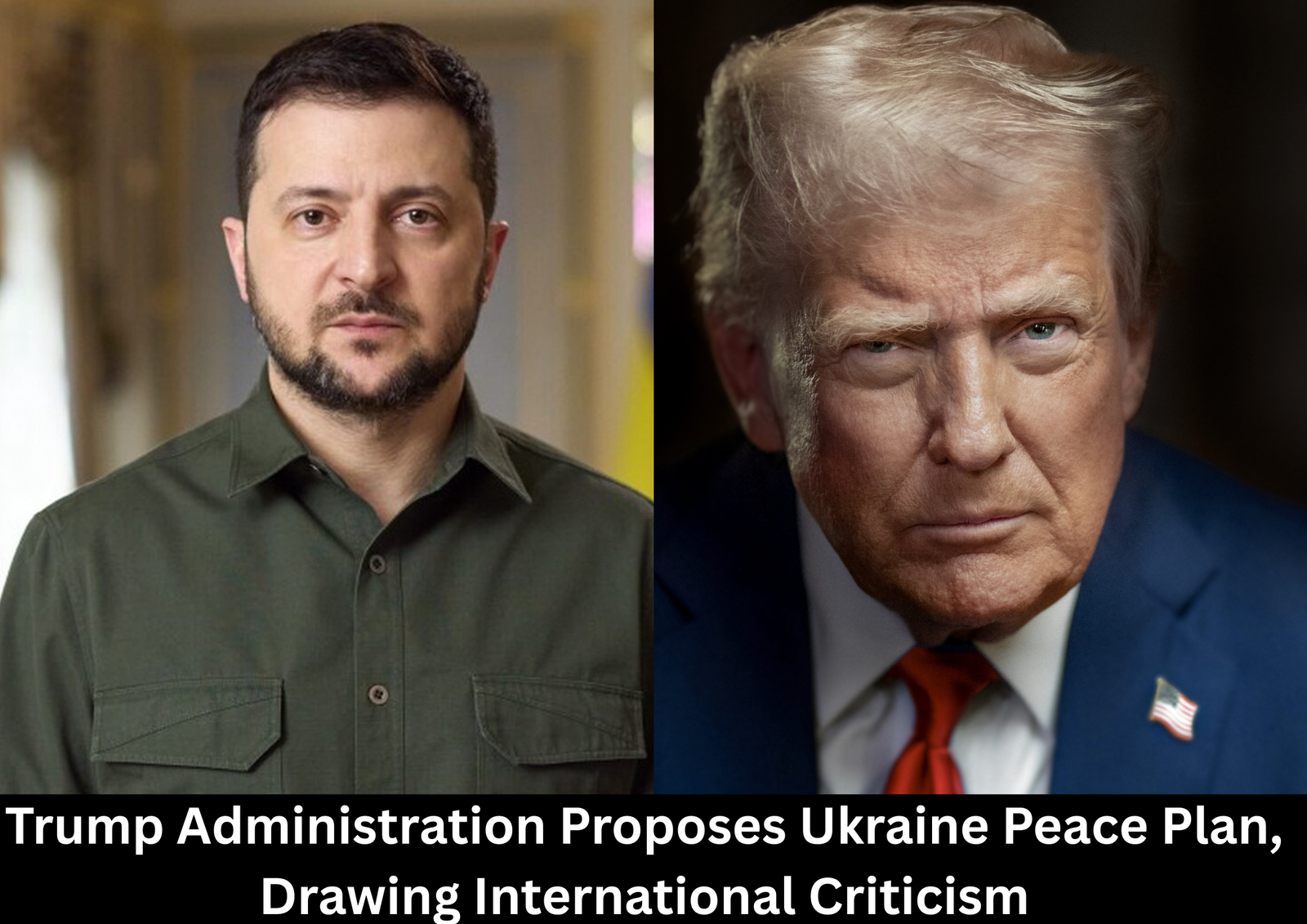
The Trump administration has unveiled a sweeping proposal aimed at ending the war between Ukraine and Russia – a move that has triggered immediate alarm across European capitals and within Kyiv. The plan, quietly shared with U.S. allies and Ukrainian officials over the past week, calls for a ceasefire along the current battle lines, effectively leaving Russia in control of nearly one-fifth of Ukraine’s territory.
According to senior Western officials familiar with the document, the proposal would also require Ukraine to drop its longstanding ambition of joining NATO and instead accept permanent neutrality. In exchange, Russia would participate in internationally mediated peace talks and comply with a phased easing of Western sanctions, contingent on verified steps toward de-escalation.
European leaders reacted with shock, with several diplomats privately describing the plan as a “strategic surrender” that would reward Moscow for its invasion. Ukrainian officials were equally blunt in private conversations, calling the framework “a bitter compromise” that undermines the country’s sovereignty and sacrifices the security guarantees it has sought since the start of the conflict.
President Volodymyr Zelensky has publicly refused to consider any agreement that does not align with his established 28-point peace formula – which includes a full Russian withdrawal and restoration of Ukraine’s internationally recognized borders. For many in Kyiv, the proposed framework represents a dramatic departure from that position.
Inside Washington, the plan reflects a broader shift in the administration’s approach to the conflict. U.S. officials have reportedly pressed Ukraine to view the proposal as the “best deal available,” while hinting that continued American support cannot be guaranteed indefinitely. The message has raised concerns among European allies who fear the United States may be preparing to scale back military assistance, potentially leaving Ukraine with fewer options at the negotiating table.
The peace initiative is also part of a deeper, ongoing dialogue between Washington and Moscow. Several of these discussions, conducted through unconventional diplomatic channels, have bypassed traditional U.S. national security structures – fueling worries about transparency and strategic direction.
Analysts say the proposal highlights a widening divide between the United States and Europe over how to confront Russia’s aggression and ensure long-term security in the region. For many European leaders, the plan signals a major recalibration of U.S. foreign policy that could reshape the geopolitical landscape for years to come.
While the administration argues that the proposal offers a realistic path to ending a prolonged and devastating war, critics warn that its terms could embolden Moscow and weaken the international order that has governed European security for decades.
As Ukrainian officials continue to assess the implications of the plan, global attention remains fixed on how this high-stakes diplomatic push could alter the trajectory of a conflict that has reshaped international politics since 2022.