

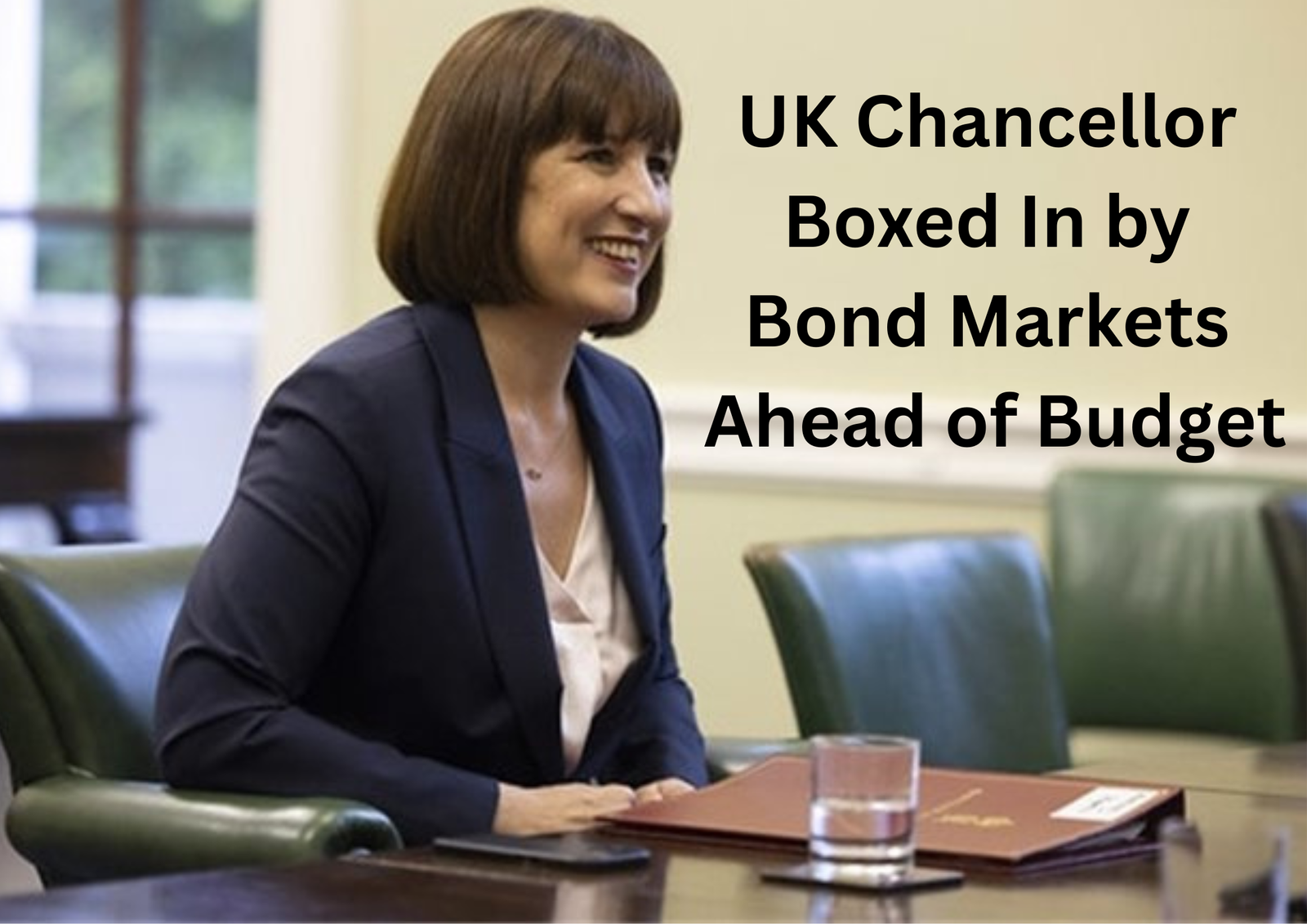
Chancellor Rachel Reeves enters one of the most challenging weeks of her tenure as she prepares to unveil a closely watched budget under the glare of global financial markets. Investor anxiety has already pushed UK borrowing costs higher, setting the tone for a tense economic showdown.
Over the past several days, yields on 10-year government bonds surged past the 5% mark – their highest level since mid-summer. Analysts say the rise signals growing concern about the scale of government borrowing required to support the Chancellor’s forthcoming fiscal agenda. Several Treasury insiders privately acknowledge that markets are effectively imposing a ceiling on how much room the government has to spend, with the jump in yields described by one official as “unhelpful at a sensitive moment.”
Political pressure intensified after a series of early leaks hinted at possible spending cuts, including potential adjustments to universal credit and pension commitments. The early disclosures, intended to demonstrate a disciplined approach to public finances, instead sparked criticism from MPs and advocacy groups. Economists have suggested that the leaks reflect the government’s limited room for maneuver, especially with a reported £22 billion gap in public funding driven partly by rising interest costs on national debt.
Financial analysts note that global markets are bracing for the budget’s release, with some warning that the UK could face further turbulence if the plan fails to convince investors of its long-term credibility. A poorly received package risks triggering a sell-off in gilts, pushing borrowing costs even higher. Conversely, a budget that demonstrates control and stability could help ease pressure on the pound and provide breathing space for the economy.
The Labour government, which took office in July 2024, continues to grapple with what many economists describe as the toughest fiscal landscape in decades. Independent assessments suggest the government may need to secure billions in either spending reductions or tax increases to prevent national debt from climbing higher as a share of GDP. With ministers already ruling out rises in income tax, national insurance, and VAT, options for raising revenue remain limited.
As the Chancellor prepares to deliver her remarks, the stakes could not be higher. The government must reassure international investors while balancing domestic expectations, campaign promises, and the realities of strained public finances. The reaction of the bond market – immediate and unforgiving – will reveal whether the budget has struck the right balance or added further uncertainty to the UK’s economic path.