

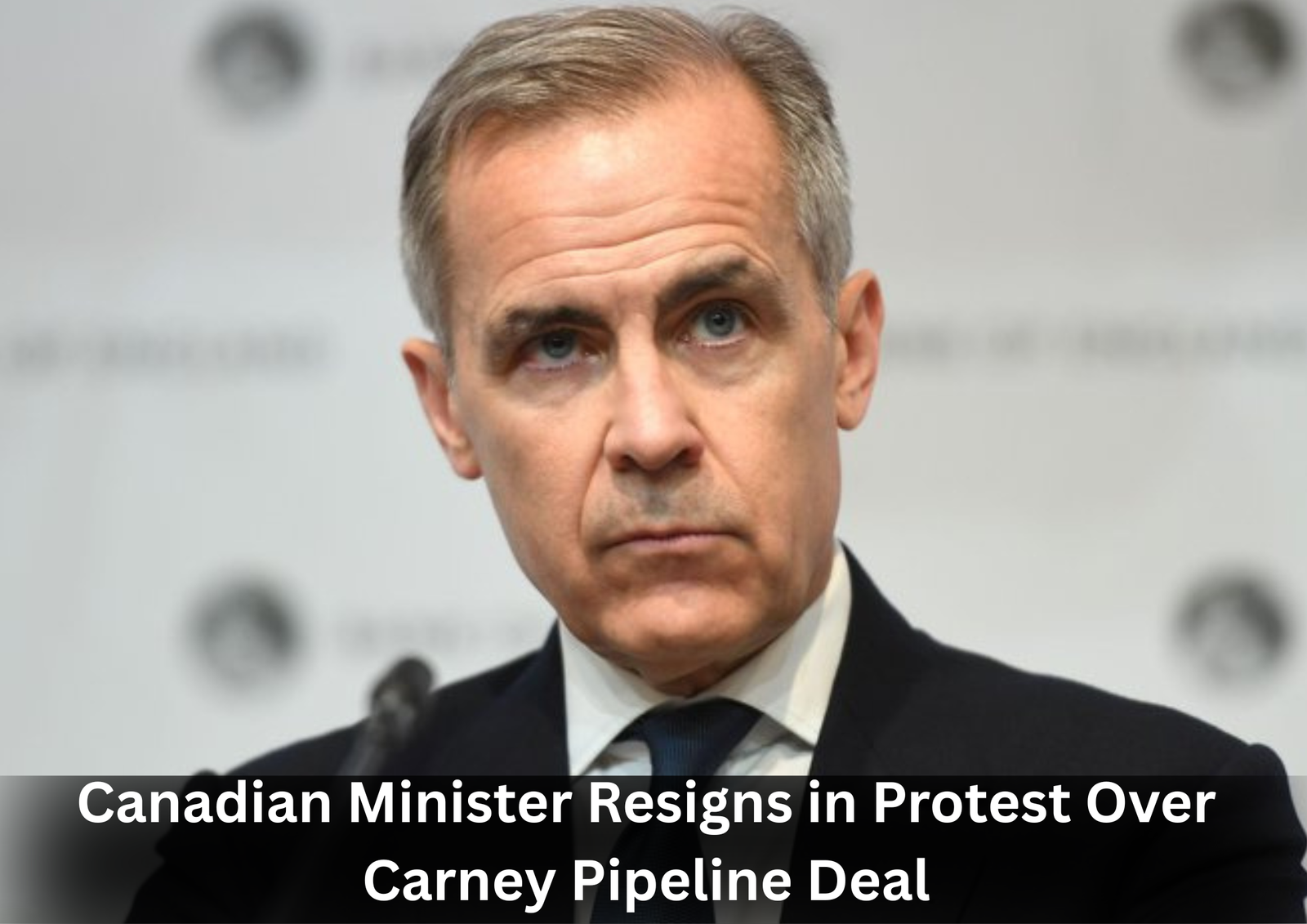
The Canadian federal government has approved a major pipeline expansion in Alberta, setting off political shockwaves in Ottawa and marking a historic financial agreement with several First Nations communities. The decision, announced Thursday, has already reshaped both national climate politics and the ongoing debate around Canada’s energy future.
The approved project includes the construction of new pipeline sections and the revival of an older, currently inactive line. Federal officials said the expansion was part of a larger compromise negotiated with Alberta’s provincial government. In exchange for the project’s approval, Alberta agreed to support a national cap on oil and gas sector emissions – a key component of Ottawa’s climate strategy.
Prime Minister Mark Carney defended the decision, calling it “a difficult but necessary step” to secure long-term climate progress. He argued that the agreement gives Canada the rare ability to expand infrastructure while still pursuing its 2030 emissions goals and its target of a net-zero power grid by 2035.
However, the announcement also triggered an immediate cabinet resignation. A prominent environmental advocate within the federal cabinet stepped down only hours after the decision was made public. In his resignation letter, he described the approval as a “heavy disappointment” and said the move “contradicts the principles I have fought for throughout my career.” He warned that the project risks weakening Canada’s credibility on global climate action.
Alongside the approval, the pipeline company revealed a landmark partnership with 21 First Nations across Alberta. The parties have signed a memorandum of understanding granting the communities a collective equity stake in the project. The ownership deal is expected to generate billions in revenue over the coming decades. One Indigenous leader involved in the negotiations called the agreement “a path to real, long-term prosperity” and emphasized that it finally positions First Nations as “partners, not bystanders, in energy development.”
Despite the economic optimism surrounding the agreement, environmental organizations have strongly criticized the expansion. Several groups argued that building new fossil fuel infrastructure undermines Canada’s climate commitments. Concerns have also been raised about the project’s potential impact on sensitive wetlands located near the proposed pipeline route.
As construction timelines are finalized, the federal government faces mounting pressure from both supporters and critics. The approval marks one of the most consequential energy decisions in recent years – one that may shape Canada’s environmental and economic landscape for decades to come.