
The Trump administration held a series of high-level national security meetings on Monday to evaluate growing instability in Venezuela, following fresh intelligence reports indicating unusual military movements inside the country. Senior officials described the situation as increasingly complex, with regional governments now monitoring developments closely.
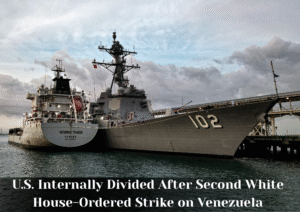
According to a U.S. defense official familiar with the briefings, American intelligence has tracked the repositioning of Venezuelan army units, including armored vehicles and specialized ground forces. While the intent behind the deployments remains unclear, officials characterized the activity as significant enough to warrant urgent interagency review.
Monday’s primary meeting brought together the Secretary of Defense, the Secretary of State, the National Security Advisor, and the Chairman of the Joint Chiefs of Staff. A second session, held separately, included the Director of National Intelligence, underscoring the administration’s effort to obtain a comprehensive assessment before considering any policy decisions. Officials stressed that no military action is currently under consideration and that the discussions centered solely on evaluating scenarios and identifying diplomatic or economic response options.
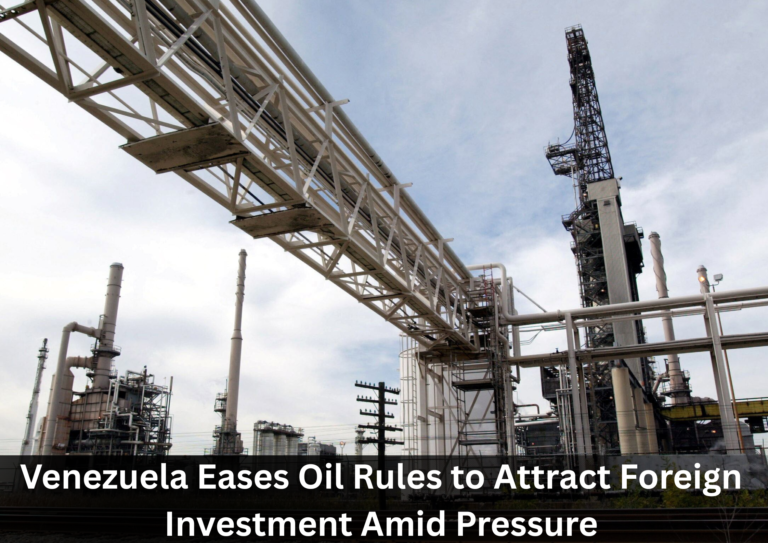
Venezuela’s strategic relevance has long made it a focal point for U.S. policymakers. The country holds some of the world’s largest proven oil reserves and maintains close ties with U.S. adversaries including Russia, China, and Iran. Beyond energy and geopolitics, officials note that Venezuela’s prolonged economic collapse has fueled illegal migration routes, transnational drug networks, and political unrest throughout Latin America, shaping the region’s security environment.
The new military activity has drawn quick reactions from neighboring states. Colombia elevated its armed forces to a higher alert level, reinforcing troops along its extensive shared border with Venezuela. Brazil also voiced concern, warning that escalating tensions could spill over and destabilize parts of northern South America.
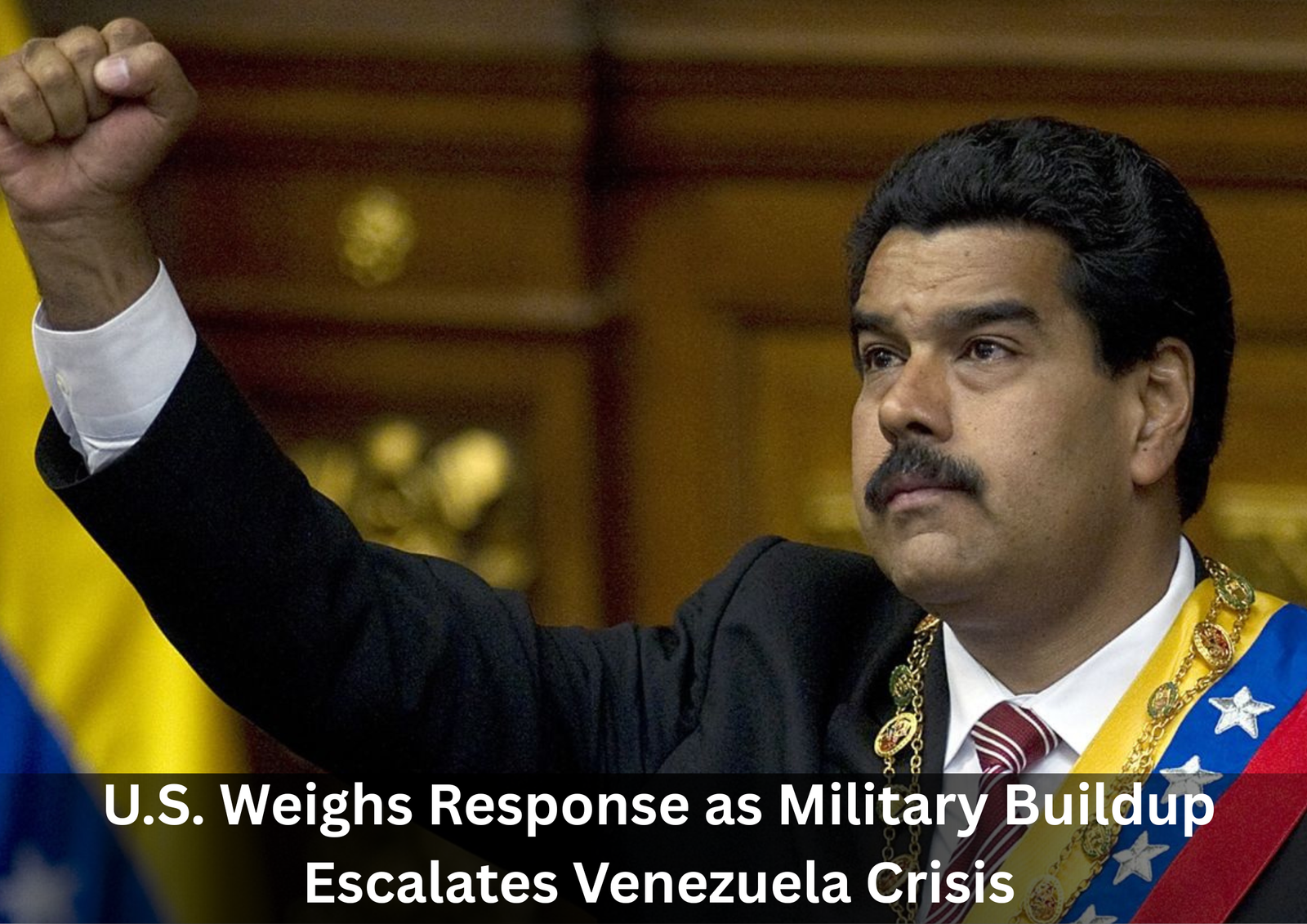
The developments come after years of turmoil under President Nicolás Maduro, whose hold on power has been widely contested since his disputed 2018 re-election. Despite international pressure and sanctions, Venezuela’s political institutions remain fractured, and the country continues to face deep humanitarian and economic challenges.
For now, U.S. officials say they are focused on gathering additional intelligence and coordinating with regional partners. The administration is expected to continue monitoring the situation closely in the coming days as analysts work to determine whether the recent troop movements represent routine internal maneuvers or a shift with broader regional consequences.