
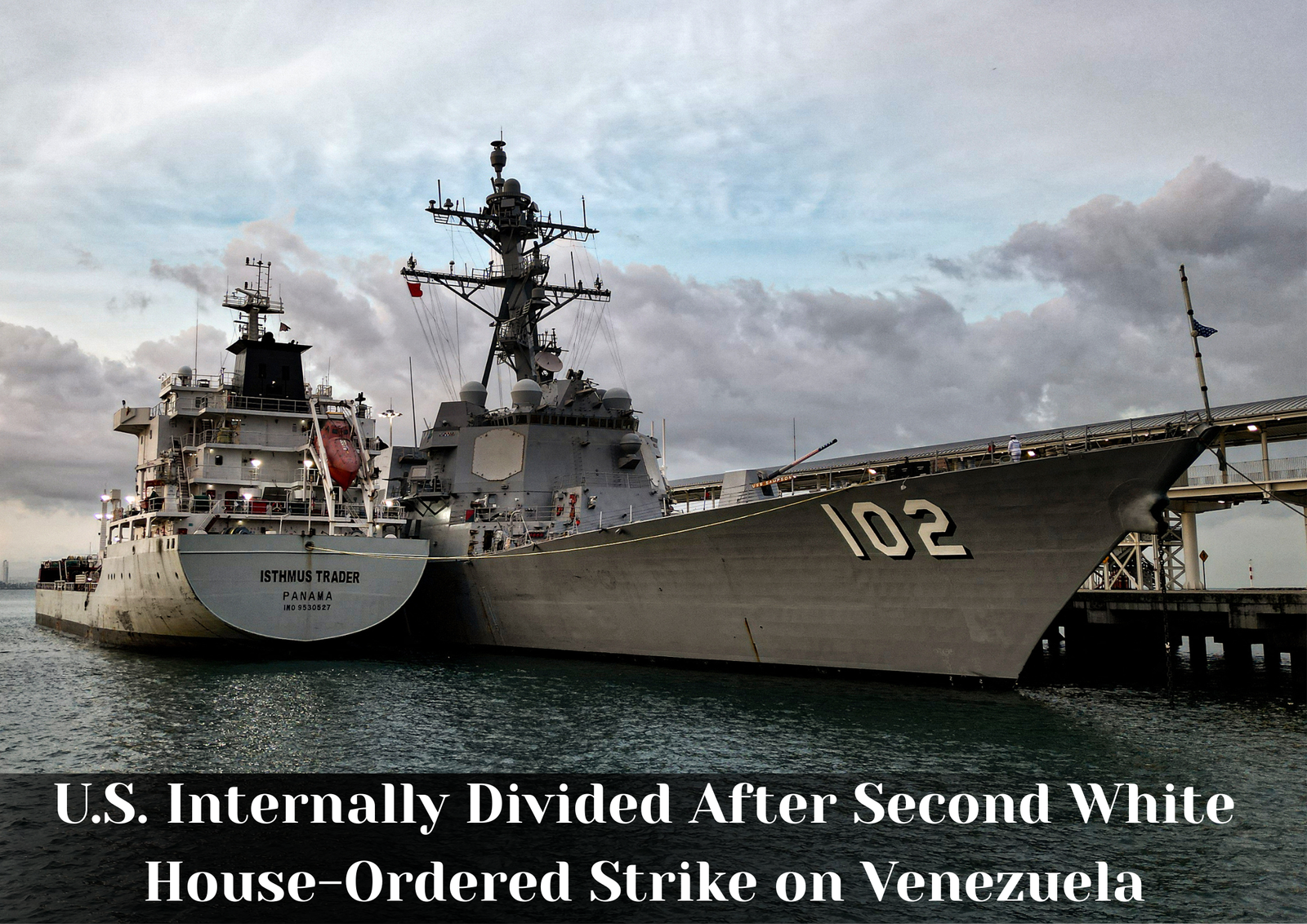
The White House has confirmed that U.S. forces carried out a second strike against Venezuelan vessels in the Caribbean Sea, an operation that has triggered significant internal disagreement across the national security community. According to multiple senior officials, the decision for at least one of the strikes originated directly from Defense Secretary Pete Hegseth, bypassing several layers of traditional military and legal review.
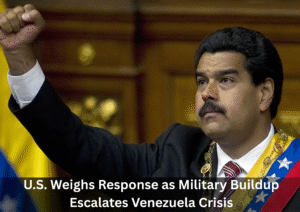
Spokesperson Karoline Leavitt acknowledged the operation on Monday, saying the targeted boats were linked to narcotics and terrorist networks aligned with Venezuelan President Nicolás Maduro. The administration maintains that the vessels posed an “active threat” to U.S. personnel conducting regional security missions.
However, officials at U.S. Southern Command tell a different story. Several officers who reviewed the intelligence reportedly raised concerns over the strength of the evidence and questioned whether the threat met the required standard for preemptive military action. Legal advisers from the Pentagon and Joint Staff also warned that the justification did not satisfy the established criteria for an imminent danger under international law.
Despite the objections, Hegseth is said to have issued a direct “kill order” from the White House Situation Room, instructing Southern Command to carry out the strike without the usual vetting processes. Standard procedure typically requires a comprehensive “strike package” review-something military officials say did not occur in this case.
The operation involved U.S. aircraft, including AC-130 gunships, which engaged multiple Venezuelan boats over several days. The Venezuelan government claims the attack resulted in multiple casualties, including the deaths of two naval officers, and has condemned the strikes as an “unprovoked act of aggression.”
President Trump, speaking over the weekend, praised the earlier strike and reiterated the administration’s tough stance against drug trafficking networks and the Maduro government. The U.S. does not recognize Maduro as Venezuela’s legitimate leader.
Inside Washington, the decision has sparked intense debate. Some officials argue the strike represents a dangerous departure from established military oversight, with critics calling the move “deeply troubling” and inconsistent with long-standing rules of engagement. Others fear the incident could escalate already strained relations between Washington and Caracas.
The episode marks a notable shift in how national security decisions are being made inside the administration, highlighting fractures between civilian leadership and the military establishment as U.S. involvement in the region continues to widen.