

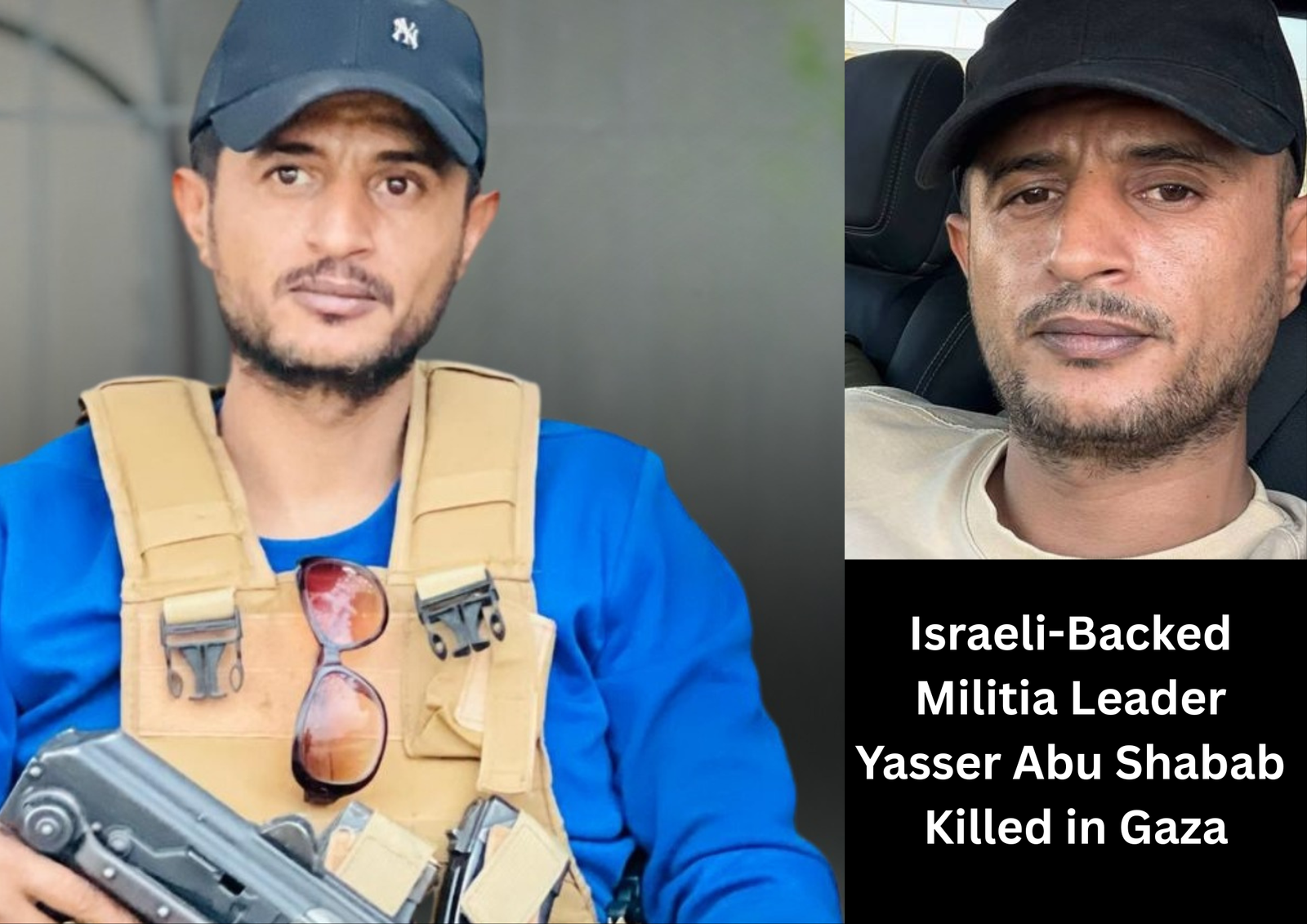
Yasser Abu Shabab, a prominent Palestinian militia commander who had been cooperating with Israeli forces in Gaza, was reportedly killed on Thursday, according to military officials and regional media outlets. His death removes one of the most visible figures in Israel’s strategy to cultivate local security partners in areas wrested from Hamas control.
Abu Shabab, previously a police officer in Gaza and long associated with the Fatah movement, emerged as a key leader after Israel launched its ground operations earlier this year. He headed a militia that assisted Israeli forces in securing neighborhoods, distributing humanitarian supplies, and maintaining order in parts of Gaza City. The initiative was intended to introduce a governing alternative to Hamas while ensuring aid reached civilians.
His position made him both influential and deeply polarizing. Israeli officials credited him with helping stabilize contested zones and facilitating the flow of aid during a period of severe humanitarian hardship. At the same time, Hamas and its supporters saw him as a collaborator aligned with Israel’s political and military interests.
Details surrounding his death remain unclear. Israeli sources confirmed the incident but did not disclose how or where he was killed. No faction has claimed responsibility, though analysts say the assassination highlights the fragility surrounding emerging local security structures in the territory.
Abu Shabab’s killing is widely viewed as a major setback to Israel’s experiment of supporting Palestinian militias to govern pockets of Gaza. The loss of such a high-profile commander raises new questions about the viability of local partnerships in an environment marked by competing loyalties, security threats, and ongoing conflict.
Regional observers note that the incident may further complicate Israel’s long-term plans in Gaza, where efforts to install alternative leadership have faced intense scrutiny and resistance. As tensions continue, the future of these militia networks – and the broader strategy behind them – remains uncertain.