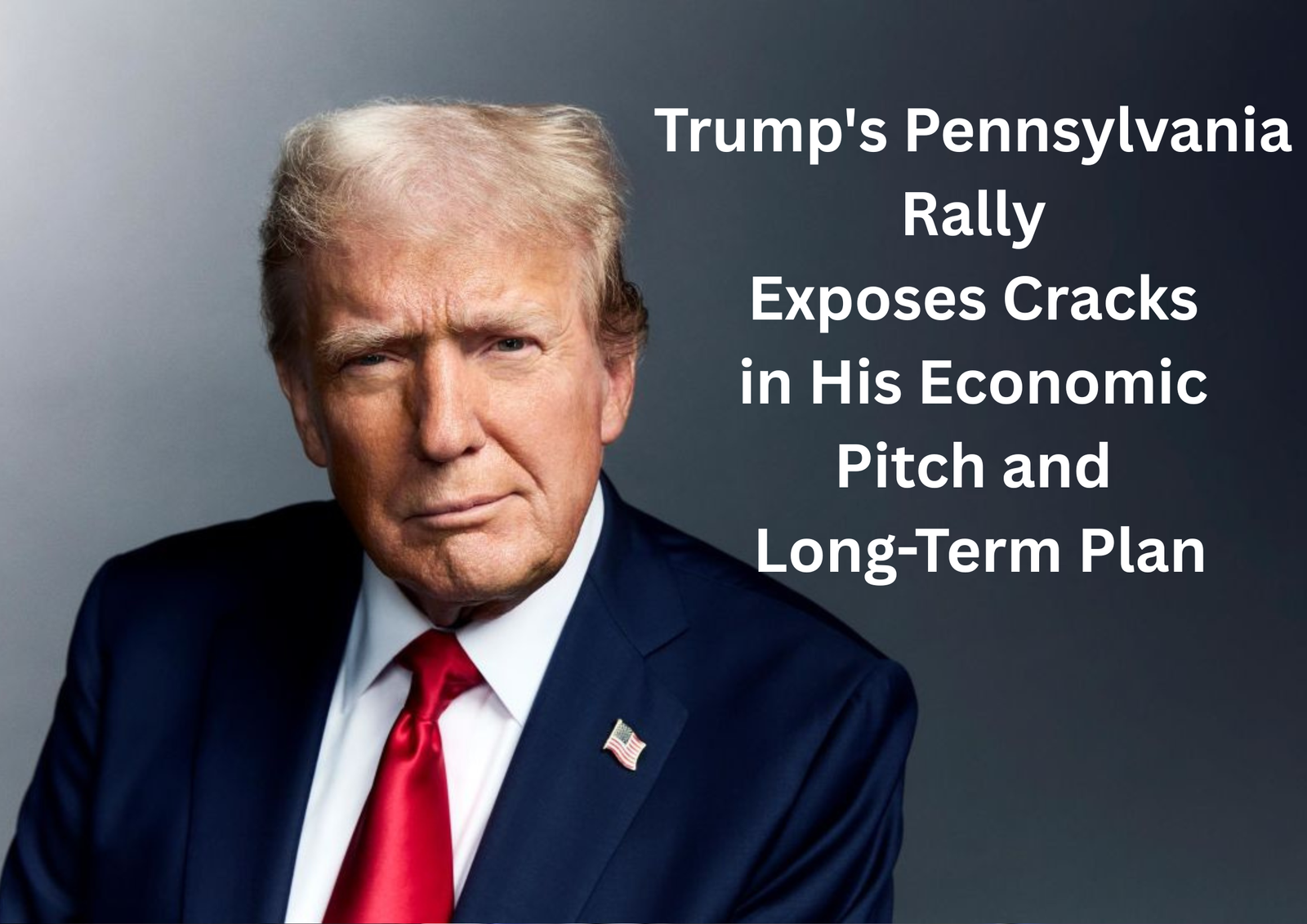
President Donald Trump’s return to the campaign stage in Mount Pocono, Pennsylvania, on Tuesday has triggered renewed scrutiny over his economic message, communication style, and political strategy heading into the 2026 midterm elections.
The rally, initially promoted as an event centered on rising living costs, quickly shifted away from that focus. Trump opened by promising to “make America affordable again,” but soon dismissed concerns about pricing pressures as exaggerated and politically motivated. At several points, he suggested Americans adapt to a simpler lifestyle, remarking that children could be content with “two or three toys” and proposing that families should be prepared to “forgo certain products” entirely.
Political analysts and advisers within his own party privately expressed alarm after watching the 90-minute speech. Critics pointed to moments of slow pacing, repeated digressions, and difficulty staying on message. Republican strategist Mike Murphy described the performance as a “low-energy appearance” that raised questions about Trump’s sharpness. The president later defended his health on social media, claiming he had excelled on cognitive tests and accusing the media of trying to undermine him.
The event also revived familiar controversies. Trump directed pointed criticism toward Democratic Rep. Ilhan Omar, including comments about her background and attire that drew swift rebukes from civil rights groups. He also revisited past remarks about immigration from certain nations, comments that previously sparked international backlash.
Adding to the concerns, the Pennsylvania venue-an indoor ballroom with a capacity of roughly 1,200-appeared noticeably underfilled, contrasting with the large crowds associated with Trump’s earlier campaigns. Strategists worry that such optics may complicate the party’s efforts to energize its voters in a challenging electoral climate.
Inside the White House, advisers face a strategic quandary. With Democrats performing well in recent local elections, Trump’s team had hoped a renewed focus on affordability would boost Republican momentum. Yet some aides acknowledge the difficulty of keeping the president on script or encouraging a more empathetic tone on economic hardship. As a result, other administration figures, including Vice President JD Vance, are expected to take a more prominent role in delivering the economic message in the coming months.
Recent polling underscores the urgency. A November survey from POLITICO/Public First reported that nearly half of Americans feel strained by basic expenses such as groceries, utilities, healthcare, and transportation. An AP-NORC poll showed only about one-third of respondents approve of Trump’s handling of the economy, and a majority believe his policies have not eased affordability concerns.
Despite the criticism, Trump maintains that his economic stewardship is unparalleled, citing slowing inflation and major investments announced during his term. A White House spokesperson emphasized policies such as tax relief for tipped workers and improving supply-chain efficiency as evidence that the administration is on the right track.
Democratic leaders quickly seized on the rally’s more provocative moments. Sen. Ruben Gallego mocked Trump’s suggestion that families scale back their expectations, while political observers noted that the event coincided with Democratic victories in recent off-year contests in Georgia and Miami-results many interpret as early indicators of the national mood.
Several Republicans, meanwhile, warn that Trump’s approach risks overshadowing the party’s broader goals. Former GOP strategist Rick Wilson argued that the event reflected a pattern in which Trump’s personal grievances eclipse policy priorities. Others fear the party’s electoral struggles since 2016 could continue if the messaging does not shift.
As Trump plans additional rallies heading into 2026, his Pennsylvania appearance has become a defining moment-one suggesting not a triumphant reboot, but a strategic gamble that may energize both supporters and opponents in unpredictable ways.