
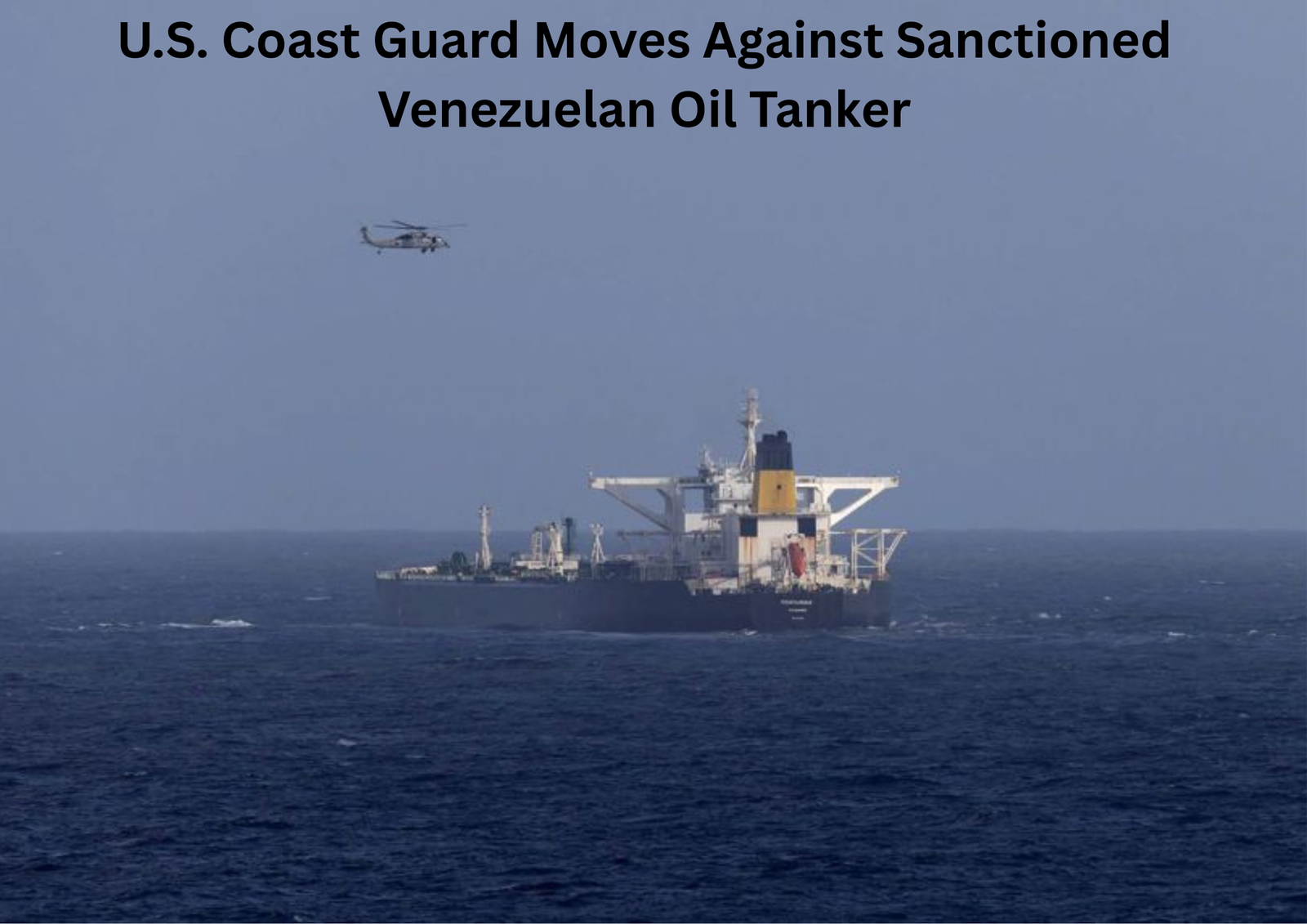
The United States Coast Guard has launched an active operation to intercept a sanctioned oil tanker operating in international waters close to Venezuela, according to U.S. government officials. The move signals a sharp escalation in Washington’s enforcement of sanctions targeting Venezuela’s oil trade and follows a series of recent maritime interdictions in the region.
Officials identified the vessel as Bella 1, a very large crude carrier that was placed under U.S. sanctions last year due to alleged links with Iran. Authorities say the tanker was sailing without cargo and was believed to be en route to Venezuelan waters to load oil when it was approached by U.S. forces. The ship reportedly did not comply with requests to submit to boarding and instead altered course away from the area.
U.S. officials allege that the Bella 1 is operating as part of what they describe as a “shadow fleet,” using deceptive shipping practices such as false registration details to bypass international restrictions. A judicial seizure order has reportedly been issued for the vessel as part of ongoing enforcement actions.
The pursuit comes just days after U.S. authorities seized another tanker off the Venezuelan coast that was allegedly transporting oil in violation of sanctions. That operation followed a separate seizure earlier this month involving a different large tanker that has since been escorted to U.S. waters. Together, the incidents represent an unusually intense period of maritime enforcement activity in the Caribbean.
Last week, President Donald Trump announced tougher measures aimed at stopping sanctioned oil shipments linked to Venezuela. He accused the Venezuelan government of using illicit oil revenues to support criminal activity and framed the new actions as necessary to protect U.S. national and economic security. The administration has described the strategy as a comprehensive effort to disrupt illegal oil movements by sea.
Venezuelan officials have strongly criticized the U.S. actions, calling them unlawful and provocative. Senior government figures in Caracas have accused Washington of seizing vessels without legal justification and have warned that the issue could be raised at international forums, including the United Nations. President Nicolás Maduro has insisted that Venezuela will continue exporting oil and has denounced U.S. policy as an attempt to exert political pressure.
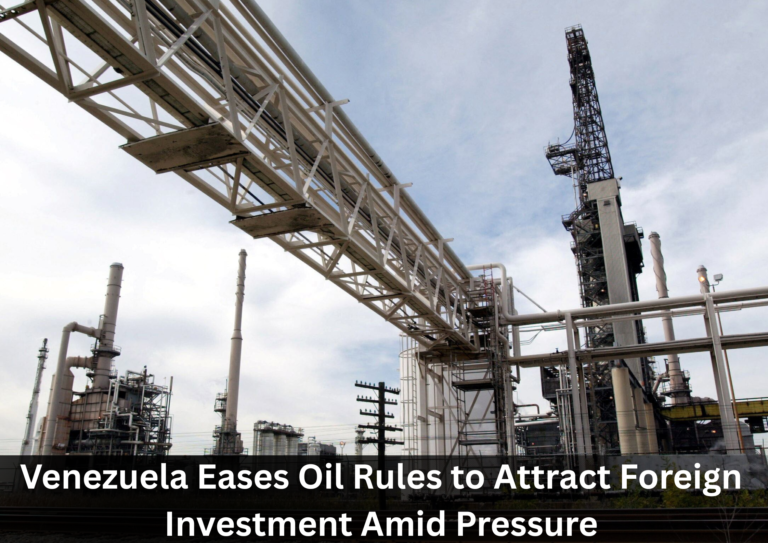
Energy analysts note that sustained disruptions to tanker traffic could significantly impact Venezuela’s oil exports, which remain a crucial source of revenue for the country. Reduced access to shipping could force production slowdowns if storage facilities become overwhelmed. Following reports of the latest U.S. action, global oil prices moved modestly higher in early trading, reflecting concerns over potential supply risks.
U.S. economic officials have sought to reassure consumers that the enforcement actions are unlikely to affect domestic fuel prices, emphasizing that the targeted shipments involve sanctioned and unauthorized oil trades rather than legitimate global supply chains.
As maritime monitoring continues, the situation underscores rising tensions in the Caribbean and highlights the growing role of naval enforcement in the enforcement of international sanctions.