

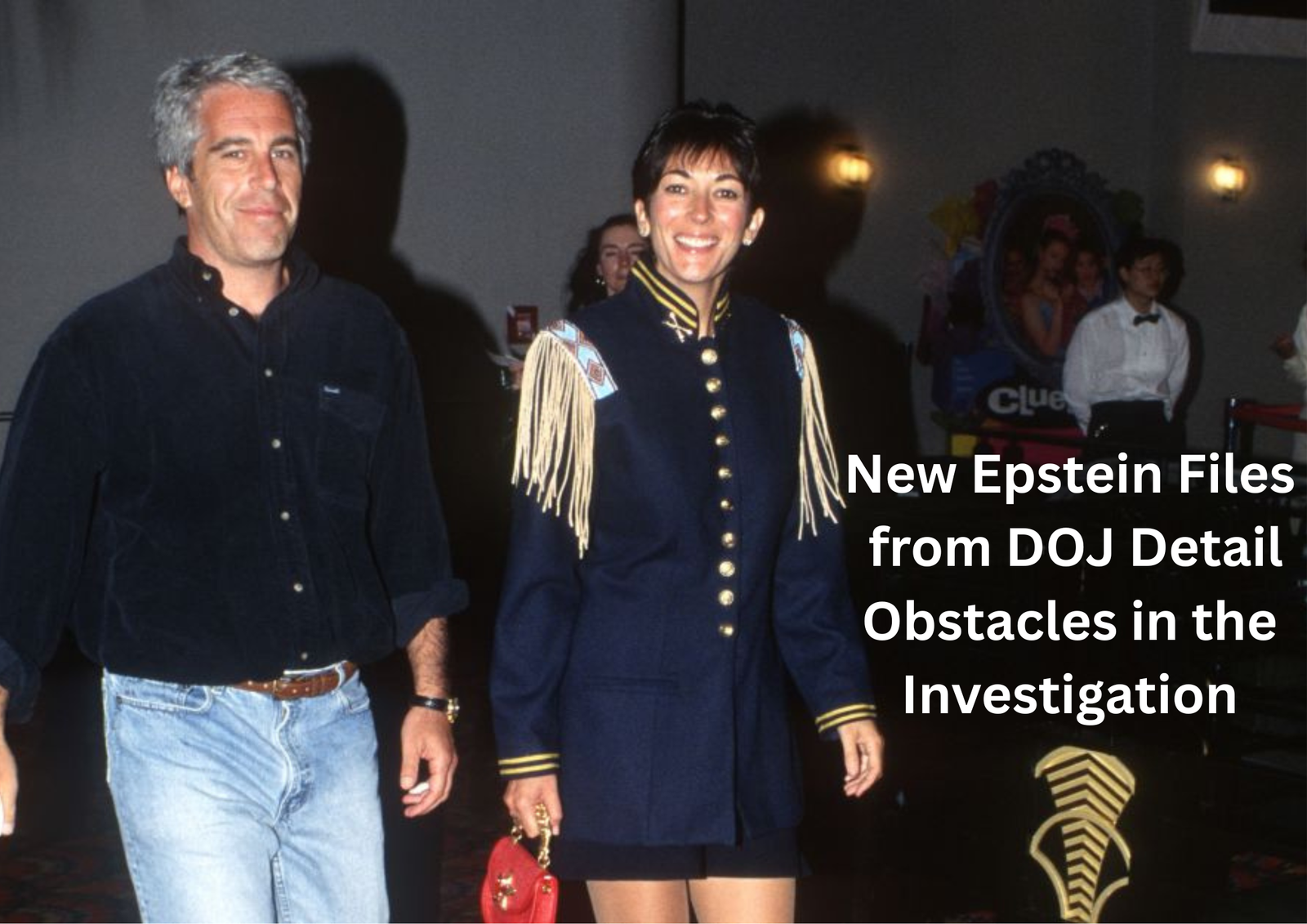
The U.S. Department of Justice has released a large new collection of documents connected to the late financier Jeffrey Epstein, shedding light on internal investigative communications, disputed materials, and the complexities surrounding one of the most scrutinized criminal cases in recent history.
The latest disclosure, which consists of tens of thousands of pages, is part of a congressionally mandated process requiring federal authorities to make Epstein-related records public. Officials have emphasized that the release includes a wide range of materials, from verified investigative notes to unsubstantiated tips and documents later determined to be false.
Among the newly published records are internal emails discussing historical flight logs connected to Epstein’s private aircraft during the 1990s. These records were reviewed by federal prosecutors while preparing the case against Epstein associate Ghislaine Maxwell, who was later convicted on sex trafficking-related charges. The documents reference several high-profile individuals but do not allege criminal wrongdoing by those named. Justice Department officials have reiterated that inclusion in records or logs does not imply illegal activity.
Federal prosecutors also documented efforts to identify potential additional individuals connected to Epstein’s activities. Internal correspondence from 2019 shows investigators discussing a group of possible co-conspirators and the logistical challenges involved in locating and serving subpoenas. Despite those efforts, the Justice Department later concluded that available evidence did not support bringing further criminal charges beyond those already pursued.
The document release also highlights the difficulties investigators faced in managing a high volume of tips submitted by the public. Some submissions included secondhand or anonymous allegations that were never corroborated. Officials noted that such materials were retained in federal files as required but cautioned against treating them as established facts.
One particularly notable document was a letter attributed to Epstein that surfaced shortly after his death in a New York jail in August 2019. Forensic analysis later determined the letter was fraudulent, citing inconsistencies in handwriting, incorrect return addresses, and conflicting postmark information. The Justice Department stated the forged letter underscored the risk of misinformation circulating during high-profile investigations.
Additional records reveal unusual items recovered during searches of Epstein’s properties, including a long-expired foreign passport bearing his photograph but a different name. Prosecutors noted that Epstein’s legal team claimed the document was obtained decades earlier for personal security reasons. Authorities found no evidence the passport had been used for criminal purposes.
The release also includes correspondence involving Epstein’s longtime associate Ghislaine Maxwell and prominent figures, offering further insight into the social networks surrounding Epstein. These communications were previously reviewed during Maxwell’s prosecution and were not central to her conviction.
Justice Department officials acknowledged criticism regarding redactions and the timing of the disclosures. Some names of investigators and third parties remain concealed to protect privacy and prevent harm to individuals not charged with crimes. Officials stated that additional documents may be released in stages to ensure compliance with victim protection laws.
Legal experts say the records illustrate the challenges prosecutors face when balancing transparency with responsibility. While public access to government records is essential, large-scale releases can include misleading or incomplete information that requires careful interpretation.
The Epstein case continues to prompt debate over accountability, investigative transparency, and the handling of sensitive criminal records. Federal authorities maintain that the document release is intended to fulfill legal obligations rather than draw new conclusions about past events.
As more materials become public, officials urge readers to distinguish between verified findings and unproven claims, emphasizing that official court outcomes remain the most reliable measure of legal responsibility.