
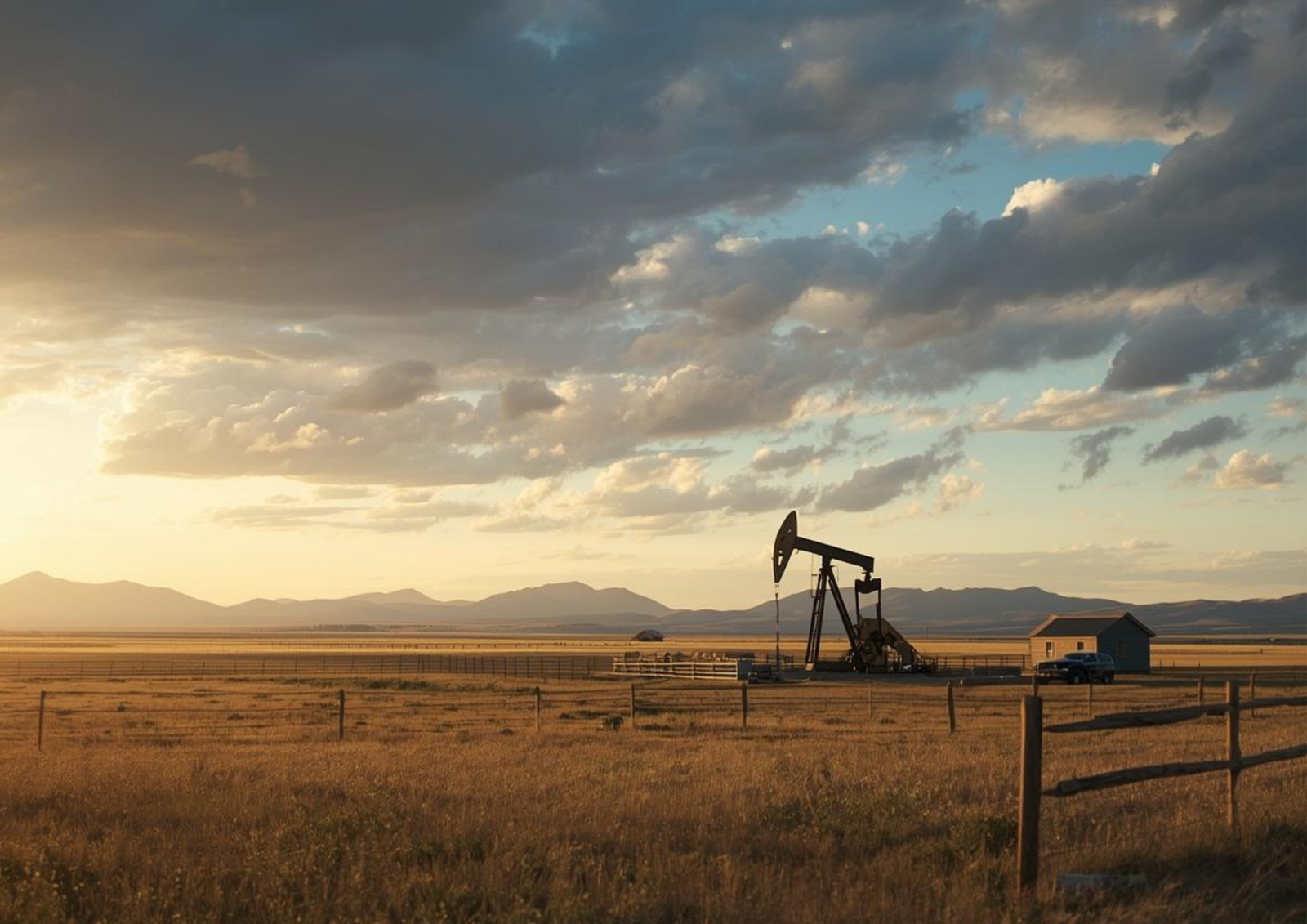
As energy prices stabilize in 2026, Wyoming oil and gas royalties are quietly becoming a critical source of income for landowners and communities across the state. While national headlines focus on large oil producing regions, Wyoming continues to benefit from steady production that generates consistent royalty payments month after month.
For many residents, these royalties are not speculative investments. They are reliable income streams that help cover rising living costs, support family farms and ranches, and contribute to local economic stability during uncertain times.
What Makes Wyoming Oil and Gas Royalties Different
Oil and gas royalties allow mineral rights owners to earn income without paying drilling or operational expenses. Once production begins, royalty owners receive a percentage of revenue based on their lease agreement.
In Wyoming, royalty rates commonly range between 12.5 percent and 25 percent. Because much of the production comes from long established wells, payments tend to be more predictable than in regions driven by rapid drilling cycles.
How Royalty Payments Are Calculated
Royalty checks are influenced by several factors, including production volume, energy prices, and lease terms. A strong pricing month can significantly increase payments, while lower prices may reduce them.
Key factors that affect royalty income include:
- Daily oil or gas output
- Market price at the time of sale
- Lease royalty percentage
- Transportation or processing deductions if permitted
Understanding these variables helps owners anticipate income changes and plan ahead financially.
Growing Interest From Investors and Buyers
In recent months, mineral rights buyers have increased outreach to Wyoming royalty owners. Many residents report receiving offers to sell their mineral rights for a one time payment.
While selling can provide immediate cash, experts often advise caution. Royalties can generate income for decades, especially when wells remain productive. Once mineral rights are sold, future income is permanently transferred to the buyer.
Economic Benefits Beyond Individual Owners
Wyoming oil and gas royalties also contribute to public funding. Revenue supports schools, road maintenance, and local government services through state and federal allocation programs.
Local officials note that this funding is especially important in rural areas, where alternative revenue sources are limited. Stable royalty income helps communities maintain essential services without raising local taxes.
Challenges Royalty Owners Should Watch For
Despite the benefits, royalty ownership can come with challenges. Common issues include unclear lease language, fluctuating deductions, delayed payments, and inherited mineral rights with incomplete records.
Professionals recommend that owners:
- Review royalty statements regularly
- Keep copies of lease agreements
- Track production using public records
- Seek guidance before selling mineral rights
These steps can help protect income and avoid costly misunderstandings.
What the Outlook Looks Like for 2025 and Beyond
Energy analysts expect Wyoming’s oil and gas sector to remain steady rather than rapidly expanding. Existing wells will likely continue to be the primary source of royalty income, providing long term benefits to landowners and local governments.
For many residents, Wyoming oil and gas royalties represent more than energy revenue. They offer financial stability, support local communities, and reinforce the state’s long standing connection to responsible resource development.