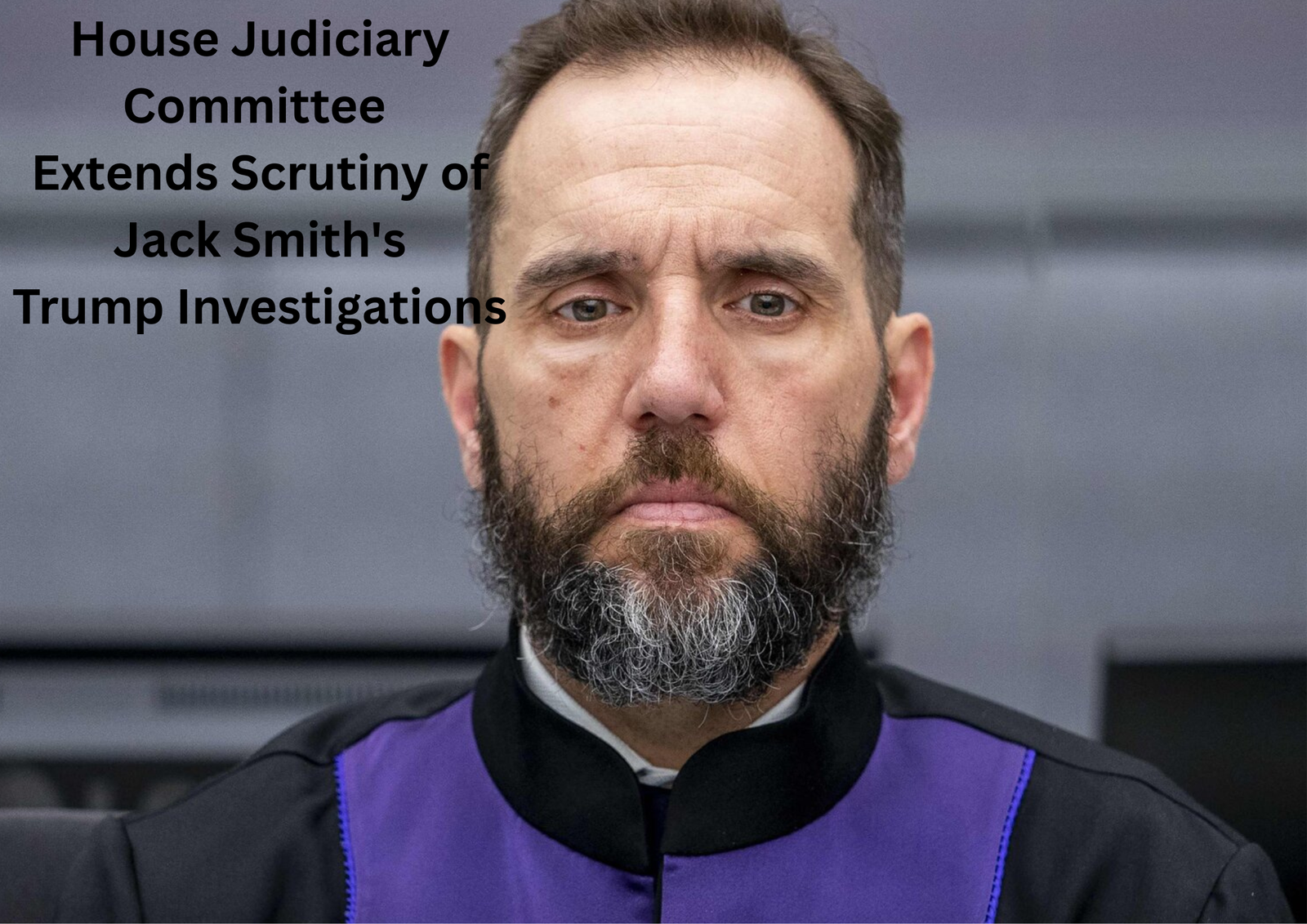
Special Counsel Jack Smith appeared before the House Judiciary Committee for an extensive closed-door deposition this week, marking a rare and politically charged moment in the ongoing congressional oversight of high-profile federal investigations involving President Donald Trump.
The testimony, which stretched for more than five hours, took place on December 31, 2025, and was conducted under oath following a subpoena issued by the Republican-led committee. Lawmakers used the session to question Smith about the scope, timing, and independence of his investigations related to the January 6, 2021, Capitol breach and the handling of classified government documents.
A Rare Appearance by a Sitting Special Counsel
Smith’s appearance before lawmakers was notable given the traditional separation between ongoing federal prosecutions and congressional inquiry. Accompanied by members of his legal team, the special counsel answered questions from both parties, while carefully navigating legal and ethical boundaries tied to active court proceedings.
According to individuals familiar with the session, Smith emphasized that his role has been guided strictly by evidence and statutory obligations, rather than political considerations. Throughout the deposition, he reiterated that prosecutorial decisions were made based on investigative readiness, not electoral calendars or partisan pressure.
Focus on Timing and Decision-Making
A significant portion of the questioning centered on why federal indictments against Trump were filed in 2023, a timeline that some Republican lawmakers argue overlaps too closely with the 2024 presidential election cycle. Committee members pressed Smith on whether political impact was considered during charging decisions.
Smith rejected that framing, explaining that the investigations required extensive evidence review, coordination with grand juries, and interviews with a large number of witnesses. He noted that complex cases involving national security and election processes demand careful preparation to meet legal standards.
Independence From the Justice Department
Another key area of inquiry involved Smith’s relationship with the Department of Justice and Attorney General Merrick Garland. Lawmakers questioned whether senior administration officials influenced prosecutorial strategy or outcomes.
In response, Smith stated that while procedural updates were shared as required under Justice Department regulations, decision-making authority remained solely with his office. He described the special counsel structure as intentionally designed to operate independently, particularly in cases involving former executive branch leaders.
Classified Documents Investigation Addressed
The committee also examined investigative actions connected to classified materials found at Trump’s Mar-a-Lago residence. Smith confirmed that any searches conducted were authorized through the court system and based on evidence presented to a judge.
He declined to provide operational details, citing ongoing legal proceedings and the need to protect sensitive information. Legal experts note that such restraint is consistent with prosecutorial ethics during active cases.
Contrasting Political Perspectives
Democratic members of the committee used their questioning to underscore the seriousness of the allegations at the center of the investigations. They highlighted concerns related to election integrity and national security, framing the probes as essential to upholding the rule of law.
Republican lawmakers, meanwhile, expressed skepticism about the investigations’ motives, suggesting they reflect broader concerns about federal power and political accountability. The exchange reflected deep partisan divisions that continue to shape public debate around the Trump cases.
Public Rhetoric Adds to Tension
The deposition occurred against a backdrop of heightened political rhetoric. In the days leading up to the hearing, Trump publicly criticized Smith on social media, characterizing the investigations as politically motivated. Some of these arguments were echoed during the committee session, further intensifying the atmosphere.
Supporters of the special counsel, however, argue that congressional scrutiny should not interfere with independent legal processes, warning that excessive politicization risks undermining public confidence in the justice system.
Ongoing Legal Proceedings Remain Unresolved
As of the conclusion of Smith’s testimony, the federal cases against Trump remain active but delayed. Appeals related to presidential immunity and other procedural challenges continue to move through the courts, with no trial dates currently scheduled.
Smith declined to speculate on future timelines, reiterating that judicial processes must proceed at their own pace. He also refrained from answering questions that could potentially influence jurors or impact pending rulings.
Transparency Versus Process Protection
While the committee has not announced plans to release a full transcript of the deposition, partial summaries have emerged through media reporting. Lawmakers from both parties continue to debate how much of the testimony should be made public, balancing transparency with the protection of legal proceedings.
Legal analysts suggest that Smith’s appearance may set a precedent for future interactions between Congress and special counsels, particularly in cases involving politically prominent figures.
A Defining Oversight Moment
The extended deposition highlights the growing intersection of law, politics, and congressional oversight in an era of heightened polarization. Whether viewed as accountability or confrontation, Smith’s testimony underscores the challenges faced by institutions tasked with investigating powerful individuals while maintaining public trust.
As the legal cases continue and political debate intensifies, the implications of this congressional scrutiny are likely to resonate well beyond the hearing room, shaping discussions about independence, oversight, and the rule of law in the United States.
For a clear breakdown of events and implications, read this blog on White House Drops Proposed National Guard Deployments to Major Cities After Legal Pushback and understand why the decision matters nationwide.