
British and French military aircraft carried out a coordinated air operation in central Syria late Saturday, targeting what defense officials described as a suspected underground weapons facility linked to the Islamic State (IS) group. The strike forms part of ongoing international efforts to prevent the militant organization from rebuilding its operational capabilities in the region.
According to official statements released by the United Kingdom’s Ministry of Defence, the operation followed extensive intelligence gathering that identified a concealed site believed to be used for storing arms and explosives. The location was situated in a mountainous area north of the historic city of Palmyra, a region that has previously been exploited by IS due to its rugged terrain and limited civilian presence.
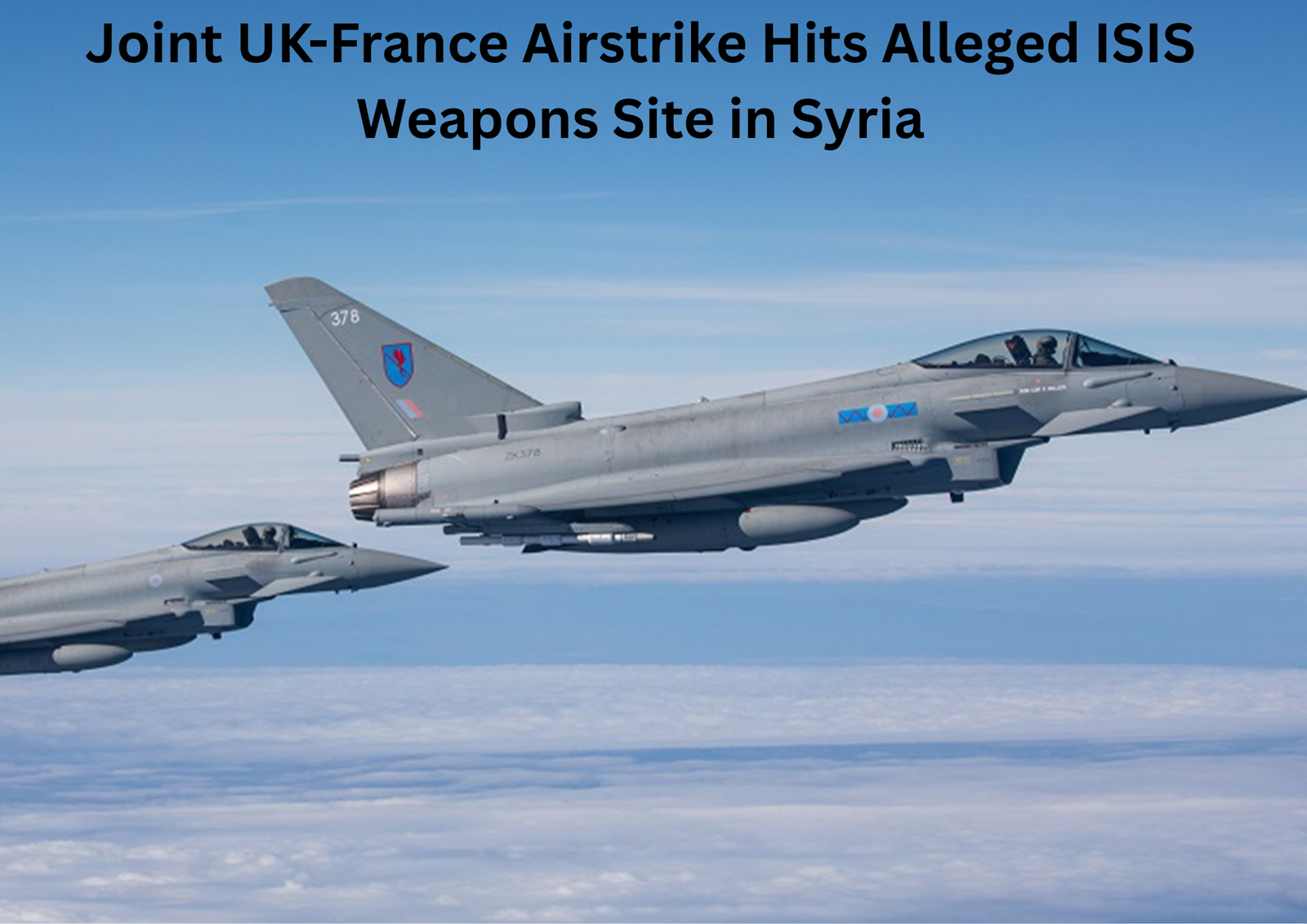
Royal Air Force Typhoon FGR4 fighter jets participated in the mission, supported by aerial refueling assets to ensure extended operational reach. Precision-guided munitions were deployed against several tunnel entrances believed to provide access to the underground complex. French aircraft were also involved, underscoring continued military cooperation between European allies in counter-terrorism operations.
Defense officials indicated that early assessments suggest the mission achieved its intended objectives. Authorities emphasized that the target area was carefully selected to minimize the risk of civilian casualties, noting that there were no known residential communities in the immediate vicinity. All aircraft involved reportedly returned safely following the strike.
The UK’s defence leadership described the operation as a clear signal of commitment to international security and alliance cooperation. Officials praised the armed forces for maintaining readiness during the holiday period and reaffirmed their intention to counter any attempt by extremist groups to regain influence in Syria or neighboring countries.
Although IS lost its territorial control in Syria and Iraq several years ago, security agencies continue to warn that the group remains a threat. International estimates suggest thousands of fighters are still active across remote areas, relying on hidden supply routes, underground infrastructure, and sporadic attacks to sustain their presence.
The latest strike comes amid a broader surge in counter-terrorism actions across the region. In recent weeks, U.S. forces have conducted multiple operations against IS-linked targets in Syria following deadly attacks on coalition personnel. At the same time, Turkish authorities have intensified domestic security measures, detaining numerous suspects in nationwide raids aimed at preventing planned attacks during the holiday season.
Syria itself remains in a fragile security phase following the conclusion of its long-running civil conflict. Despite joining the U.S.-led coalition against IS in late 2025 under a new government, the country continues to face challenges in stabilizing remote regions and preventing extremist regrouping.
Military analysts note that joint operations such as this one highlight a shift toward targeted, intelligence-driven strikes rather than large-scale deployments. Coalition partners have repeatedly stated that sustained pressure is essential to ensuring IS does not exploit instability to stage a comeback.
As regional and international forces maintain surveillance and patrols, officials say further operations remain possible if credible threats are identified, reinforcing the coalition’s long-term commitment to counter-terrorism and regional stability.
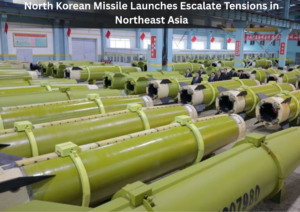
North Korea’s missile launches heighten tensions across Northeast Asia, raising urgent security concerns. For deeper analysis, be sure to read the full post on my blog.