
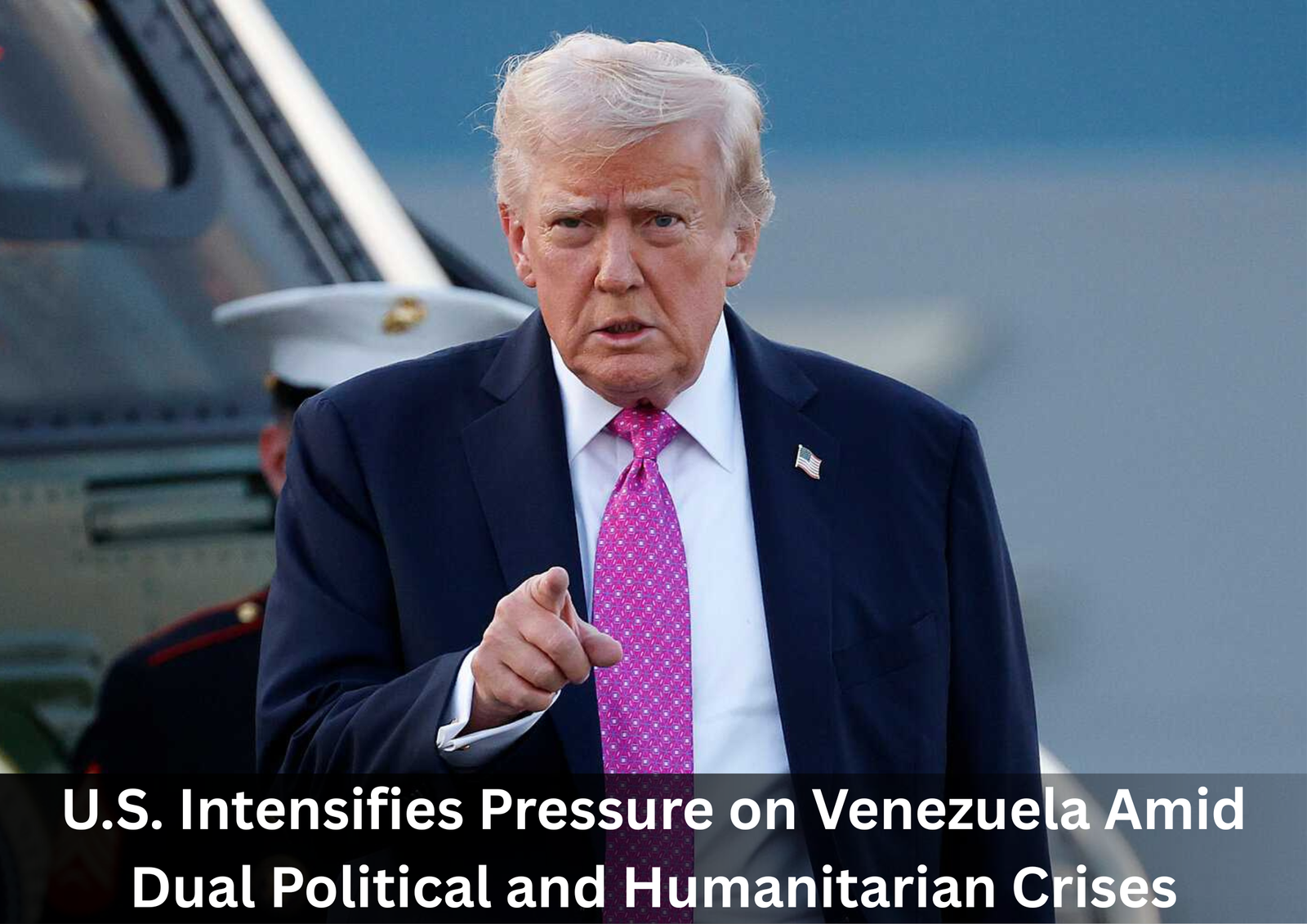
The United States has intensified its approach toward Venezuela as Washington signals a tougher stance on the country’s prolonged political and economic turmoil. Recent policy moves mark a significant escalation in pressure on the government of President Nicolás Maduro, underscoring a shift toward more forceful economic and strategic measures.
Escalating U.S. Policy Toward Caracas
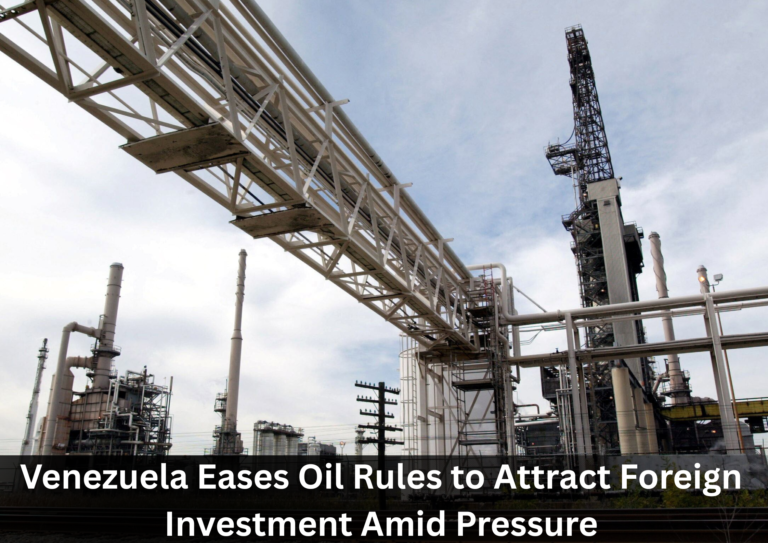
In recent weeks, U.S. authorities have reinstated sweeping economic restrictions on Venezuela, including renewed sanctions targeting key sectors of the economy and a comprehensive embargo on Venezuelan oil exports. These actions are accompanied by an increased U.S. naval presence in the Caribbean, a move officials describe as precautionary and strategic rather than overtly confrontational.
Senior U.S. officials have framed the policy shift as a response to what they describe as Venezuela’s growing instability and its broader implications for regional security. The administration has openly stated that its objective is to bring about political change in Caracas, arguing that diplomatic efforts alone have failed to alter the trajectory of the Maduro government.
Behind the scenes, U.S. policymakers are reportedly examining internal dynamics within Venezuela’s leadership. Particular attention has been paid to Vice President Delcy Rodríguez, a long-time figure within the ruling establishment. Analysts suggest that Washington views her position as influential, given her connections across political, military, and intelligence circles.
Domestic Political Support in the United States
The hardened U.S. posture has received broad backing from Republican lawmakers, who argue that Venezuela poses a strategic challenge in the Western Hemisphere. Several members of Congress have invoked long-standing U.S. principles regarding regional influence, asserting that instability in Venezuela creates opportunities for rival global powers to expand their footprint near U.S. borders.
According to supporters of the policy, Venezuela’s relationships with countries such as China, Russia, and Iran elevate the issue beyond a bilateral dispute, transforming it into a matter of geopolitical competition. At present, there appears to be limited resistance within the Republican Party to the administration’s strategy, signaling a relatively unified front on the issue.
A Shift From Past Engagement Strategies
Foreign policy analysts note that the current approach represents a clear departure from earlier U.S. efforts that emphasized dialogue and multilateral engagement. Previous administrations attempted to encourage reforms through negotiations and limited sanctions, but the renewed strategy favors economic isolation and strategic pressure.
Critics argue that this marks a return to an interventionist mindset that has historically shaped U.S. involvement in Latin America. They contend that reliance on economic coercion risks repeating past mistakes, particularly when civilian populations bear the brunt of financial restrictions. Supporters counter that sustained pressure is necessary to disrupt entrenched power structures in Caracas.
Conditions Inside Venezuela
Within Venezuela, the renewed U.S. measures have added to an already severe humanitarian situation. The country continues to struggle with hyperinflation, widespread shortages of essential goods, and chronic infrastructure problems. Electricity outages remain common, and access to healthcare and medicine is limited for many citizens.
Residents in major cities and rural areas alike are preparing for further economic strain as sanctions tighten. Aid organizations have warned that any additional disruption to imports and financial flows could deepen food insecurity and worsen public health conditions. While the U.S. government maintains that humanitarian exemptions remain in place, critics question whether these safeguards are sufficient in practice.
Key Figures and Global Implications
Vice President Delcy Rodríguez has emerged as a central figure in discussions about Venezuela’s political future. A former foreign minister, she has represented the government in numerous international negotiations and is regarded as a trusted ally of President Maduro. Observers suggest that her influence within state institutions makes her both a stabilizing force for the current administration and a potential focal point for any internal shifts in power.
Internationally, the situation in Venezuela continues to draw attention from global actors. China and Russia have maintained diplomatic and economic ties with Caracas, while Iran has expanded cooperation in recent years. These relationships complicate U.S. efforts, as any major political transition in Venezuela would have ripple effects beyond the region.
Uncertain Path Ahead
As pressure mounts, the future of Venezuela remains uncertain. Supporters of the U.S. strategy believe sustained economic and political leverage could eventually lead to meaningful change. Critics warn that the approach risks exacerbating human suffering without guaranteeing a political resolution.
What is clear is that Venezuela’s crisis has entered a new phase, shaped by renewed U.S. involvement and shifting global dynamics. The coming months are likely to test not only the resilience of Venezuelan society but also the effectiveness of international pressure as a tool for political transformation.
For full context and important updates on the “Measles Exposure Alert Issued After Infected Visitor Stops in Gaston County,” readers are strongly encouraged to read this detailed blog until the end.