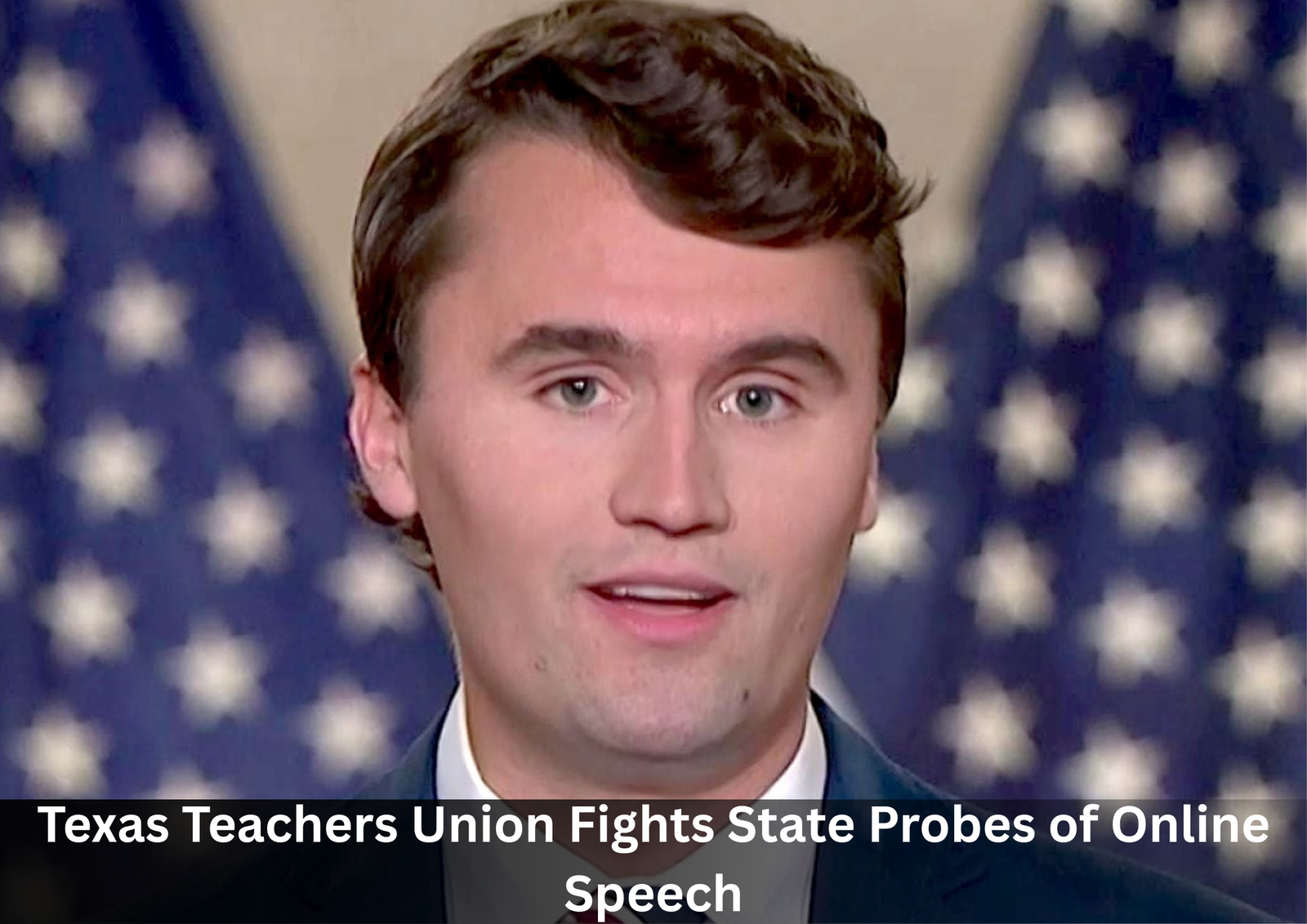
A major teachers’ union in Texas has filed a federal lawsuit accusing state education officials of violating educators’ constitutional rights by investigating their private social media posts following the killing of conservative activist Charlie Kirk.
The Texas American Federation of Teachers, which represents tens of thousands of public school employees, argues that the state’s actions amount to viewpoint discrimination and an unlawful attempt to suppress political expression protected under the First Amendment.
Dispute Over State Directive
At the center of the lawsuit is a policy directive issued in early September by Mike Morath, the Texas Education Commissioner. The guidance instructed school districts to report educators who made “reprehensible or inappropriate” remarks online related to Kirk’s death, which occurred while he was speaking at a university event in Utah.
Union leaders claim the directive was overly broad and failed to require any assessment of whether the speech disrupted school operations or interfered with professional duties. As a result, the lawsuit contends, districts across Texas applied the policy inconsistently, leading to what the union describes as a climate of fear among educators.
Hundreds of Complaints, Limited Transparency
According to state figures cited in the filing, the Texas Education Agency received more than 350 complaints tied to educators’ online comments. While many were eventually dismissed, dozens remained under review months later. The agency has declined to release detailed information about the complaints, citing confidentiality rules.
The union highlights several cases in which teachers allegedly faced termination, formal investigations, or negative employment records based solely on comments made on personal accounts outside of work hours. The lawsuit maintains that none of the cited posts caused classroom disruption or impeded instructional responsibilities.
Unequal Enforcement Alleged
A key argument raised by the union is selective enforcement. The lawsuit notes that state officials did not issue comparable directives following online reactions to the killings of Democratic public figures, suggesting that investigations were triggered by criticism of a politically favored individual rather than by objective standards.
National AFT President Randi Weingarten criticized the investigations as a dangerous precedent, warning that public employees cannot be subjected to discipline simply for expressing unpopular opinions in private settings.
State’s Position and Legal Standards
State leaders, including Governor Greg Abbott, have defended the need to act against speech that could be interpreted as encouraging violence. Morath has stated that only clear violations of the educator code of conduct should result in disciplinary action and acknowledged that many complaints appeared to stem from personal disputes rather than genuine professional concerns.
Legal experts note that long-standing Supreme Court precedent requires public employers to demonstrate substantial workplace disruption before punishing employees for speech on matters of public concern.
What the Union Is Seeking
The lawsuit does not request financial damages. Instead, it asks the court to declare the investigation policy unconstitutional, halt all related probes, and require the state to withdraw and replace the September directive with clearer guidance that respects lawful free speech.
Union officials say the goal is to restore confidence among educators that expressing personal views outside the classroom will not jeopardize their careers.
Before you go, don’t miss “Brown University Shooting: Investigators Reveal Years of Planning and Disturbing Confession Videos”-read the full blog for crucial details and deeper insight into the case.