In a significant move reshaping security dynamics in the Middle East, the Lebanese Armed Forces have conducted an operation in southern Lebanon that resulted in the disarmament of Hezbollah’s armed units in the region. The area, long known as a stronghold for the Shiite group’s military presence independent of state authority, was brought under formal military control, officials confirmed.
According to the Lebanese military, the operation proceeded without widespread violent clashes, although details about the disarmament process and its immediate impact on local communities were limited. The action marks one of the most notable assertions of state power in the south in years and could alter the balance of influence among armed factions within Lebanon.
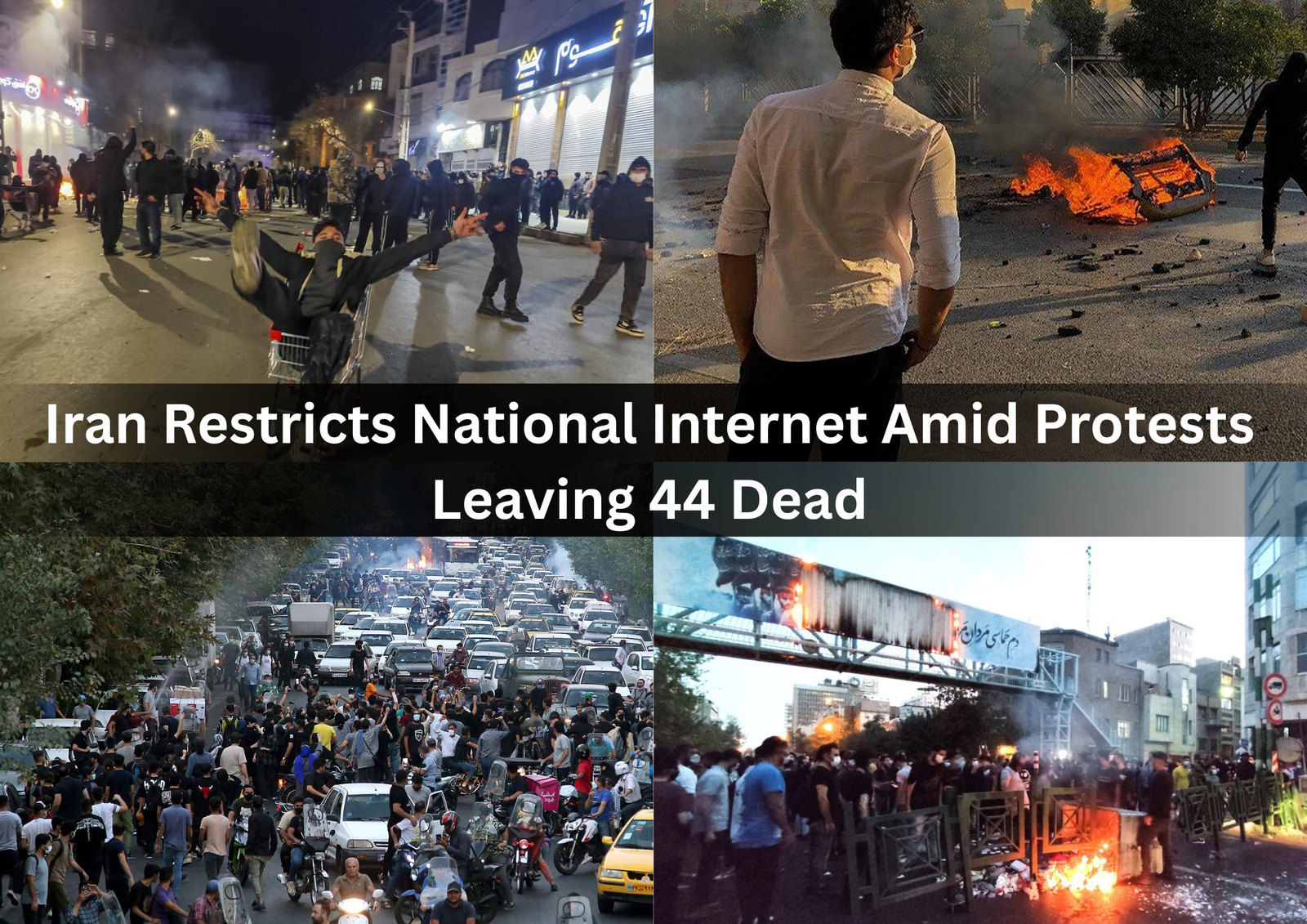
Meanwhile, in Iran, nationwide demonstrations and labor walkouts have continued to escalate, posing a growing challenge to the Islamic Republic’s leadership. What began as localized protests has expanded into a broad movement spanning several major cities, including Tehran, as citizens voice deep frustration over political and economic conditions.
Reports from multiple sources indicate that at least 44 people have been killed during clashes between protesters and security forces. The unrest has prompted authorities to impose a sweeping shutdown of internet services nationwide in an effort to disrupt communication among demonstrators and limit information flow to external audiences.
The scale of the communications blackout – described by analysts as one of the most extensive in recent Iranian history – has raised concerns among human rights organizations and digital freedom advocates. The shutdown has affected mobile data, broadband and popular messaging platforms, severely restricting residents’ access to the open internet.
In Tehran and other major urban centers, protests have drawn hundreds to thousands of participants, with demonstrators calling for political reforms and accountability from clerical leadership. The combination of economic hardship, political dissatisfaction, and a crackdown on dissent is seen as fueling the intensifying demonstrations.
Observers note that this surge of dissent represents a serious test for Iran’s ruling establishment, which has faced periodic waves of protest over the past decade. The current unrest, amplified by labor strikes and widespread mobilization, highlights profound public discontent that extends beyond isolated grievances.
The situation in both Lebanon and Iran remains fluid. In Lebanon, questions linger about how the disarmament of Hezbollah will shape internal security and political relations, while in Iran the scale and duration of protests could have long-term implications for governance, civil liberties, and regional stability.
House Narrowly Backs ACA Subsidy Extension in Bipartisan Vote, Defying GOP Leadership – read the full breakdown in my latest blog, don’t miss it!