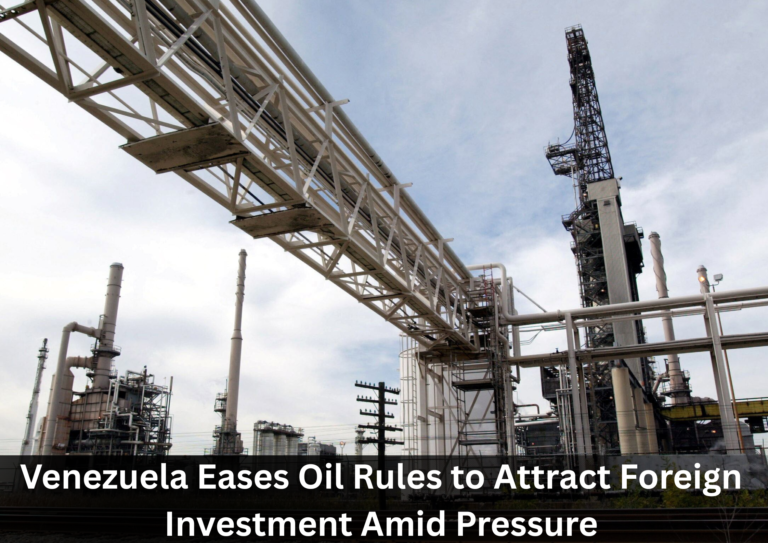

President Donald Trump signaled that Exxon Mobil may be barred from participating in Venezuela’s reopening oil sector, escalating a public clash with one of America’s largest energy companies after its chief executive described the South American nation as too risky for investment.
Aboard Air Force One, a Warning for Exxon
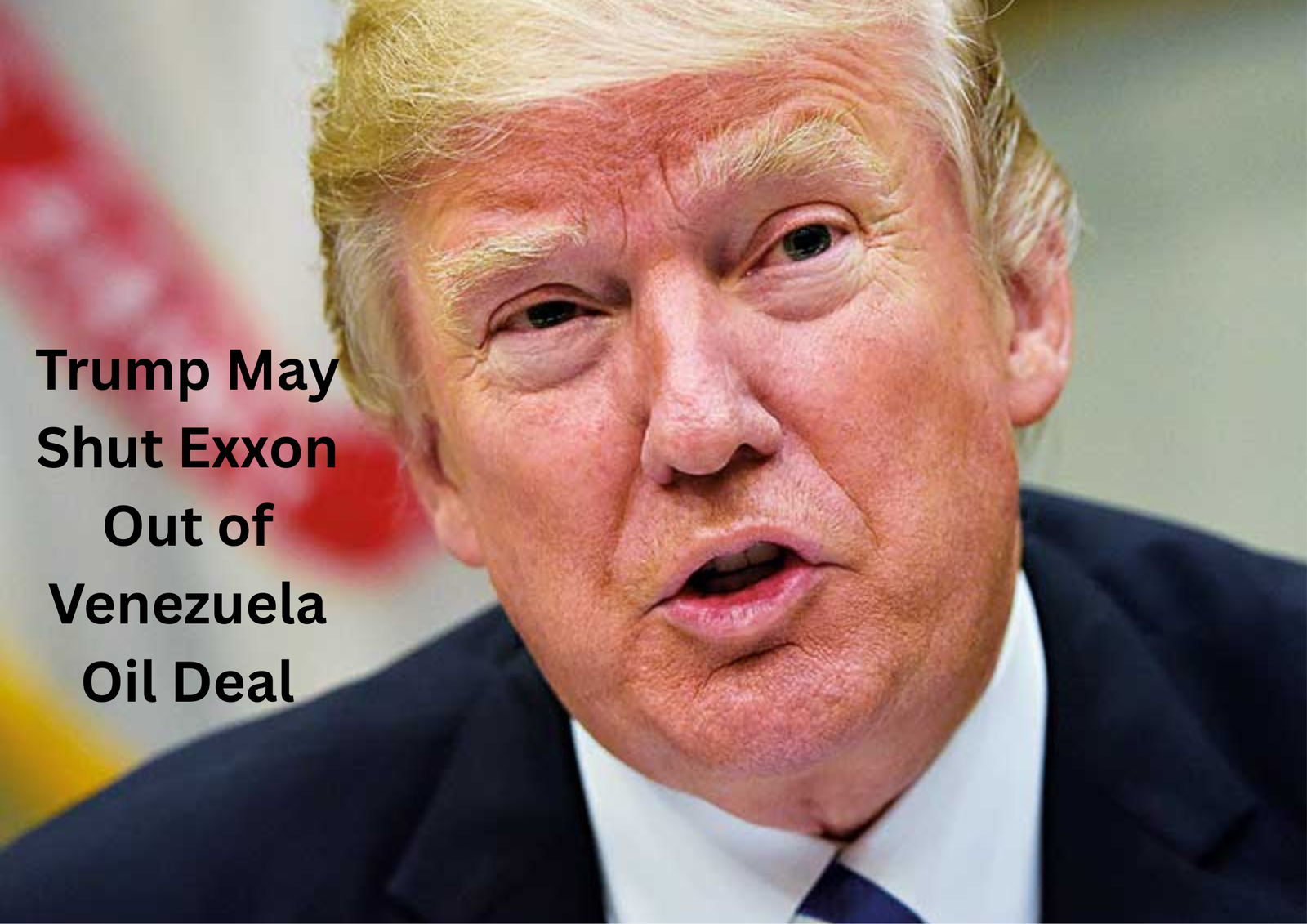
Speaking to reporters during a flight on January 11, Trump criticized Exxon’s cautious stance toward Venezuela’s energy redevelopment. “I didn’t like their answer. They’re playing too cute,” Trump remarked, adding he would be “inclined” to keep Exxon out of new projects in the country.
The comments landed just two days after Trump hosted more than a dozen U.S. oil executives at the White House to solicit support for a large-scale initiative to rebuild Venezuela’s petroleum industry, which has been battered for more than a decade.
CEO Calls Venezuela ‘Uninvestable’
Exxon Mobil Chairman and CEO Darren Woods was among the executives present at the White House session on January 9. When pressed about re-entering Venezuela, Woods described the country as “uninvestable in its current state,” arguing that Exxon would require major legal and commercial changes before committing capital to a third attempt at operating there.
According to individuals familiar with the meeting, Woods raised concerns about the lack of investment protections, weak contractual frameworks, and an unreliable legal system. Exxon has not publicly commented on Trump’s retaliatory remarks.
Trump Seeks $100 Billion Investment Drive
The dispute unfolded as the administration attempts to persuade U.S. oil companies to invest at least $100 billion in Venezuela’s refineries and oil fields. The push follows a U.S.-led military operation that ousted President Nicolás Maduro on January 3, placing significant economic and security infrastructure under direct U.S. supervision.
During the January 9 meeting, Trump told executives that future dealings would occur with Washington – not Caracas – stating, “You’re dealing with us directly. We don’t want you to deal with Venezuela.” He pledged federal backing to mitigate investment risk, though specifics on those guarantees remain unclear.
On January 10, Trump signed an executive order blocking creditors and courts from seizing Venezuelan oil proceeds held in U.S. accounts, a move designed to secure early revenue streams as reconstruction begins.
Industry History Shapes Mood of Caution
Many oil companies maintain long memories of Venezuela’s nationalization era. In the mid-2000s, then-President Hugo Chávez seized billions of dollars’ worth of oil assets, including holdings belonging to Exxon and ConocoPhillips. Arbitration rulings in subsequent years left the Venezuelan state owing more than $13 billion to both firms collectively.
ConocoPhillips CEO Ryan Lance told Trump at the recent meeting that his firm remains Venezuela’s largest non-sovereign creditor and called for a full restructuring of the country’s debt obligations and state energy architecture, including PDVSA, its state oil company.
Trump responded that ConocoPhillips would receive “a lot” of the money it is owed, but also suggested prior losses would not dictate future policy. “We’re starting with a clean slate,” he said.
Chevron Stays, Others Wait
While Exxon and ConocoPhillips exited Venezuela years earlier, Chevron kept a limited presence throughout political turmoil and remains the only U.S. major currently operating in the country. Industry analysts say Chevron’s early foothold positions it favorably if Washington awards new concessions.
Whether Exxon will ultimately be blocked remains unclear, though Trump’s remarks indicate geopolitical leverage could play a role in shaping the future of Venezuela’s oil revival – and which companies profit from it.
The shocking case titled “Ohio Couple Found Fatally Shot in Columbus Home; Former Spouse Arrested on Aggravated Murder Charges” demands attention – read this full blog for crucial details.