
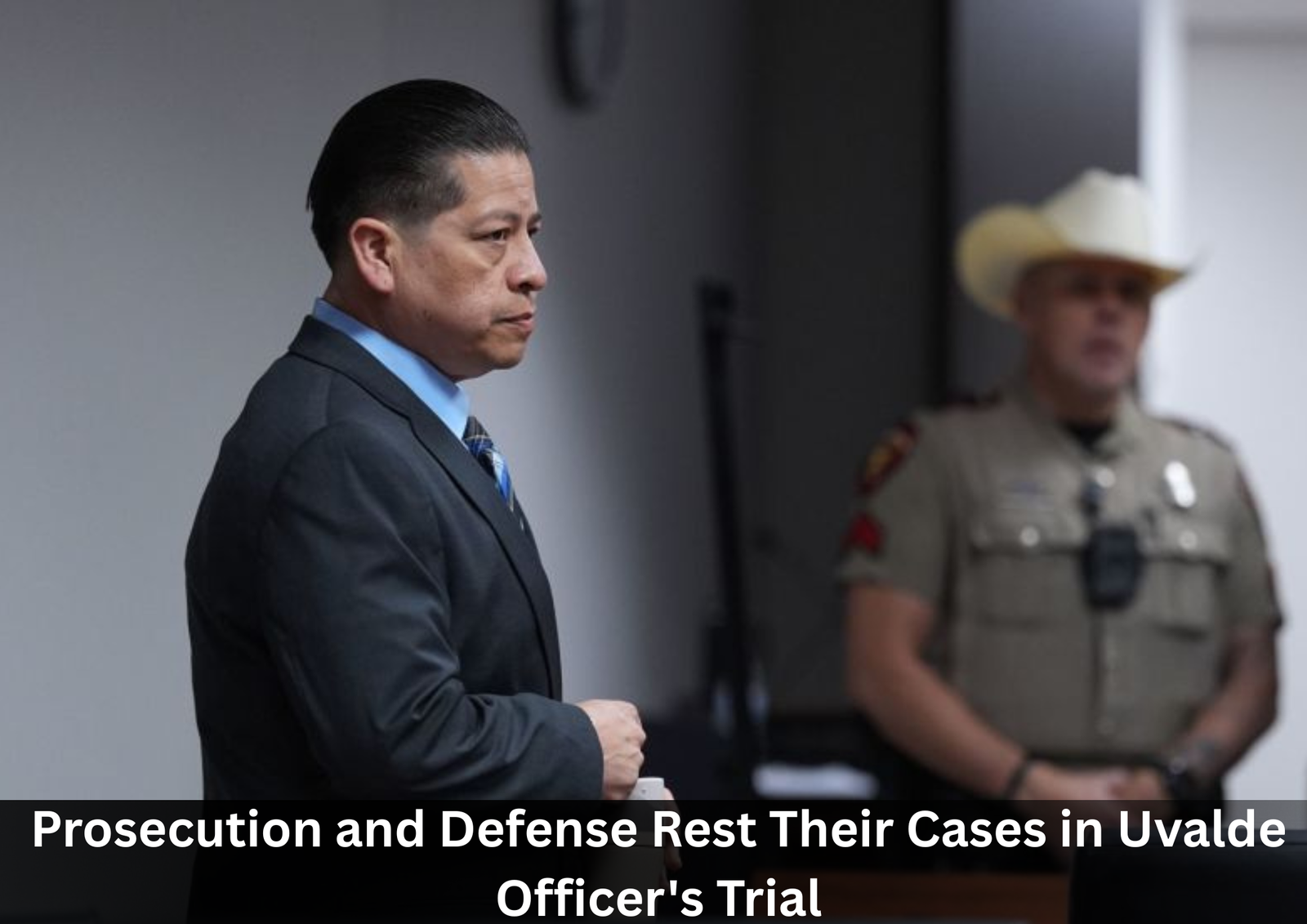
The criminal trial of former Uvalde school district police officer Adrian Gonzales reached a pivotal point Tuesday as both the prosecution and defense concluded their presentations, setting the stage for closing arguments and jury deliberations in a case that has commanded national attention.
Gonzales is charged with 29 felony counts of abandoning or endangering a child in connection with the May 24, 2022 shooting at Robb Elementary School, where 19 students and two teachers were killed and 10 additional children were wounded. He has pleaded not guilty.
Central Dispute: Action vs. Inaction
Prosecutors argue that Gonzales – one of the earliest officers to arrive – failed to confront the gunman after receiving clear indications of danger. They highlighted a detailed timeline alleging Gonzales parked near the campus just over a minute before the shooter entered the building, yet did not advance inside until several minutes later despite gunfire erupting.
Over eight days, the state called 35 witnesses, including survivors, investigators, and grieving family members. Testimony from a teacher’s aide who encountered Gonzales outside the school became a focal point for prosecutors, who contend the officer failed to follow active shooter training protocols he had previously instructed.
Graphic images, audio recordings, and forensic testimony underscored the devastating consequences inside the fourth-grade classrooms where the attack occurred. Prosecutor Bill Turner repeatedly emphasized that “every second mattered” that morning.
Defense Strategy: Confusion, Stress, and Uncertainty
The defense called just two witnesses in a brief presentation lasting under three hours. Lawyers argued Gonzales faced a chaotic environment with limited visibility and no certainty regarding the shooter’s location.
A funeral home employee testified she saw the gunman moving quickly between parked vehicles, suggesting he may have been difficult to spot. A SWAT veteran specializing in high-stress response testified about sensory overload and “inattentional blindness” during crisis situations.
Defense attorneys stressed that many officers on scene hesitated or misinterpreted unfolding events, and that a federal tactical team did not breach the classroom for 77 minutes – a point they used to argue Gonzales was being unfairly singled out.
Tense Proceedings and Judicial Rulings
The trial was moved from Uvalde to Corpus Christi due to concerns about finding an impartial jury. Emotions have remained high throughout the 10-day proceeding, including one incident where a victim’s family member was escorted out after shouting at the defense table.
Requests for a mistrial and a directed verdict by the defense were denied. Judge Sid Harle also rejected a motion to exclude testimony from a Texas Rangers lieutenant who reconstructed the timeline of the police response.
Next Steps
Closing arguments are scheduled for Wednesday morning, after which a jury of seven women and five men will begin deliberations. A conviction could result in up to two years in state jail for Gonzales. A separate trial for former Uvalde school police chief Pete Arredondo is expected later this year.
The outcome will determine whether Gonzales bears criminal responsibility for decisions made during one of the deadliest school shootings in U.S. history – and may shape future legal standards for law enforcement response during active shooter incidents.
Don’t miss the full story on how Hochul Unveils Record $260B Budget Without Raising Taxes, Setting Up Political Showdown With NYC Mayor – read the blog now.