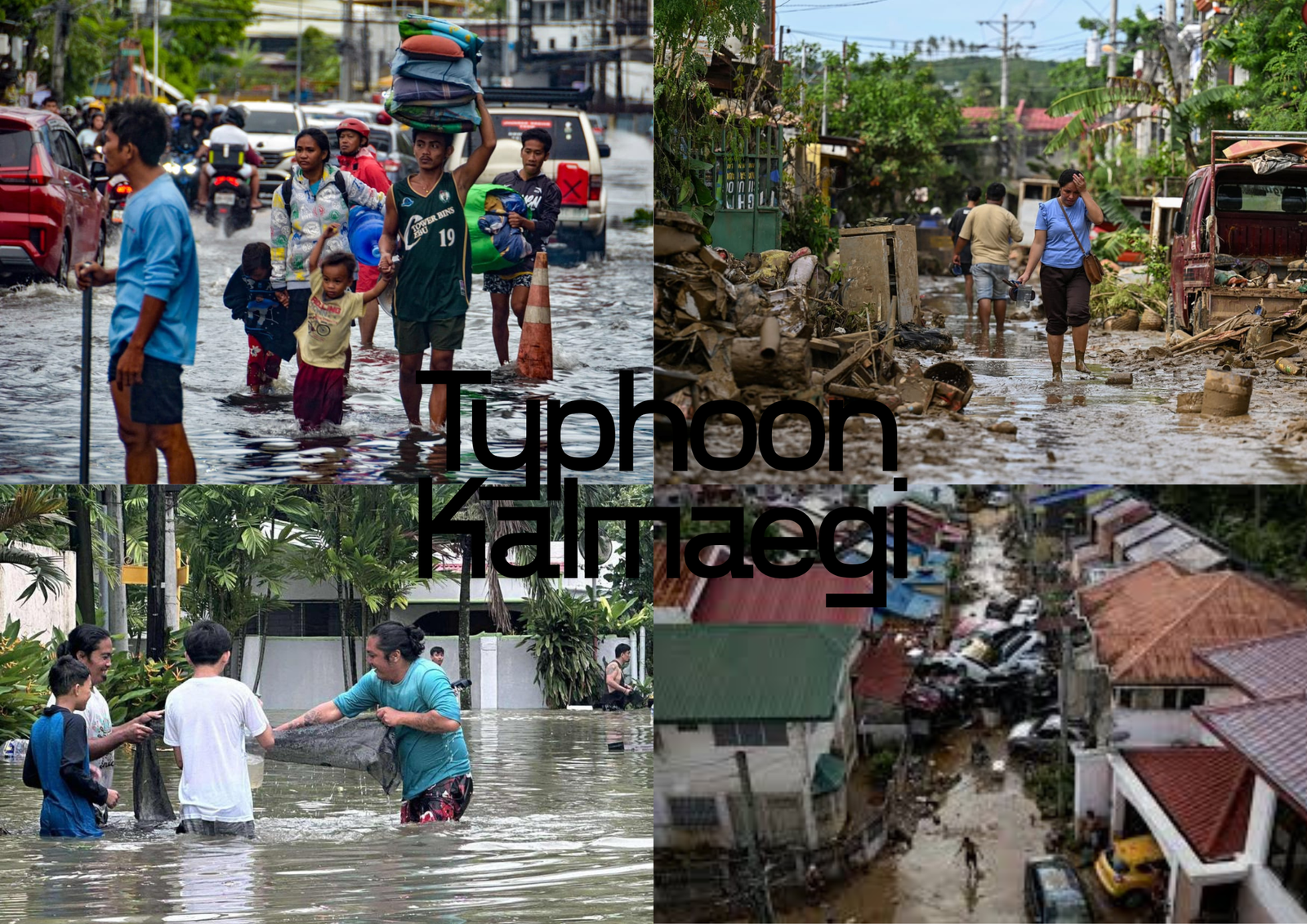
Typhoon Kalmaegi has unleashed widespread destruction across Southeast Asia, claiming nearly 200 lives and displacing thousands in the Philippines and Vietnam. The powerful storm, accompanied by torrential rains and severe flooding, struck vulnerable areas still recovering from recent natural disasters.
Widespread Destruction in the Philippines
The Philippines bore the brunt of Typhoon Kalmaegi’s force, with at least 169 people confirmed dead and more than 170 others injured. Authorities report that over 100 individuals remain missing, most feared to have been trapped under landslides or swept away by floodwaters.
The mountainous regions of Baguio City and Benguet province were hit hardest, where rain-induced landslides destroyed homes and blocked critical roads. Unlike typical typhoons where high winds cause the most damage, Kalmaegi’s devastation primarily came from heavy rainfall that triggered flash floods and soil collapses.
In Luzon, the country’s main island, emergency crews faced enormous challenges as washed-out bridges and damaged infrastructure slowed relief efforts. Even Manila, the capital, experienced widespread flooding that disrupted transport and power supply for millions of residents.
Vietnam Struggles with Flooding After Evacuations
In Vietnam, at least 27 fatalities have been confirmed. Authorities acted early, evacuating more than 85,000 residents from coastal and mountainous areas across Quang Ngai and Thua Thien-Hue provinces. Despite those precautions, floodwaters inundated vast tracts of land, damaging crops, roads, and homes.
The storm added strain to already saturated regions that had endured continuous rainfall from earlier storms. Many communities in central Vietnam are now battling food shortages and unsafe water supplies, as emergency teams race to restore essential services.
Ongoing Rescue Operations
Both the Philippines and Vietnam have launched extensive rescue and recovery missions. In the Philippines, government agencies, volunteers, and military units are working around the clock to locate missing persons and deliver aid to remote mountain villages cut off by landslides. Helicopters are being used to drop food, medicine, and shelter materials to inaccessible areas.
Vietnamese disaster response teams are focused on clearing debris, repairing dikes, and reopening roads to facilitate the delivery of relief supplies. Local authorities are also warning residents about possible secondary landslides as rainfall continues in some regions.
A Region Under Repeated Storm Threat
Kalmaegi’s impact comes just a week after Typhoon Noul battered the same region, compounding the humanitarian crisis. Meteorologists say the unusually warm ocean temperatures this season have intensified tropical storms, prolonging rainfall and increasing the frequency of flooding events.
Climate experts warn that Southeast Asia’s vulnerability is growing, with densely populated coastal areas facing higher risks each year. Governments across the region are being urged to invest more heavily in disaster-resilient infrastructure, early warning systems, and community preparedness programs.
Hope Amid the Ruins
Despite the devastation, stories of resilience are emerging. Local residents, volunteers, and humanitarian groups have banded together to provide food, shelter, and comfort to survivors. Many say the solidarity shown in the aftermath of Kalmaegi has been a source of strength and hope amid loss.
As recovery efforts continue, both nations face a long and difficult road ahead – but the determination of their people remains unshaken.