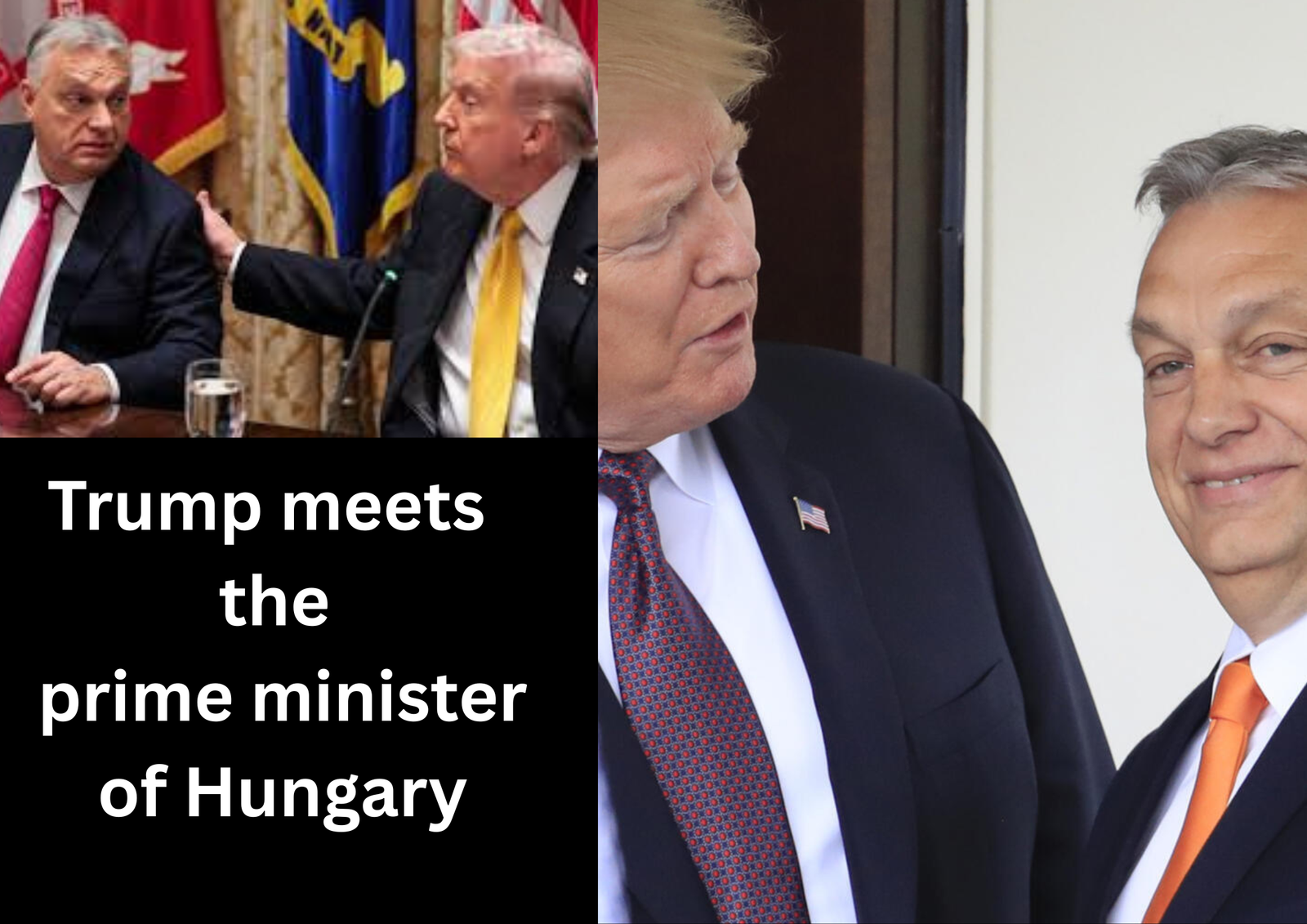
In a high-profile diplomatic meeting at the White House, former U.S. President Donald Trump welcomed Hungarian Prime Minister Viktor Orbán, marking the first official visit by a European leader since Trump’s return to office. The meeting, described by Orbán as a “peace mission,” centered on pressing global issues – most notably the war in Ukraine and the future of Western sanctions on Russia.
Strengthening Ties Between Washington and Budapest
The two leaders’ encounter underscored a long-standing political alignment and personal rapport. Orbán, known for his nationalist and conservative policies, has often praised Trump as a “president of peace” who avoids unnecessary conflicts. During their meeting, Orbán presented a bronze statue of the Hungarian turul, a mythical bird symbolizing strength and identity, which was later displayed prominently in the Oval Office.
Both leaders emphasized their shared perspectives on border security, national sovereignty, and the need to challenge what they termed the “liberal establishment” within global institutions. Analysts suggest this meeting could redefine the dynamics between Washington and Eastern Europe, particularly in how Western alliances approach the conflict in Ukraine.
Discussion on Ukraine and Sanctions
A central topic during the talks was the Ukrainian conflict and the ongoing Western sanctions against Russia. Hungary, which maintains an energy dependency on Moscow, has long opposed certain EU restrictions that impact its access to Russian oil. According to reports, Orbán requested that the Trump administration consider a sanctions exemption for Hungary.
Trump reportedly responded that he would “take a look” at the matter, adding that he was “inclined to support Hungary’s position.” Such a move, if enacted, could mark a major policy shift, potentially weakening the unified Western stance that has sought to isolate Russia economically.
Broader Diplomatic Implications
The visit has drawn sharp attention from European capitals, where Orbán’s policies have often been criticized for undermining democratic institutions. Many EU officials viewed the early invitation to Washington as a diplomatic victory for Budapest and a signal that Trump’s foreign policy may prioritize bilateral relationships over collective EU strategies.
While neither leader disclosed concrete details of future cooperation, both emphasized their desire to promote peace negotiations between Russia and Ukraine. Political observers note that the tone of the meeting suggests a renewed focus on pragmatic diplomacy rather than prolonged confrontation.
A Symbolic Beginning
Orbán’s visit to Washington symbolizes more than a routine diplomatic engagement – it signals a potential realignment of Western priorities under the Trump administration. The Hungarian leader’s early outreach reflects his intent to position Hungary as a bridge between the United States and Central Europe amid deepening divisions within the EU.For Trump, hosting Orbán not only strengthens ties with a like-minded European ally but also showcases his broader vision of “peace through strength.” The meeting sets the stage for a new phase of U.S.–European relations, one that could reshape discussions on security, energy policy, and the balance of power in Eastern Europe.