
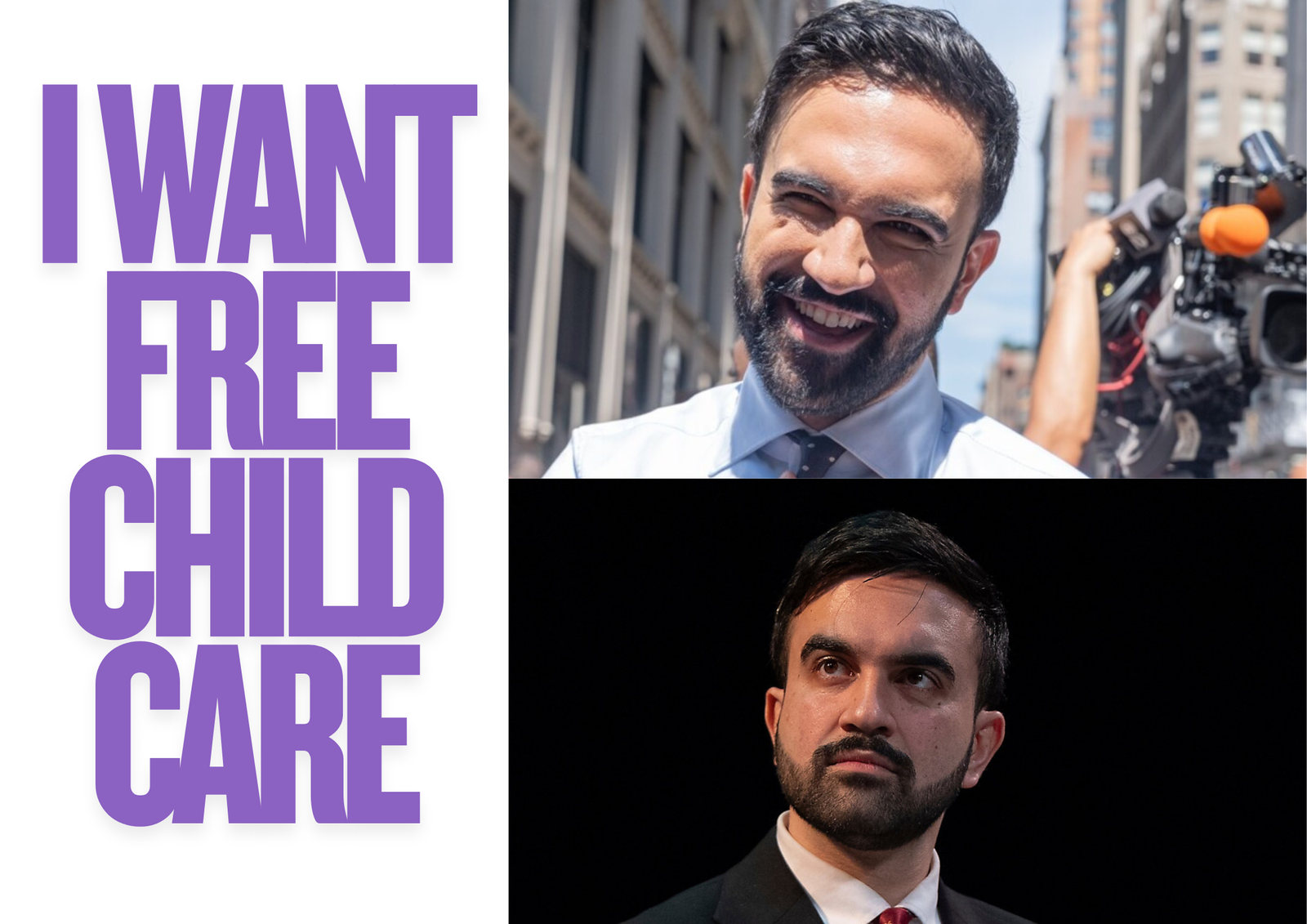
Zohran Mamdani has been officially elected as the next Mayor of New York City, marking a historic victory that reflects shifting political sentiments among the city’s diverse electorate. The Democratic Socialist assemblymember secured the win in a closely watched race, promising a new era focused on equity, childcare reform, and affordable housing.
Mamdani, who currently serves in the New York State Assembly, rose to prominence through his advocacy for working families. Child Care Act, a proposal that seeks to make childcare a guaranteed public good for all city residents. His victory speech emphasized the need for what he called “economic justice and dignity for every New Yorker.”
“This campaign was about the idea that no one in this city should have to choose between a paycheck and their child’s wellbeing,” Mamdani told supporters at his victory rally in Queens.
While his supporters hailed the outcome as a breakthrough for progressive governance, business leaders expressed concern about the direction the city may take under his administration. Billionaire supermarket owner John Catsimatidis voiced strong criticism following the results, suggesting he might relocate parts of his business operations to Florida.
“New York is heading in the wrong direction economically,” Catsimatidis told reporters, warning of potential job cuts and investment pullbacks in response to the election outcome.
Mamdani’s political views have often stirred debate, particularly regarding his outspoken stance on international human rights and the Israel-Palestine conflict. His critics argue that his rhetoric could alienate certain communities and investors, while his supporters defend his consistency in advocating for marginalized groups.
Despite controversy surrounding his positions, Mamdani has remained focused on domestic reform. His mayoral platform includes proposals to expand public childcare, improve tenant protections, and increase taxes on luxury real estate to fund social programs.
Political analysts suggest that his victory represents a broader trend toward left-leaning urban governance, driven by younger voters and working-class residents disillusioned with traditional party politics.
“Mamdani’s election signals a significant ideological shift in New York City politics,” said political analyst Dana Harper. “It reflects a growing demand for policies that prioritize people over profits.”
As Mamdani prepares to assume office in January, attention now turns to how he will balance his progressive agenda with the economic concerns of business leaders. His administration’s success, observers say, may depend on his ability to bridge ideological divides and deliver tangible results for New Yorkers.If implemented, the Universal Child Care Initiative could become one of the most ambitious social programs in the city’s history, potentially setting a model for other major U.S. cities.