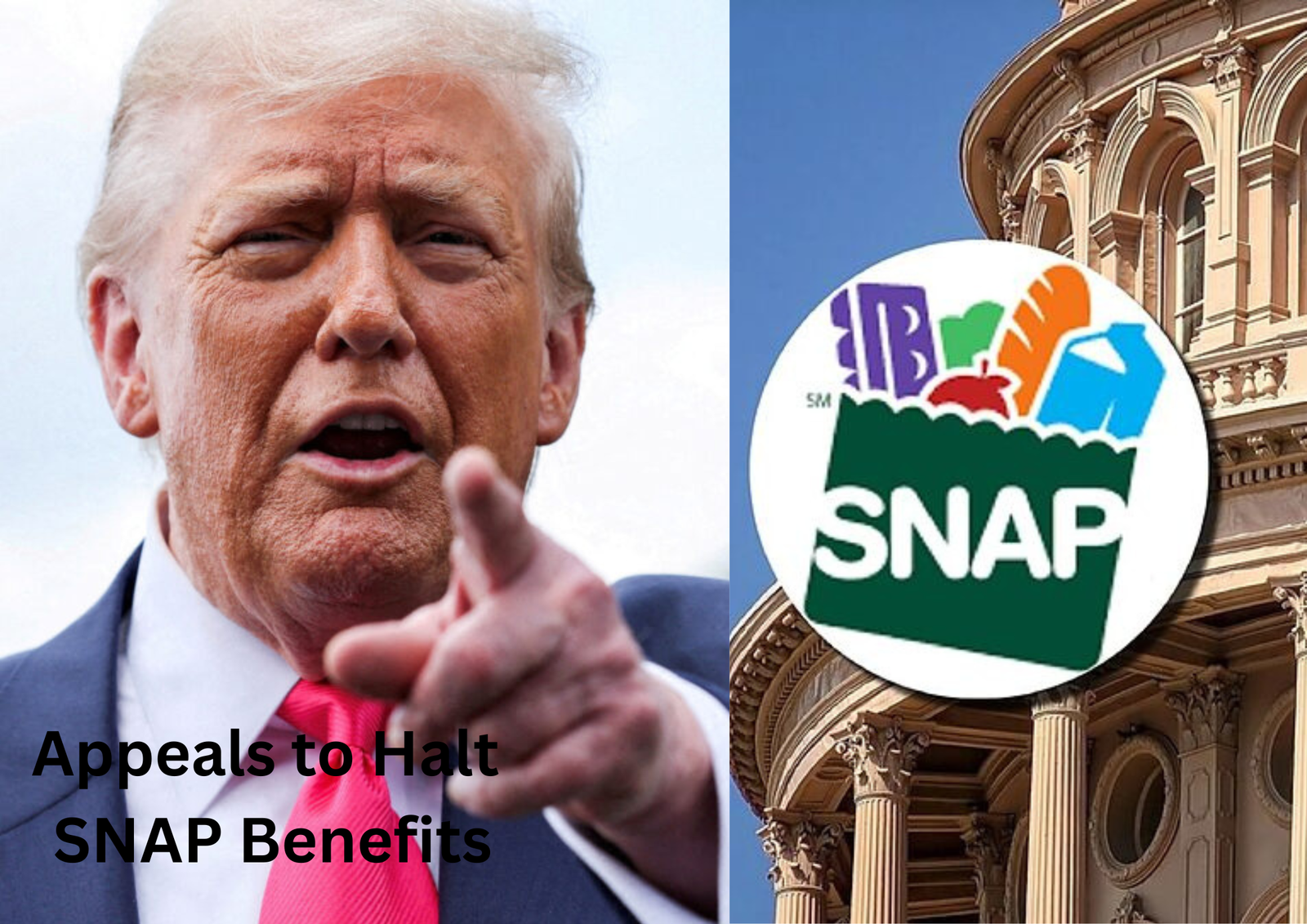
In a move that could affect millions of low-income Americans, the Trump administration has filed an emergency petition with the U.S. Supreme Court seeking to suspend food stamp payments if the federal government shuts down. The Justice Department’s request aims to overturn a lower court ruling that ordered continued funding for the Supplemental Nutrition Assistance Program (SNAP) during a lapse in appropriations.
Legal Dispute Reaches the Nation’s Highest Court
The administration’s appeal follows a recent decision by the U.S. Court of Appeals for the D.C. Circuit, which refused to pause a nationwide injunction issued by U.S. District Judge Timothy Kelly. That injunction required the federal government to maintain SNAP operations even if Congress fails to pass a spending bill. Justice Department lawyers argue that this directive forces federal agencies to spend money without authorization, describing it as a “serious breach of the separation of powers.”
States and Advocacy Groups Push Back
The legal challenge was initiated by a coalition of 15 states – including Illinois, Pennsylvania, and New York – along with several anti-hunger organizations. Their lawsuit contends that SNAP should continue regardless of a shutdown because it operates through mandatory spending, not discretionary funding. The plaintiffs say halting benefits would leave millions of families without access to food, causing widespread hardship and harming the broader economy.
Administration’s Argument on Spending Authority
Officials in the Trump administration insist that the federal government lacks the legal power to fund SNAP without a formal congressional appropriation. They have categorized the program as “non-exempt,” meaning it cannot legally distribute benefits during a shutdown. The Justice Department’s petition warns that allowing the injunction to stand would create “a dangerous precedent” by permitting executive spending without legislative approval.
Consequences for Families Nationwide
If lawmakers do not reach a budget deal, a partial government shutdown could begin as early as November 9. The Supreme Court’s response, expected within days, will determine whether roughly 41 million Americans – including children, seniors, and people with disabilities – continue to receive food assistance. Many state agencies have already expressed concern over the logistical difficulties and social impact of halting SNAP payments abruptly.
A Test of Government Power and Responsibility
Beyond the immediate question of food aid, this case carries broader implications for how essential social programs function during funding gaps. Legal experts suggest the outcome could redefine how entitlement programs are treated under shutdown conditions. For states and advocacy groups, the issue underscores the human toll of political gridlock – and the fragile balance between fiscal authority and social welfare.