
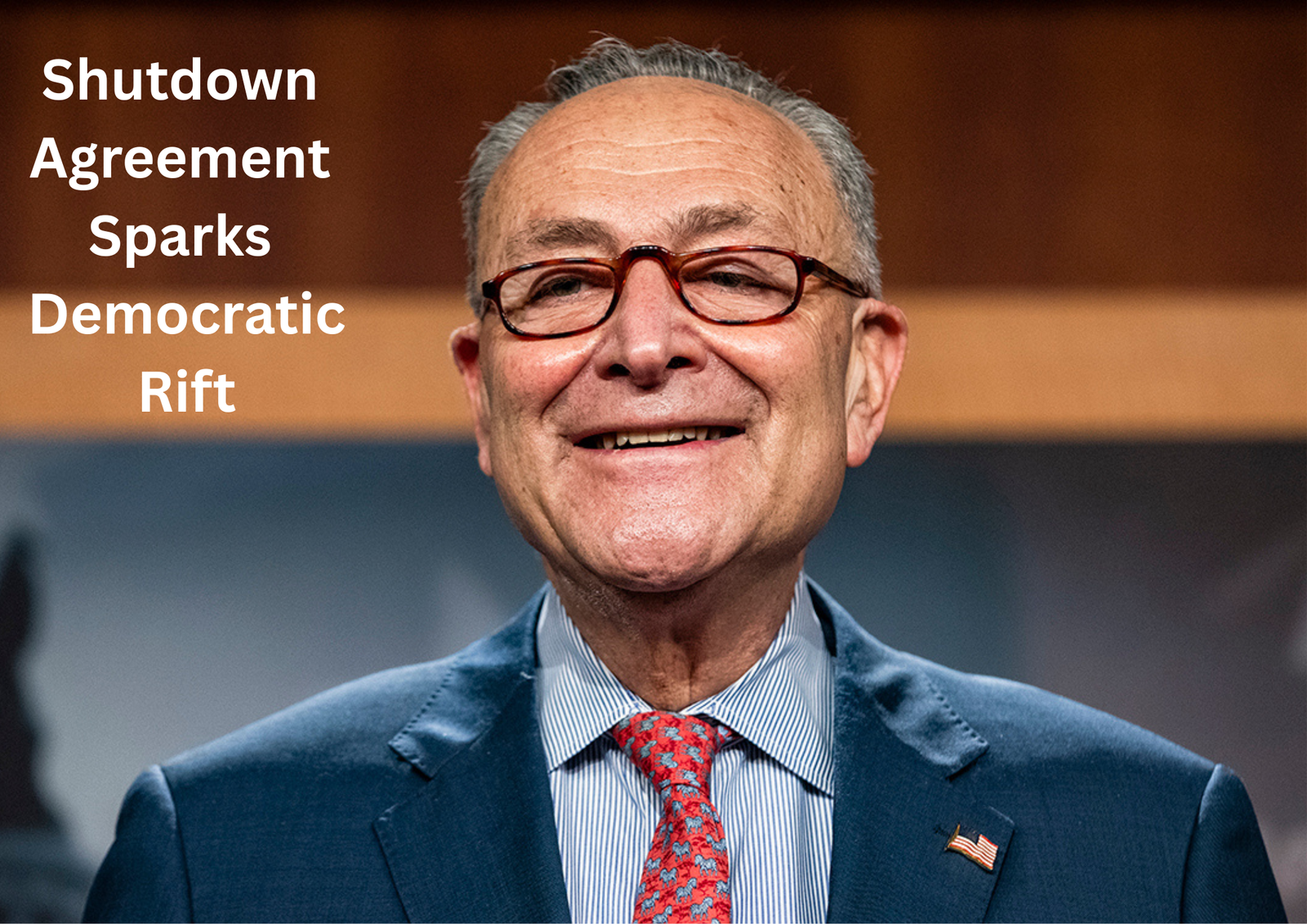
Senate Majority Leader Chuck Schumer is facing mounting criticism within his own party after brokering a controversial funding deal with Republicans that brought an end to the brief government shutdown. The agreement, which narrowly passed the Senate, has ignited frustration among progressives who claim the compromise undermines core Democratic priorities and strengthens Republican leverage ahead of future negotiations.
Progressive Anger Boils Over
Schumer’s decision to finalize the short-term funding measure with heavy Republican support has triggered a wave of discontent among left-leaning Democrats. Progressive lawmakers and advocacy groups argue that the deal represents a betrayal of party principles, accusing the Senate leader of yielding too much ground to GOP demands.
“Senator Schumer has shown he’s no longer capable of leading this caucus with conviction,” said Rep. Ro Khanna (D-Calif.) in a recent interview. “The Democratic Party needs leadership that won’t fold under pressure.”
Several progressive organizations, including MoveOn, echoed similar sentiments, calling the agreement “a stunning failure of leadership” and urging Senate Democrats to consider a new direction as the party approaches key legislative battles.
Controversial Terms of the Deal
At the heart of the dispute is what Democrats were forced to give up to secure the deal. The short-term bill, which reopens the federal government through December, dropped provisions for additional humanitarian aid to Gaza-an issue progressives had strongly advocated for. In addition, the funding measure maintains spending caps favored by Republicans, leaving many Democrats dissatisfied and warning that another fiscal standoff could erupt before the year’s end.
Critics within the party argue that the deal prioritizes short-term stability over long-term strategy, reflecting a deeper identity crisis within Democratic ranks. Moderates, however, have defended the move as a necessary step to avoid economic disruption and protect federal workers from prolonged uncertainty.
A Leadership Test for Schumer
Though Schumer succeeded in averting an extended shutdown, the political cost has been significant. The reliance on GOP votes and the visible division within his caucus have weakened his grip on Senate leadership. Several Democratic senators reportedly expressed frustration at being excluded from final negotiations, describing the process as rushed and opaque.
Political analysts suggest the episode underscores the growing difficulty of governing in a narrowly divided Congress, where even small ideological rifts can paralyze progress. “Schumer’s challenge now is not just managing the Senate but managing his own party,” said one Capitol Hill observer. “The question is whether he can restore trust before the next funding deadline.”
The Broader Implications
The fallout from the shutdown deal extends beyond Schumer’s personal leadership. It has exposed the deepening ideological split within the Democratic Party-between progressives demanding bold action on social and humanitarian issues, and moderates emphasizing pragmatic governance and compromise.
While the immediate crisis has been resolved, the internal discord suggests future battles are inevitable. With the next funding deadline looming in December, Democrats will have to reconcile their divisions quickly to avoid another damaging standoff that could further erode public confidence in their ability to govern effectively.