
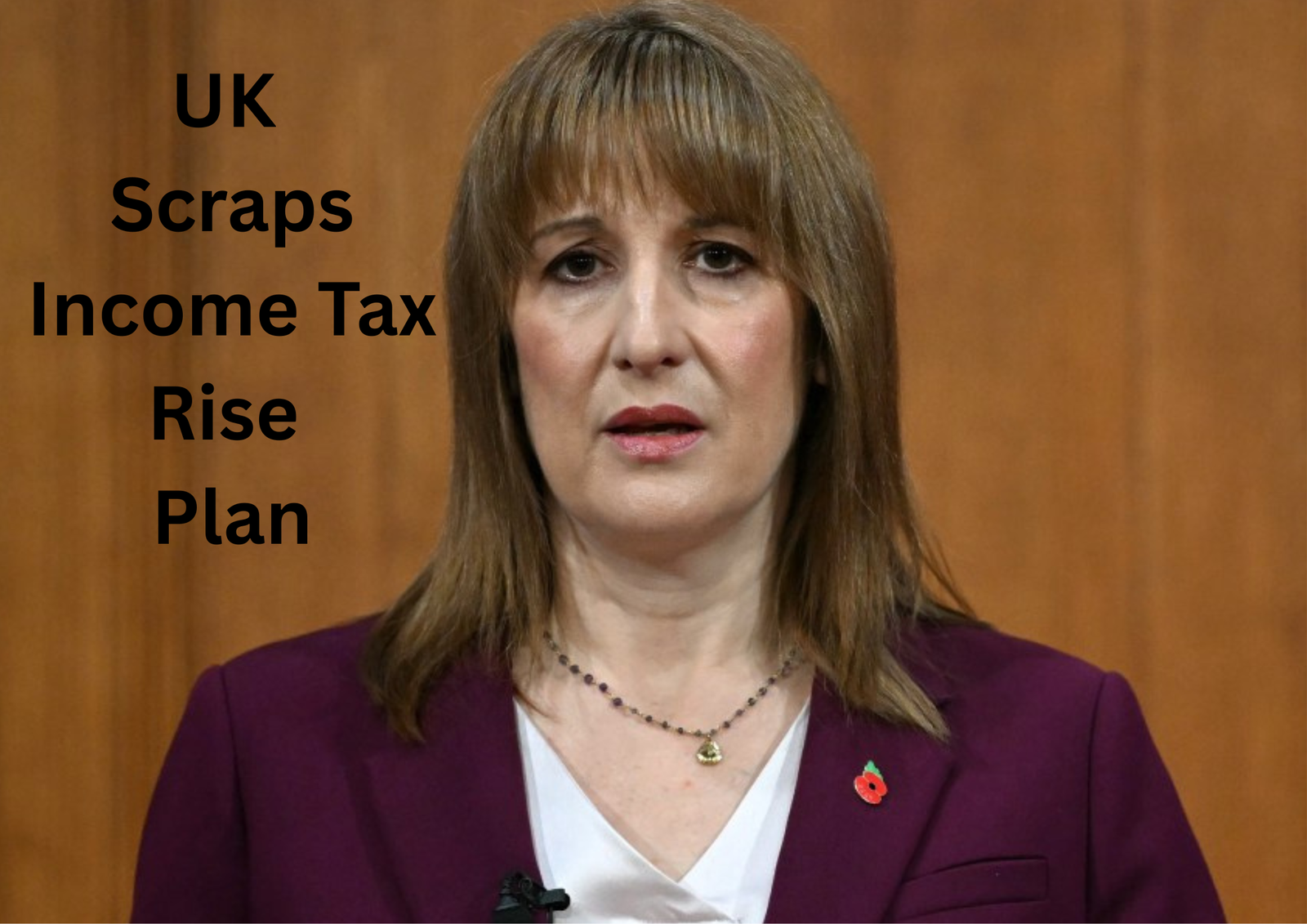
The UK government has dropped its plan to raise income tax, a move that immediately rattled financial markets and sent government borrowing costs higher. The reversal, confirmed by Chancellor Rachel Reeves, came after weeks of speculation about how the government intended to close a growing funding gap for public services.
Officials had previously explored the option of increasing income tax, but the idea has now been formally taken off the table. Treasury sources said the proposal was abandoned to avoid adding financial strain on households and businesses, with ministers stressing the need to maintain stability and prevent further economic unease.
The announcement triggered an immediate market response. Yields on 10-year UK gilts climbed sharply as investors reassessed the country’s fiscal outlook. The jump outpaced similar movements in major European bond markets, highlighting growing concerns among traders about how the UK intends to finance its spending plans without the additional tax revenue.
Analysts warned that the U-turn raised new questions about the government’s long-term budget strategy. With the Institute for Fiscal Studies previously estimating that more than £20 billion may be required to sustain public services, the search for alternative savings is intensifying. Reports suggest ministers are now examining potential cuts and efficiencies within Whitehall departments.
Opposition leaders criticized the government for creating uncertainty, arguing that the sudden shift in policy added unnecessary pressure on the economy. Nonetheless, the administration insists it remains committed to its fiscal targets, including reducing debt as a share of GDP over the next five years.
The decision marks a significant development in the UK’s economic direction, leaving both markets and the public watching closely as the government seeks new ways to meet its financial obligations without increasing the tax burden.