
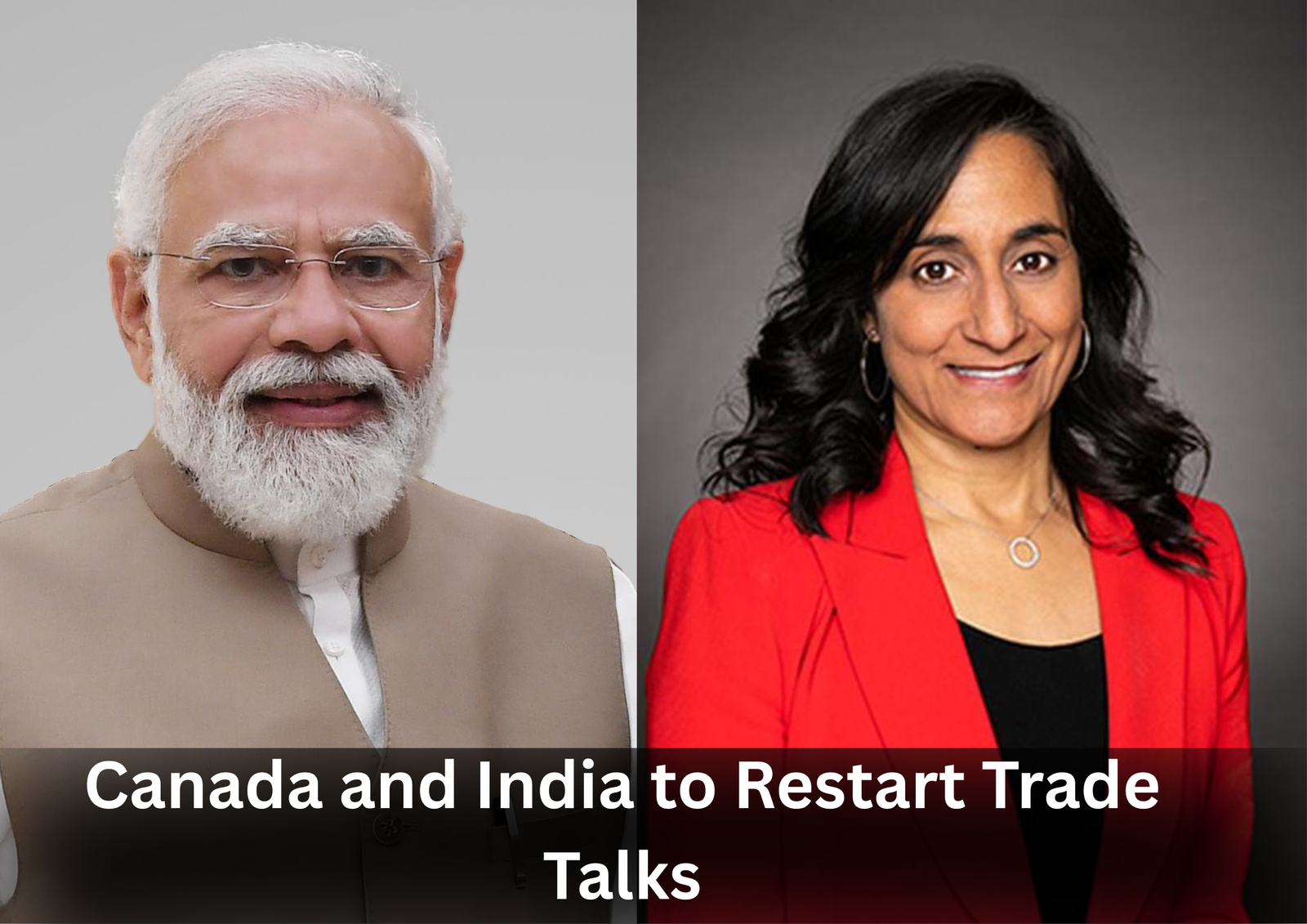
Canada and India have taken a significant step toward rebuilding economic ties, agreeing to resume negotiations on a long-pending trade agreement while advancing discussions on a multibillion-dollar uranium supply deal.
The Indian government confirmed the decision to restart trade talks on November 24, renewing a process that had been stalled amid diplomatic tensions. The announcement followed high-level meetings in New Delhi involving Canadian Foreign Minister Anita Anand, who emphasized that Ottawa is prepared to “move fast” to rebuild momentum in the partnership.
Anand described the revival of talks as an opportunity for both nations to strengthen economic cooperation, citing shared priorities in technology, clean energy, and investment. Her visit was seen in diplomatic circles as an important gesture toward resetting the relationship.
Alongside the renewed trade discussions, both sides are also advancing negotiations on what could become one of their most significant energy-sector collaborations yet. According to recent reporting, Canada is nearing completion of a proposed $2.8-billion uranium supply deal that would support India’s civilian nuclear power program. While the agreement is yet to be finalized, officials in both countries view it as a strategic step benefiting mutual energy-security goals.
The parallel progress on trade and nuclear cooperation marks a notable shift after months of strained diplomatic interactions. Indian officials noted that the agreement to reopen trade negotiations reflects a “mutual willingness to move forward,” while Canadian representatives underscored their commitment to restoring predictability and stability in bilateral relations.
If successful, the renewed talks could revive an expansive trade framework covering goods, services, investment flows, and regulatory cooperation. Meanwhile, the potential uranium deal is expected to further deepen long-term energy collaboration between the two countries.
Both governments are expressing optimism, framing the developments as a fresh chapter built on shared economic interests and long-term strategic alignment.


