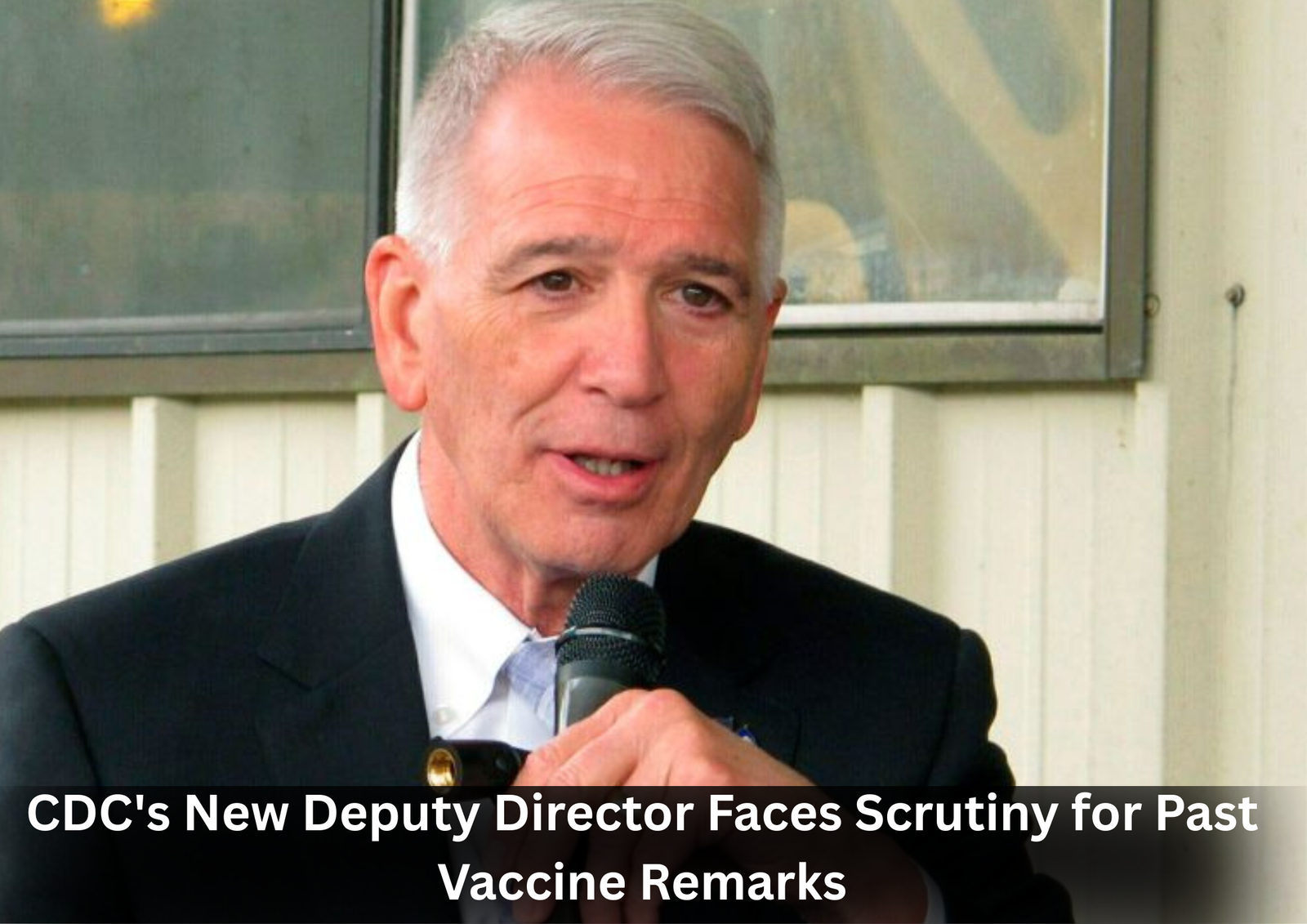
Dr. Ralph Abraham, a former Louisiana congressman and the state’s onetime surgeon general, has stepped into a top leadership role at the Centers for Disease Control and Prevention, sparking immediate debate within the public health community. His appointment as CDC deputy director, announced Tuesday, introduces a seasoned physician to the agency’s upper ranks – but one whose past remarks on COVID-19 vaccines are now under renewed scrutiny.
Abraham, trained in family medicine and a graduate of LSU’s medical program, brings years of clinical and political experience to the position. Yet his elevation has unsettled many inside the agency, with several current and former CDC employees privately expressing concern that his previous public skepticism about COVID-19 immunization efforts may complicate the CDC’s ongoing mission.
The controversy largely stems from comments Abraham made in 2022 while serving as Louisiana’s chief health official. In a radio interview at the time, he argued against mandating COVID-19 vaccines and voiced personal hesitation about receiving them, pointing to the rapid pace of development. He also publicly supported ivermectin – a drug not approved for treating COVID-19 – describing it as a “proven therapy,” despite repeated federal warnings advising against its use for the virus.
Public health experts say those statements could pose challenges now that Abraham holds one of the CDC’s most influential posts. Several doctors’ groups have warned that having a senior official with a history of vaccine-related doubts may strain the agency’s credibility, particularly as it works to rebuild trust following years of pandemic-related misinformation and political polarization.
“For an institution that relies so heavily on scientific authority, even the perception of mixed messaging can be damaging,” one infectious disease specialist noted.
The deputy director role does not require Senate confirmation, but it carries significant responsibility in shaping national public health priorities. Abraham will serve under CDC Director, contributing to policy planning, emergency preparedness, and health communication strategies.
Reactions to the appointment have been mixed. Supporters argue that Abraham’s background allows him to bring an outsider’s perspective to long-standing bureaucratic challenges. Others see the move as a political decision that risks deepening skepticism around vaccines and eroding confidence in CDC guidance.
As Abraham prepares to assume his duties, the national debate surrounding his appointment underscores a broader question facing U.S. public health institutions: how to maintain scientific integrity and public trust in an era where health policy and politics often collide.