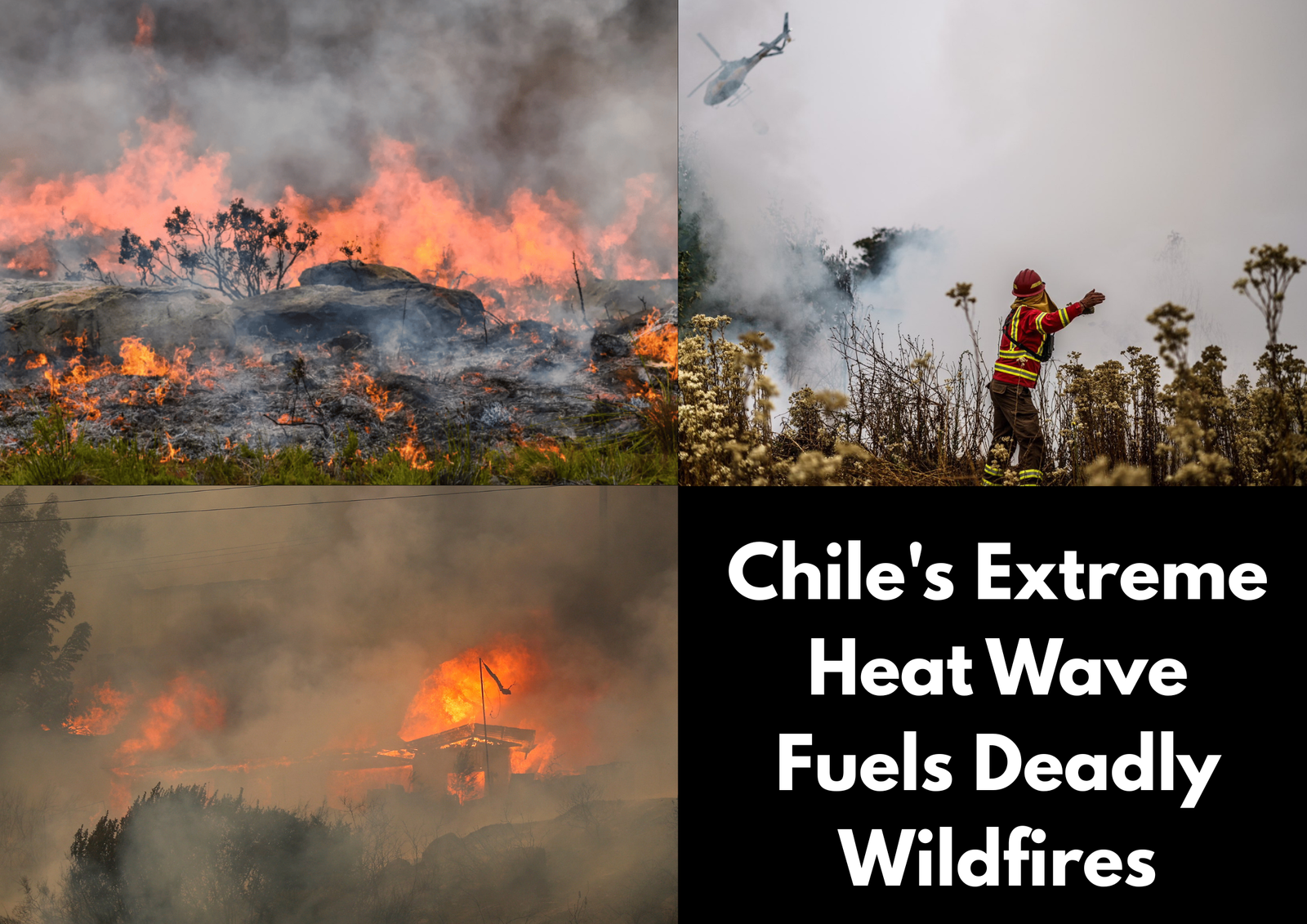
A chain of aggressive wildfires has torn through central Chile, destroying homes, displacing families, and claiming multiple lives as the country endures one of the harshest heat waves in its recent history. The fires erupted late last week and intensified over the weekend, overwhelming local firefighting capabilities and prompting nationwide concern.
The hardest-hit area is the Biobío region, located several hundred miles south of the capital, Santiago. Local officials confirmed that entire neighborhoods have been reduced to ash as flames rapidly consumed wooden structures, vehicles, and surrounding vegetation. Thick smoke has blanketed many towns, making visibility difficult and complicating emergency response operations.
Chilean President Gabriel Boric declared a state of emergency, mobilizing both military and civilian resources to assist with containment and humanitarian support. He described the situation as a national “catastrophe” and issued a period of official mourning for those who have lost their lives.
A prolonged heat wave has acted as a catalyst for the crisis, with temperatures soaring and humidity levels plummeting. Dry winds spread embers across large distances, allowing fires to jump natural barriers and accelerate toward residential zones. Firefighters have reported exceptionally challenging conditions, noting that the combination of heat and wind has undermined typical containment strategies.
Aerial and drone footage captured over the weekend shows vast stretches of farmland and forest reduced to scorched earth. Rows of homes now stand as skeletal frames, and burned-out vehicles line once-bustling streets. Thousands of residents have sought refuge in temporary shelters, while others remain unaccounted for as search and rescue teams continue operations.
International support has begun to arrive, with neighboring countries and global agencies offering equipment, personnel, and humanitarian assistance. Authorities warn that additional fires could ignite as the heat wave persists through the week, urging residents in at-risk zones to remain alert and follow evacuation orders.
For many communities in Biobío and surrounding provinces, the road to recovery is expected to be long. Local leaders say initial priorities include providing shelter, restoring essential services, and assessing the structural damage left in the fires’ wake. Environmental specialists have also raised concerns about long-term ecological impact, noting that the region’s forests serve as critical habitat for wildlife and play a major role in regional climate patterns.
As Chile grapples with the immediate crisis, discussions have renewed around wildfire preparedness and climate resilience in the face of more frequent extreme weather events. For now, emergency crews remain on the ground, battling shifting fire lines and racing to protect those still in harm’s way.
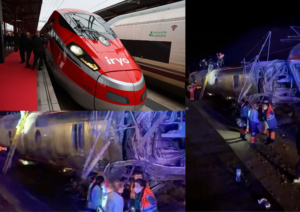
At least 21 dead, more than 100 hurt after a high-speed rail disaster in northeastern Spain. Read the full report on my blog for more details.