Scientists have identified a dangerous marine virus in whale populations north of the Arctic Circle, marking the first confirmed detection of the pathogen in this rapidly changing region. The discovery was made using drone technology that allowed researchers to collect respiratory samples from live whales without physical contact.
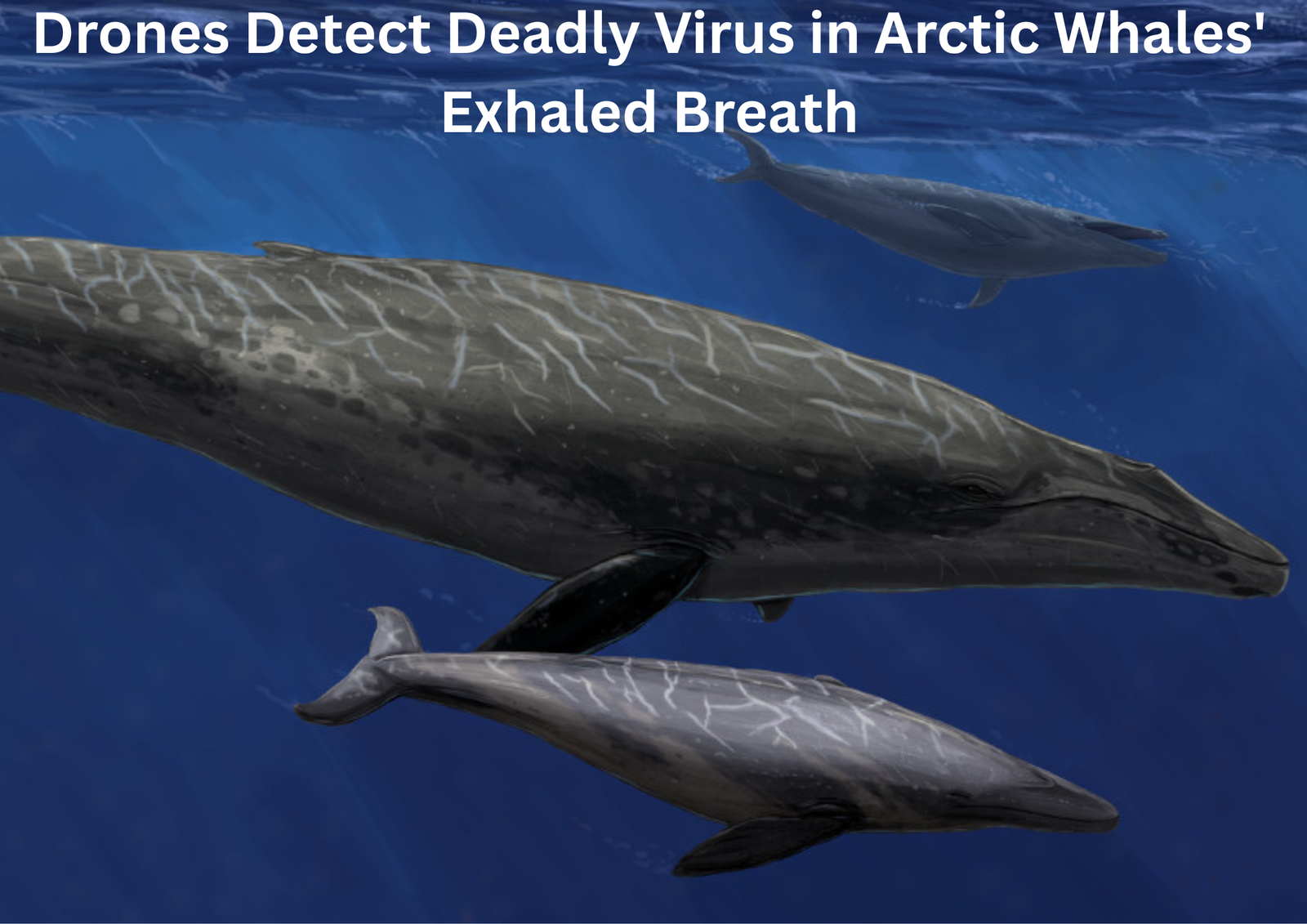
An international research team monitored several whale species, including humpback, sperm, and fin whales, by flying small drones through the mist released from their blowholes. This mist, commonly referred to as whale “blow,” contains biological material that can reveal important information about an animal’s health. The study highlights how emerging technology is reshaping wildlife disease surveillance.
The virus detected is cetacean morbillivirus, a highly infectious pathogen known to cause large-scale die-offs among whales and dolphins in other parts of the world. It can severely damage respiratory and nervous systems and weaken immune responses, often leaving animals vulnerable to secondary infections. Until now, the virus had not been documented in Arctic whale populations.
Researchers collected samples over multiple years across the Northeast Atlantic, including waters near northern Norway and surrounding regions. The virus was identified in both healthy-appearing whale groups and individuals already showing signs of illness. Genetic analysis suggested the strain closely resembles versions previously found in dolphins, indicating that cross-species transmission is possible.
The study also detected herpes-related viruses in several whale populations across the North Atlantic and parts of the central Atlantic. However, no traces of avian influenza or Brucella bacteria were found, despite both having been linked to marine mammal strandings elsewhere.
Experts say the findings underscore growing concerns about Arctic ecosystems. Rising ocean temperatures are altering migration patterns and bringing species into closer contact than ever before. These shifts may increase the likelihood of disease spread, particularly during seasonal feeding periods when whales gather in large numbers.
Scientists emphasize that long-term monitoring will be essential to understand how climate change, habitat stress, and emerging diseases interact to affect whale health. Non-invasive drone sampling is expected to play a key role in future conservation and research efforts, offering a safer way to study large marine mammals in remote environments.
The research was supported by academic institutions in Europe and Norway and involved collaboration among universities and marine research organizations across multiple countries.