
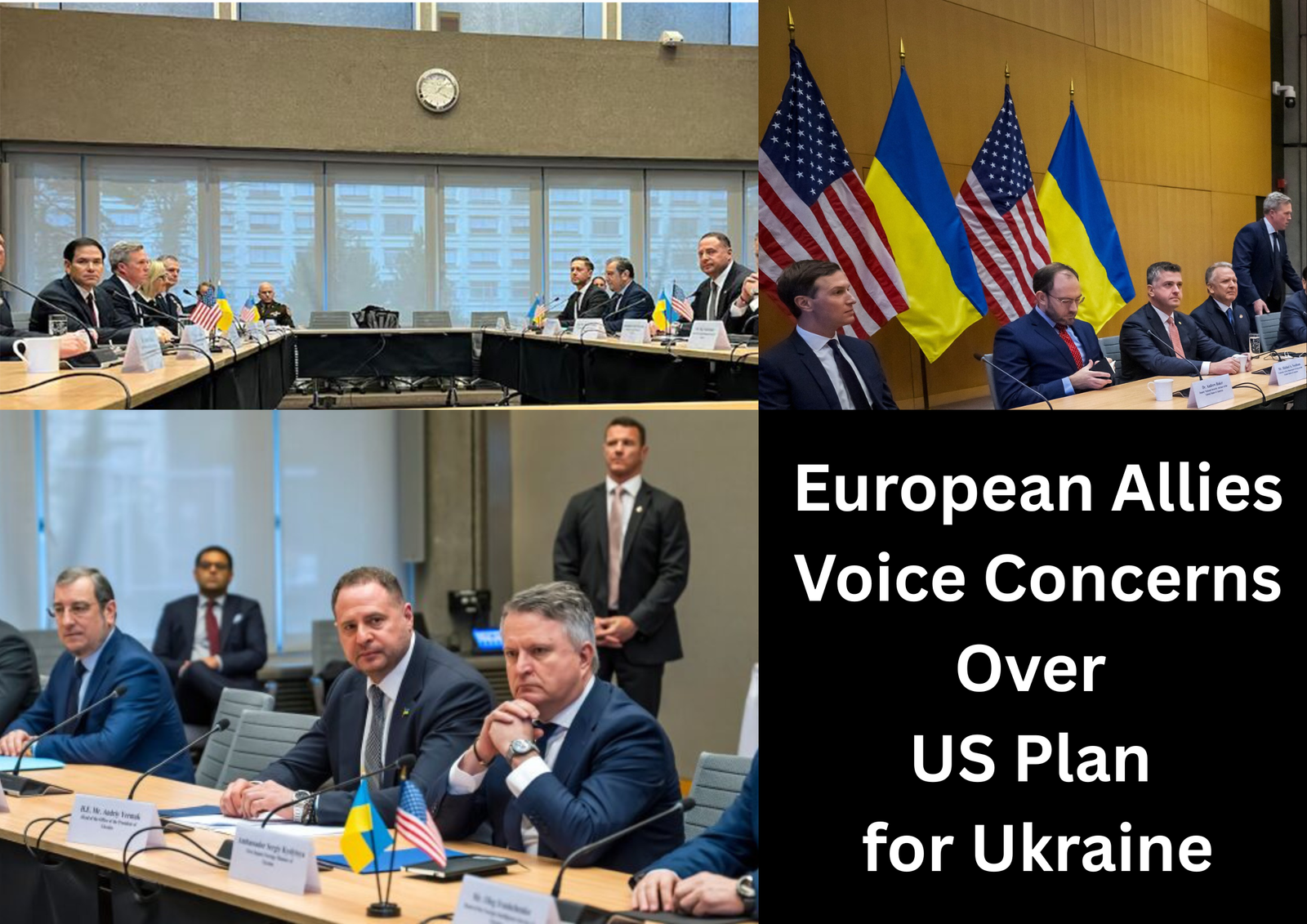
Efforts to advance a new peace framework for Ukraine have exposed sharp disagreements between Washington and key European capitals, as diplomats meeting in Geneva rejected central elements of a US-sponsored proposal. The divisions underscore widening transatlantic tension over how to shape a sustainable end to the conflict.
At the heart of the dispute is a US initiative that includes a ceasefire, negotiations, and a controversial cap on the size of Ukraine’s armed forces. The plan also outlines an early rollback of Western sanctions on Moscow-an idea that European officials say risks rewarding aggression before genuine peace is secured.
The talks were further complicated by recent remarks from US President Donald Trump, who criticized Kyiv for what he called a lack of appreciation and claimed the United States had contributed far more aid than Europe. His comments added political weight to an already sensitive set of negotiations.
European representatives made it clear that any attempt to limit Ukraine’s defense capabilities is unacceptable. Diplomats have repeatedly stressed that Ukraine must retain the ability to protect itself, particularly as long-term regional security remains uncertain. EU officials in Geneva insisted that no peace plan should diminish Ukraine’s military autonomy or reduce its ability to deter future attacks.
In a direct response to the US outline, European negotiators presented a separate proposal. Their plan calls for a significantly higher cap on Ukraine’s force levels than the one suggested by Washington, arguing that a strong Ukrainian military is essential to lasting stability. The counter-proposal also introduces a defined pathway for Ukraine to move toward NATO membership-an element absent from the US framework and one that Kyiv considers vital for its long-term security.
Sanctions policy emerged as another major fault line. While the US proposal connects sanctions relief to progress in peace talks, European nations maintain that penalties on Russia should remain in place until a final, fully implemented agreement is reached. According to EU officials, premature easing of sanctions would undermine diplomatic leverage and weaken the incentives for Russia to comply.
Despite extensive discussions, the Geneva meeting ended without major breakthroughs. What did emerge was a clearer picture of the divide between the US and its European partners, who believe the current American proposal places too many constraints on Ukraine and does not offer enough long-term security assurances.
Diplomats from both sides expect negotiations to continue in the coming weeks, though officials acknowledged that reconciling the two visions may require significant adjustments. With the conflict showing no signs of immediate resolution, the challenge now lies in crafting a unified Western position capable of winning support from Kyiv while maintaining strategic pressure on Moscow.


